By Jaspreet Kalra
MUMBAI, April 9 (Reuters) – The Indian rupee fell modestly on Thursday as concerns over the longevity of the U.S.-Iran truce pushed oil prices higher, denting local stocks and bonds and weighing on risk assets globally.
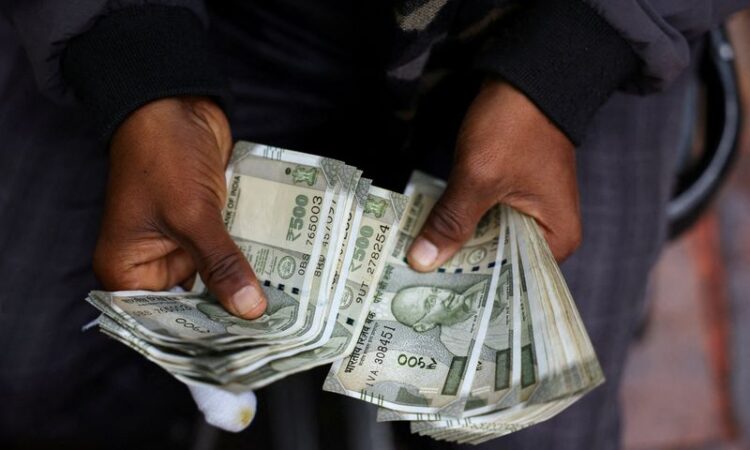
The rupee closed at 92.6575 against the U.S. dollar, down 0.1% on the day.
Indian shares fell about 1% while the yield on the 10-year benchmark bond rose nearly 6 basis points. Regional stocks and currencies were also under pressure, with MSCI’s gauge of Asian stocks down nearly 1%.
Israel bombed targets in Lebanon on Thursday, putting the Middle East ceasefire in further jeopardy after its biggest attacks of the war on its neighbour killed more than 250 people, threatening to derail the truce from the outset.
Iranian negotiators are currently slated to meet a delegation led by U.S. Vice President JD Vance on Saturday for the first peace talks of the war.
“The situation remains highly uncertain and that small bouts of re‑escalation are still possible even if the conflict moves towards a broader resolution,” ING said in a note.
“Evidence that traffic through the Strait of Hormuz is picking up could add pressure on the dollar, but a more durable move would likely require signs that the ceasefire evolves towards a lasting arrangement.”
Brent crude oil futures rose nearly 3% to $97.5 per barrel after touching a near one-month low of $90 per barrel after the ceasefire was announced.
Traders say that while recent central bank measures to curb rupee volatility have helped the currency rebound from a record low past the 95-to-the-dollar handle, elevated energy prices and weak capital inflows mean the depreciation bias could sustain.
Foreign investors have net sold nearly $20 billion of Indian stocks and bonds over March and April so far.
(Reporting by Jaspreet Kalra; Editing by Ronojoy Mazumdar, Rashmi Aich and Mrigank Dhaniwala)