Sustained FII outflows mount pressure on the rupee as investors await India-US trade deal update- The Week
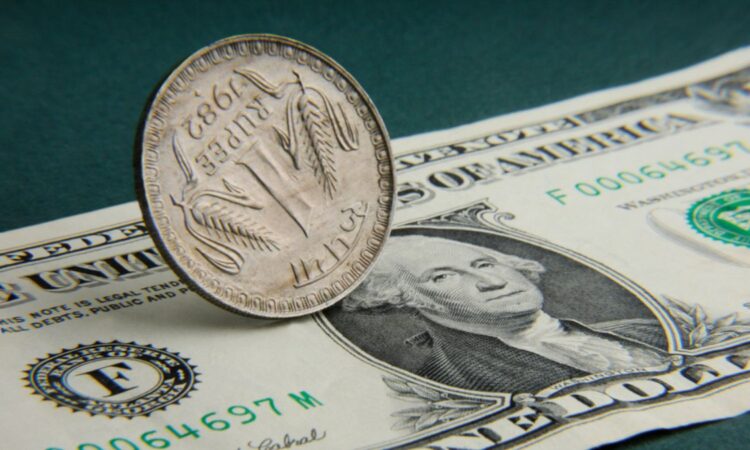
India’s rupee has been on a slippery slope against the US dollar, with the local currency touching a record low of 89.66 last week, before it recovered on Monday morning to around 89.17 after a likely intervention by the Reserve Bank of India.
The rupee has continued to depreciate through 2025 and has been among the weakest currencies in Asia this year. It has declined around 4.5 per cent against the US dollar this year, even as India’s economic fundamentals have been strong and it has been among the fastest-growing major economies.
What’s driving the weakness in the rupee then? Continued geopolitical tensions have weighed on foreign investor sentiments.
Geopolitics and trade deficit
More importantly, the higher 50 per cent tariffs levied by the US administration on India hurt India’s exports to the region, and that is also adding to the woes. Between May and September, India’s exports to the US plunged 37.5 per cent, according to GTRI. India’s overall exports have shown some uptick, though, as it explores newer markets amid the decline in US exports.
The share of India’s merchandise exports to the US has been declining since July, with marine products down to 15 per cent in September from 20 per cent in financial year 2025, precious and semi-precious stones down 6 per cent in September from 37 per cent last year ready made cotton garments down to 29 per cent from 34 per cent in the same period, according to a report by SBI’s research department. It is expected to have a trade deficit of $330 billion this year.
Yes Bank economists see India’s trade deficit in the current financial year at $339 billion, compared with $287 billion last year.
Amid the global uncertainties, foreign institutional investors have continued to pull out money from India’s equity markets. So far this month, up to November 21, they have sold equity worth Rs 3,788 crore, according to data from NSDL. Overall, in 2025, foreign portfolio investors have net sold close to Rs 1.44 lakh crore ($16.4 billion) from India’s equity markets. In 2024, FPI equity inflows were marginally positive at Rs 427 crore ($124 million).
Amid this sell-off, Rahul Kalantri, VP commodities at Mehta Equities, sees the rupee weakening further towards 90.40-91 levels.
Union Bank, in a recent report, also forecast the rupee to continue to weaken towards the 90 to the dollar mark.
India and the United States have been negotiating a bilateral trade deal for some time now. All eyes are on that. Any positive developments there could re-fuel some rebound in FPI lows and could drive some appreciation in the rupee to around 88 levels, say experts, although that may be short-lived, unless capital flows sustain.
“The US currently levies the highest tariffs on India among Asian nations. Meanwhile, improving US-China trade relations is eroding India’s relative advantage. Delays in finalising a trade agreement between India and the US are dampening sentiment,” said Jigar Trivedi, senior research analyst at Reliance Securities.
Union Bank also said that any concrete progress on the trade deal and if there are sustained inflows into equity markets, could lead to the rupee appreciating towards the 87.80 mark.
Rising gold import is another trigger for the pressure on the rupee. India meets much of its gold requirement through imports. In October, imports of the precious metal almost tripled to $14.7 billion.