Stock Market Today (LIVE): The Reality of Investing in 2026; Roblox Takes Aim at Brand Deal Pricing

📌 Top story — scroll down for more updates
The Reality of Investing in 2026
5:24 pm
The war in Iran doesn’t seem to be slowing down and that’s impacting oil prices today, but it’s just the beginning. Economic spending is next and higher costs could hit many industries, which will have lasting impacts for years. We talk about what we can learn about the history of oil prices and war and how we’re investing through it all.
Travis Hoium, Lou Whiteman, and Jon Quast discuss:
- War in Iran and how it impacts markets
- Are there safe havens?
- Picking a stock market Final 4
- Stocks on their radar
🎧 The Motley Fool Money podcast drops daily after the bell! Listen on Apple Podcasts, Spotify, or other podcast platforms—or check out the Fool’s podcast feed.

Roblox’s Next Growth Engine: Ads
4:36 pm — RBLX -0.97% today
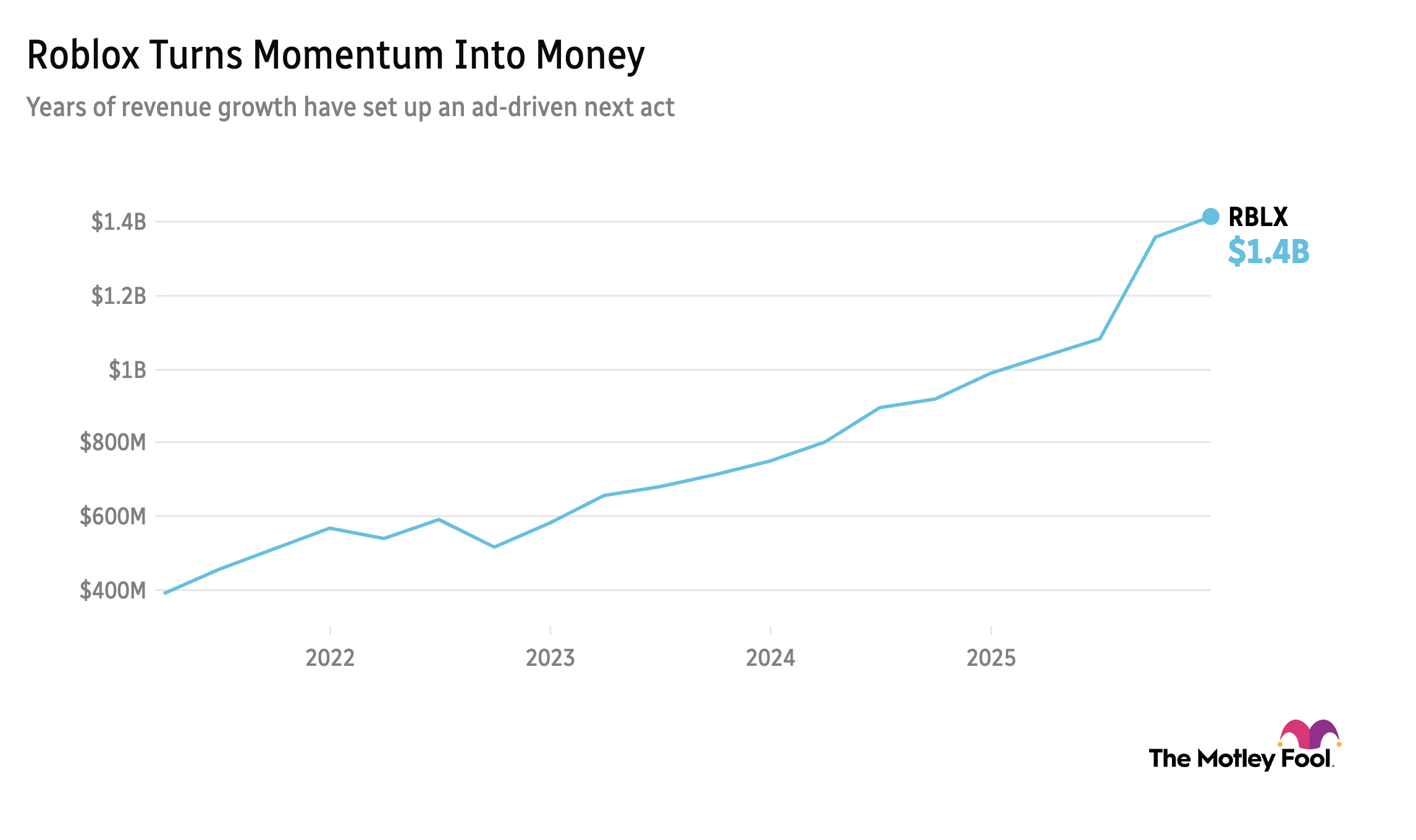
Roblox (RBLX 0.97%) plans to take a share of revenue from in-game brand deals starting in 2027, part of a broader ad-policy overhaul aimed at scaling its advertising business. Management says the shift will standardize pricing and measurement, replacing flat-fee deals that limit creator earnings. The move builds on Roblox’s push beyond gaming into commerce and ads, including prior partnerships with Alphabet (GOOG 2.25%). New rules will also require creators to register and label ads, with tighter restrictions for users under 13.
- From flat fees to scaled media: Roblox is trying to price ads more like traditional platforms, which could improve monetization and attract larger brand budgets.
- Guardrails for younger users: Certain ad categories and rewarded formats will be restricted for under-13 users, signaling a tighter compliance and moderation framework.
Closing Bell
4:05 pm
U.S. stocks sold off sharply as Middle East escalation pushed oil higher and revived inflation fears. The Nasdaq fell more than 2%, nearing correction territory, while the S&P 500 and Dow logged a fourth straight weekly loss. Oil surged, with Brent topping $120, as supply risks grew; meanwhile, rising Treasury yields reflected a sudden shift in rate expectations, with traders now pricing in a higher chance of Fed hikes. Tech leaders like Nvidia (NVDA 3.17%) and Tesla (TSLA 3.33%) led declines as investors reassessed risk in a higher-rate, higher-energy-cost environment.
- Oil Shock Rewrites the Script: Crude’s surge raises input costs and complicates the Fed’s path, tightening financial conditions quickly.
- Corrections Creep Closer: Small caps are already there, and large-cap indexes are edging toward it as volatility resets expectations. A “correction” is typically defined as a decline of 10% or more from a recent peak, a common pullback that resets expectations without necessarily signaling a deeper bear market.
Honeywell Drops on $7.6B Debt Move
3:46 pm — HON -3.40%
Honeywell (HON 3.29%) fell on Friday after detailing plans to redeem about $7.6 billion of debt following a recent $16 billion issuance tied to its planned spinoffs. The move extends maturities more than it reduces leverage, drawing investor scrutiny as rates remain uncertain. Honeywell is a recent rec in Quantum Leap, where it’s labeled a “Cautious” stock in the Team Rule Breakers sleeve; since the October pick, shares are up 17%—about 19 percentage points ahead of the S&P 500.
- Breakup in motion: Balance sheet moves reflect prep work for separating businesses—key to surfacing the value of Honeywell’s quantum stake. The Quantum Leap analysts argue that the anticipated breakup is “essential to realizing full value,” particularly to unlock Quantinuum.
- Execution versus timing: Refinancing now raises questions about flexibility as Honeywell approaches potential spinoffs and a future Quantinuum exit. The concern sending shares down likely isn’t the move itself; it’s whether locking in debt now helps or hinders Honeywell’s ability to spin off assets at the right moment.
The Pipes Powering AI Are Sold Out—But…
2:52 pm — LITE -10.19%

By Seth Jayson
Team Rule Breakers
This week, Lumentum (LITE 8.52%) got added to the S&P 500, closed a new multibillion-dollar OCS deal with a hyperscaler on March 17th, and the stock ripped something like 20% over two days. That’s a lot of events to show up at once. And then the “what have you done for me lately” set in, and it dropped 10 on Friday. For a company that’s been quietly becoming load-bearing infrastructure for AI data centers — selling the optical switches and lasers that let these things actually talk to each other — it’s a reasonable week. The CEO says they’re sold out of products through 2027. That’s either a very good problem or a very interesting one to watch.
Beef Up 48% Sends Margins Down
2:17 pm — CMG +1.00%
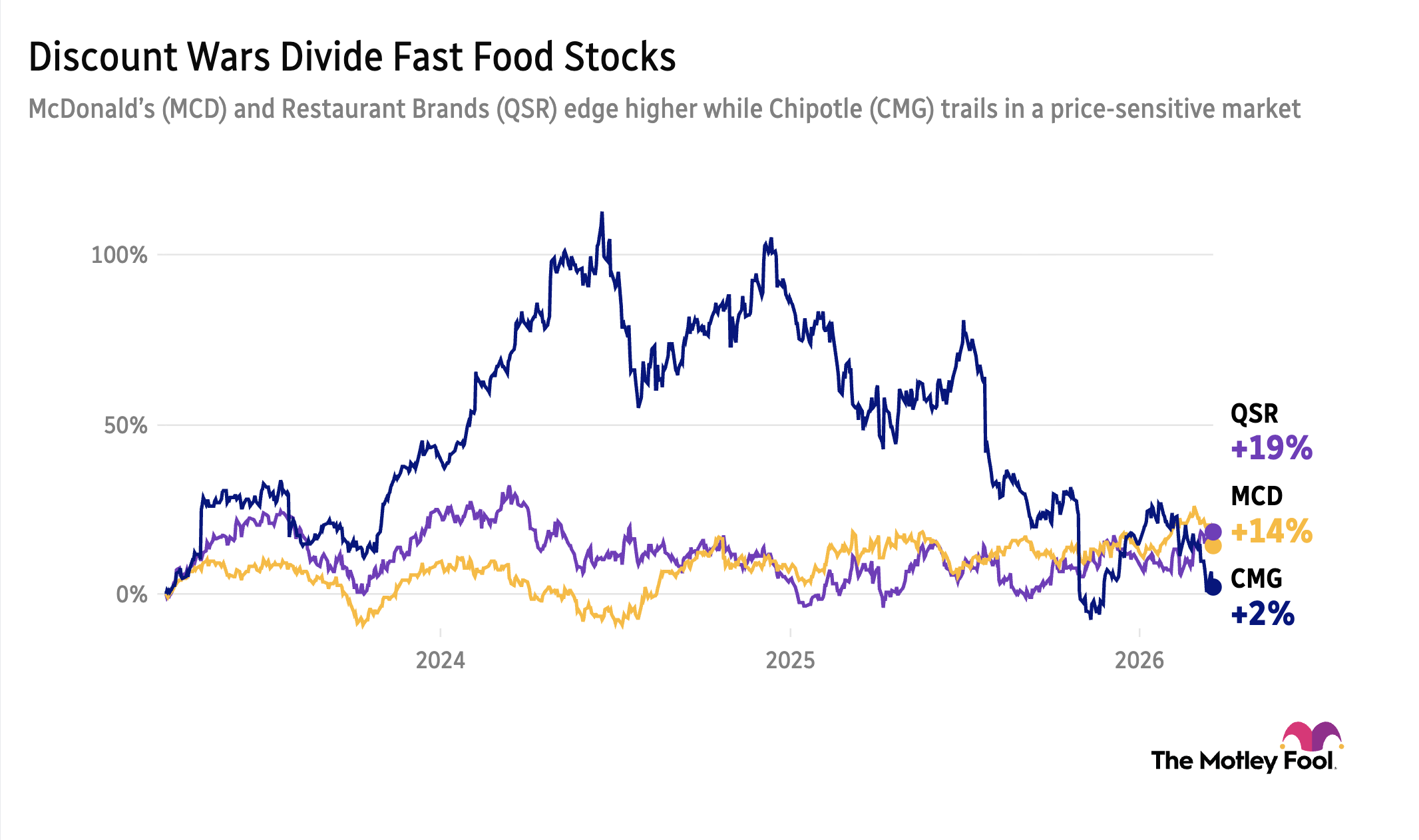
Burger chains like McDonald’s (MCD 0.24%) and Restaurant Brands (QSR 0.47%) are leaning into discounts even as beef costs surge 48% year over year, tightening already thin margins. Industry profitability averaged just 4% last year, and heavier promotions risk further erosion as traffic softens and value-seeking customers dominate. Promotions have nearly tripled vs. 2019 levels, signaling demand pressure and intensifying competition for price-sensitive customers. McDonald’s is rolling out a new $3 menu, while peers double down on deals to defend share, even as herd reductions keep beef prices elevated. For contrast, Chipotle (CMG +1.29%)—with a different menu mix and pricing power—faces less direct exposure to the burger discount war.
- Category Under Strain: Burger chains still lead U.S. fast food, but slower growth and store closures contrast with faster-growing chicken and fast-casual players.
- Burritos Dodge the Burger Trap: Chipotle still faces beef inflation, but its multi-protein menu and pricing flexibility reduce reliance on heavy discounting, helping sustain stronger restaurant-level margins than burger peers.
Buyers Gain an Edge as Homes Sit Longer
1:05 pm
The spring housing market is wilting as the 30-year fixed mortgage rate surged to 6.53% on Friday, the highest level since September 2025. While the Federal Reserve was expected to cut rates, the Iran conflict has spiked oil prices and reignited inflation fears. Active inventory rose 5.6% year-over-year, not due to a flood of new listings — which fell 1.4% — but because buyers are retreating. This stagnation is pressuring homebuilders like D.R. Horton (DHI 3.60%) and Lennar (LEN 3.38%), as nearly two-thirds of builders now offer price cuts or incentives to move a 9.7-month supply of unsold new homes.
- The Regional Great Divide: While overvalued hubs like Las Vegas and Seattle see inventory skyrocket over 20%, supply-starved markets in the Northeast continue to see price appreciation despite the national slowdown.
- The Builder’s Margin Squeeze: Escalating costs for land and labor, combined with the necessity of sales incentives, are creating a double-edged sword for construction firms struggling to maintain profitability in an uninspired market.
Today’s Lunchtime News
1:00 pm — NVDA -1.6%
Two Democratic senators sent Nvidia (NVDA 3.17%) CEO Jensen Huang a letter Thursday asking whether the company’s $20 billion licensing deal with AI start-up Groq was deliberately structured to avoid antitrust review. Senators Elizabeth Warren and Richard Blumenthal called the arrangement a potential attempt to “evade scrutiny by antitrust regulators” and consolidate Nvidia’s dominance in AI chips.
- Nvidia pushes back: The company says it did not acquire Groq, which remains a separate business, and that it purchased only a nonexclusive license to Groq’s technology while hiring some of its engineering talent. The deal, sealed at end of 2025, did not trigger a mandatory antitrust filing, following a pattern seen in similar licensing arrangements by Amazon (AMZN 1.66%), Microsoft (MSFT 1.92%), and Alphabet (GOOG 2.25%) in recent years.
- Broader scrutiny: FTC Chair Andrew Ferguson said in January that his agency is examining exactly these kinds of licensing and talent acquisition deals as a potential antitrust loophole. The senators’ letter adds political pressure to that regulatory attention at a moment when Nvidia’s market dominance in AI computing is already drawing close scrutiny.
Can China Save Apple From Its AI Slump?
12:25 pm — AAPL -0.1%
Apple (AAPL 0.38%) CEO Tim Cook is navigating a high-stakes China tour as the iPhone 17 fuels a 23% sales surge, despite a 4% decline in the broader Chinese smartphone market. To placate local regulators, Apple recently cut its App Store commission in China to 25%. While the stock has dropped 8% this year, the company is finding an unexpected growth lever in artificial intelligence; Apple is on track to clear $1 billion in AI revenue by taking a 30% “toll” on third-party chatbot subscriptions like ChatGPT. This high-margin services growth helps offset the departure of key AI talent to rivals like Microsoft (MSFT 1.92%).
- The Silent AI Winner: Apple is effectively monetizing the AI boom without a frontier model of its own, capturing roughly $900 million in fees from generative AI apps in 2025 alone.
- Subsidy-Driven Dominance: Strategic government trade-in credits and aggressive retail promotions have allowed the iPhone 17 to gain significant market share while Android competitors struggle with rising memory costs.
AAPL performance
Today -0.1%
1 Year +15.8%
5 Years +101.0%
MSFT performance
Today -1.0%
1 Year +0.5%
5 Years +64.9%
Pinterest CEO Targets Youth Social Media
11:30 am — PINS +1.1%
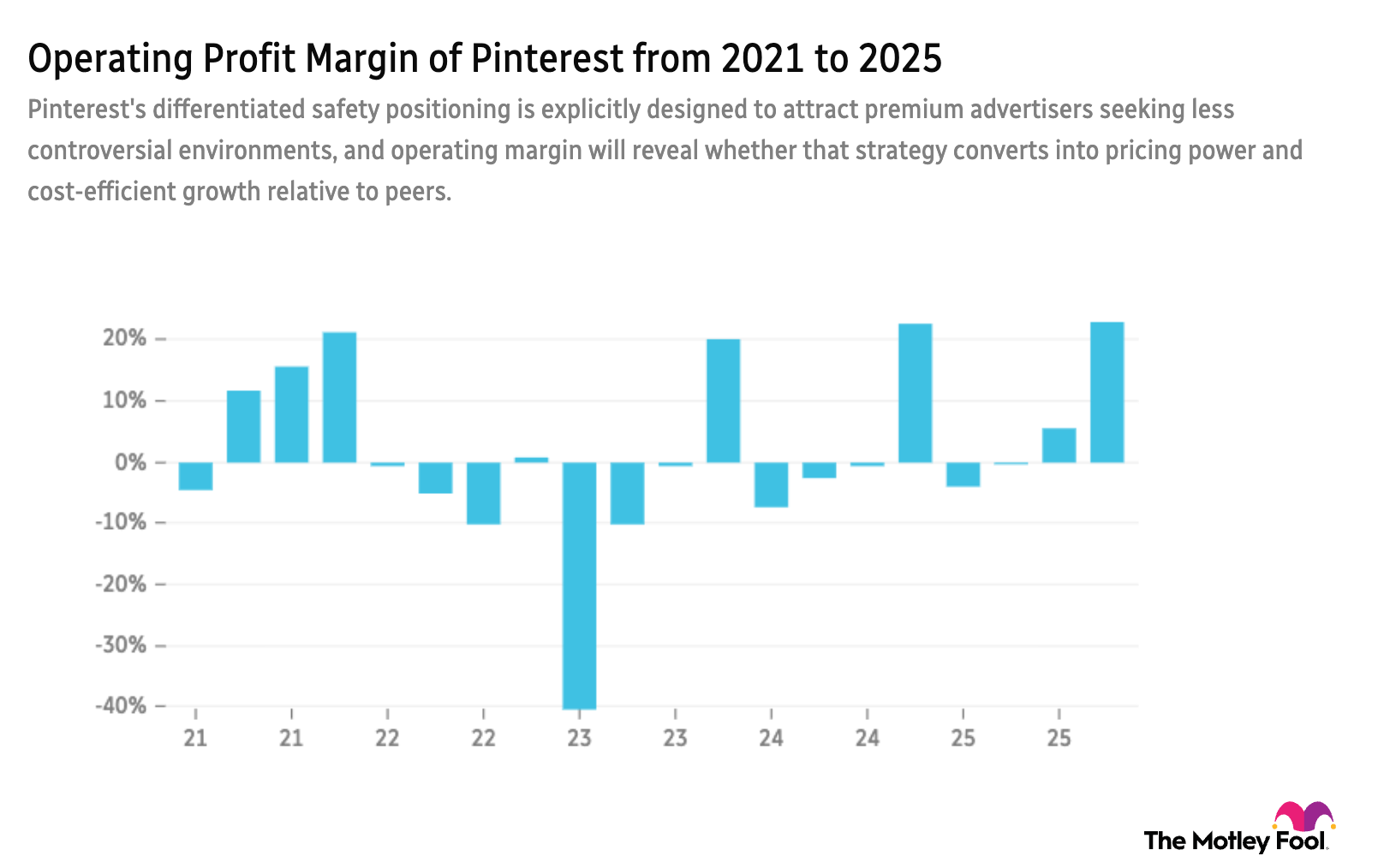
Pinterest (PINS +0.43%) CEO Bill Ready is breaking rank with Silicon Valley, calling for a global ban on social media for users under 16. In a Friday essay, Ready labeled the industry “New Big Tobacco,” arguing that self-regulation has failed to stop rising teen anxiety. He urged world leaders to follow Australia’s lead by enforcing age limits through mobile operating systems managed by Apple (AAPL 0.38%) and Alphabet (GOOG 2.25%). While competitors like Meta Platforms (META 2.11%) often resist such mandates, Pinterest is leveraging its “safety-first” reputation—noting that Gen Z already comprises 50% of its user base—to attract advertisers seeking a less toxic environment.
- Shifting Regulatory Burdens: Ready advocates for app store-level verification, effectively moving the policing responsibility from individual apps to the platform gatekeepers at the device level.
- The “Brand Safety” Play: By leaning into restrictive youth policies, Pinterest aims to de-risk its platform for long-term investors while insulating itself from the litigation currently hammering traditional social networks.
Nexstar Closes $6.2B Tegna Merger
11:10 am — NXST +2.9%
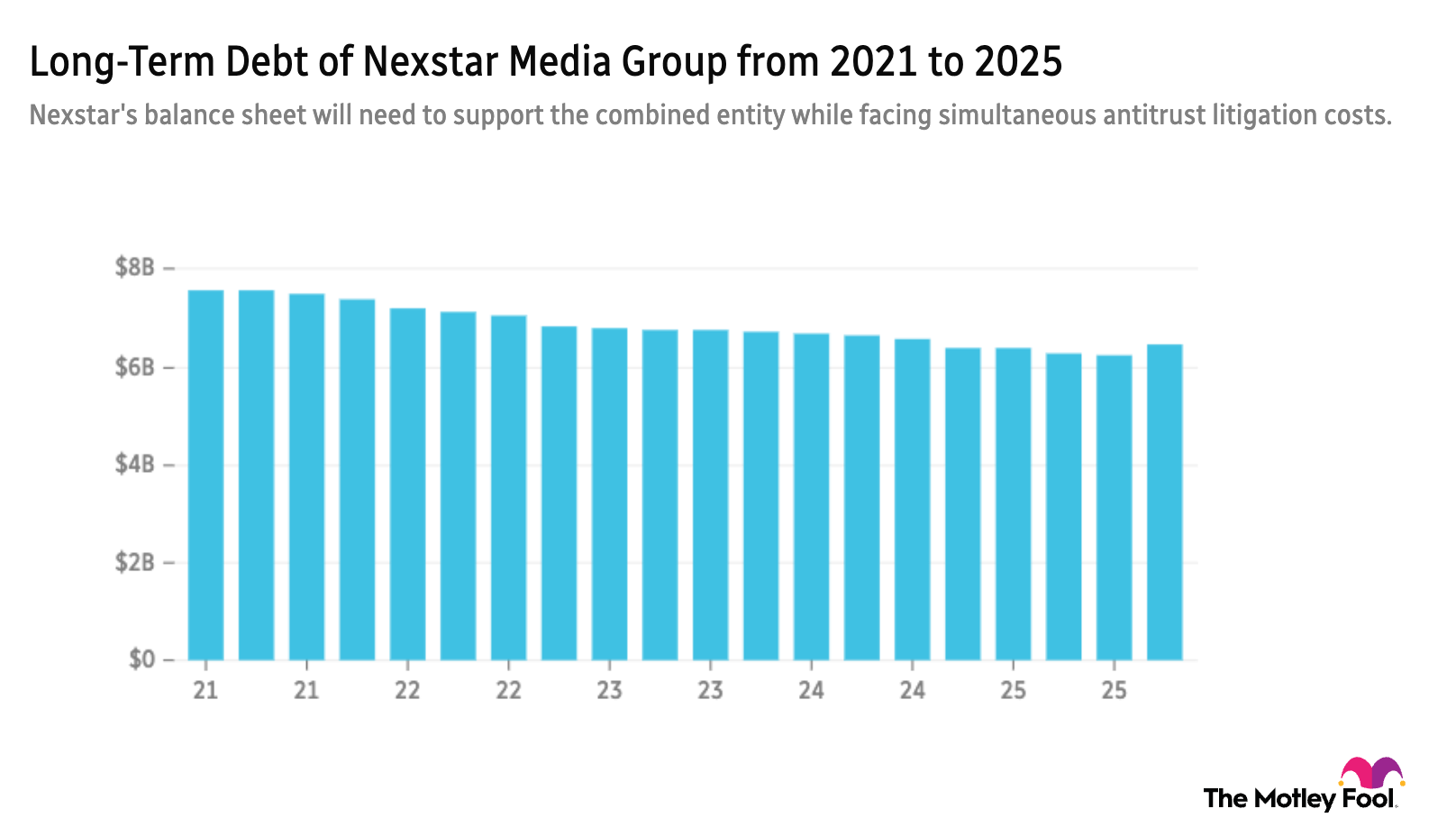
Nexstar Media Group (NXST +1.69%) officially closed its $6.2 billion acquisition of Tegna on Friday, creating a broadcast titan with over 260 local stations. The deal received rare FCC and DOJ waivers to bypass the 39% national household reach cap, a move praised by CEO Perry Sook as vital for local journalism’s survival against streaming. However, the victory faces immediate peril from federal antitrust lawsuits filed by eight states and DirecTV. Critics argue the consolidation grants Nexstar excessive leverage to hike retransmission fees, potentially leading to consumer price increases and frequent station blackouts during carriage disputes.
- Bypassing Historical Barriers: Federal regulators signaled a major policy shift by allowing Nexstar to exceed decades-old ownership limits, potentially opening the floodgates for further industry consolidation.
- The Retransmission Revenue War: DirecTV’s legal challenge highlights fears that Nexstar will use its expanded footprint to demand higher fees from distributors, a move that could pad the bottom line but alienate price-sensitive satellite subscribers.
Nvidia’s New Perk: AI Token Bonuses
10:35 am — NVDA -1.5%
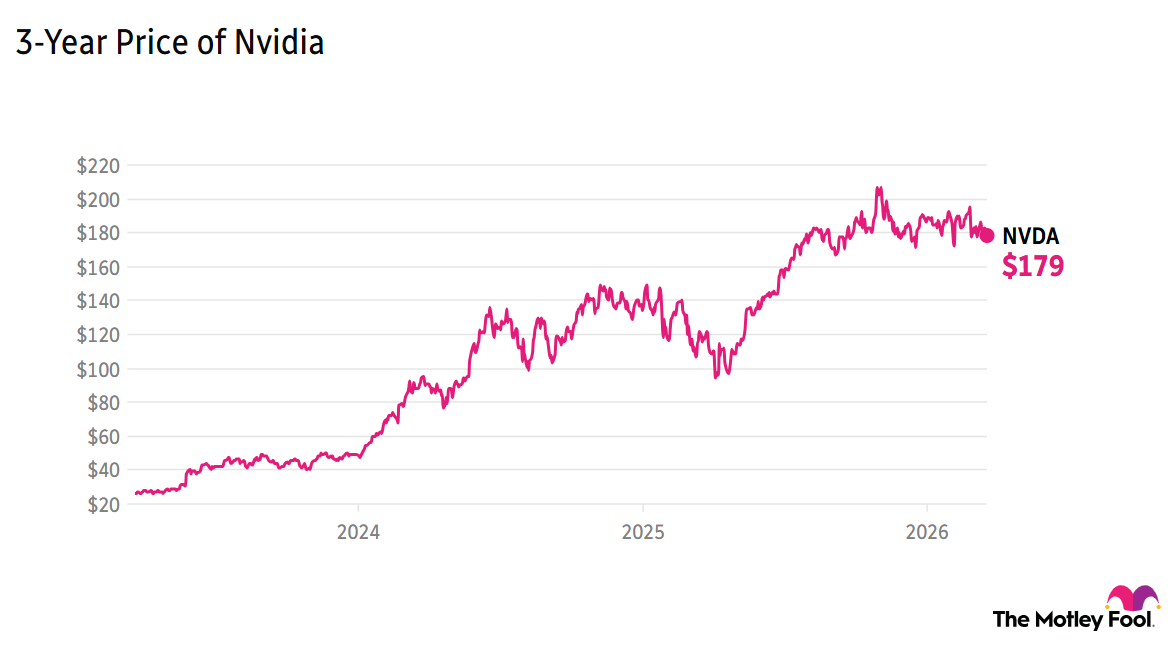
Nvidia (NVDA 3.17%) CEO Jensen Huang is reimagining compensation by proposing “AI tokens” as a primary recruiting tool. Huang suggests giving engineers a token budget—potentially equaling half their base salary—to deploy autonomous AI agents as productivity multipliers. While Nvidia employs 42,000 humans, Huang expects to eventually manage “hundreds of thousands” of digital workers. This shift reflects a broader bet that agentic AI will not decrease software demand but rather become its most voracious consumer, requiring massive amounts of underlying infrastructure. Despite the optimism, the transition remains a “talent paradox” as executives scramble to find AI-literate workers while simultaneously planning for future headcount reductions.
- Software’s New Customer: Instead of human coders, AI agents are becoming the primary users of Python and C-compilers, potentially sparking a multi-trillion dollar market for automated software consumption.
- The Entry-Level Cliff: Critics warn that as agents take over data processing and drafting, the traditional “stepping-stone” tasks for junior employees may vanish, fundamentally breaking the corporate training pipeline.\

Today’s Change
(-3.17%) $-5.66
Current Price
$172.90
Key Data Points
Market Cap
$4.2T
Day’s Range
$171.73 – $178.11
52wk Range
$86.62 – $212.19
Volume
6.5M
Avg Vol
174M
Gross Margin
71.07%
Dividend Yield
0.02%
Opening Bell
9:35 am
The S&P 500 and Nasdaq fell Friday, tracking toward their fourth consecutive losing week as Brent crude surged to $110. While Israel’s leadership suggests the Iran conflict could conclude faster than feared, some analysts warn that market stability hinges entirely on reopening the Strait of Hormuz. Adding to the friction, today’s “quadruple witching” event — the simultaneous expiration of trillions in derivatives — is expected to amplify intraday swings. Despite the Dow nearing correction territory, some analysts argue equities haven’t yet priced in the 2% hit to household purchasing power caused by the energy shock.
Amazon’s “Fire Phone” Rises from the Ashes
8:30 am — AMZN -0.51% in pre-market trading
Amazon (AMZN 1.66%) is reportedly taking a second shot at the smartphone market with a secretive new project codenamed “Transformer.” Developing within its devices and services unit, the device aims to succeed where the 2014 Fire Phone failed by focusing on deep “mobile personalization” and seamless synchronization with Alexa. Unlike its predecessor, which prioritized shopping, Transformer is designed as a ubiquitous AI assistant–a “Star Trek” style conduit intended to capture the high-value mobile user data currently controlled by Apple (AAPL 0.38%) and Alphabet (GOOG 2.25%). While internal sources caution the project remains subject to financial shifting, the initiative signals Jeff Bezos’ refusal to cede the primary gateway of the digital “everything store” to rival operating systems.
- The Data Moat: By owning the hardware, Amazon can integrate Prime benefits and purchase history into a local AI agent, bypassing the privacy restrictions third-party platforms have placed on its apps.
- Alexa’s Final Form: Transformer represents a critical pivot for the Alexa ecosystem; by moving the voice assistant from a stationary kitchen speaker to a mobile device, Amazon ensures its AI remains relevant in an increasingly “on-the-go” generative AI landscape.

Today’s Change
(-1.66%) $-3.47
Current Price
$205.29
Key Data Points
Market Cap
$2.2T
Day’s Range
$204.32 – $207.56
52wk Range
$161.38 – $258.60
Volume
2.2M
Avg Vol
48M
Gross Margin
50.29%
AI Chip Smuggling Scandal Rocks Server Ecosystem
8:15 am — SMCI -25.50%, NVDA -0.57% in pre-market trading
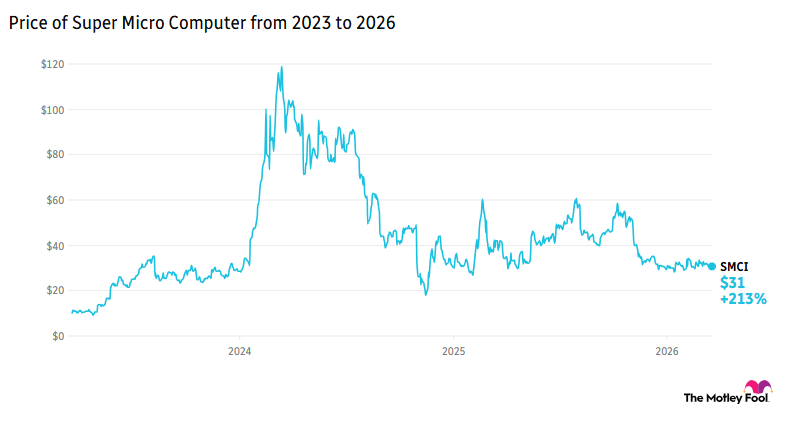
Super Micro Computer (SMCI 33.18%) is reeling after its co-founder, Wally Liaw, was charged in a $2.5 billion scheme to smuggle high-end Nvidia (NVDA 3.17%) AI servers to China. Federal prosecutors allege Liaw and other insiders used a “pass-through” entity in Southeast Asia to ship restricted hardware in unmarked boxes, bypassing strict U.S. export controls. While Supermicro itself is not named as a defendant, shares tumbled as the indictment revealed the illicit entity had become one of the company’s largest customers, accounting for nearly $100 million in quarterly revenue. The scandal puts a harsh spotlight on the “server partner” ecosystem, raising fears that regulators may tighten oversight on how Nvidia chips are distributed globally.
- Compliance Crisis: This probe reignites transparency concerns for Supermicro, which only recently emerged from a 2024 auditing scandal that forced a change in its financial leadership.
- Nvidia’s “Losing Proposition”: While Nvidia maintains it does not support diverted systems, the sheer scale of the $2.5 billion bypass undermines industry claims that large-scale smuggling is non-existent, potentially inviting more aggressive federal audits.
This Morning’s Breakfast News
7:30 am — TSLA -0.62% in pre-market trading
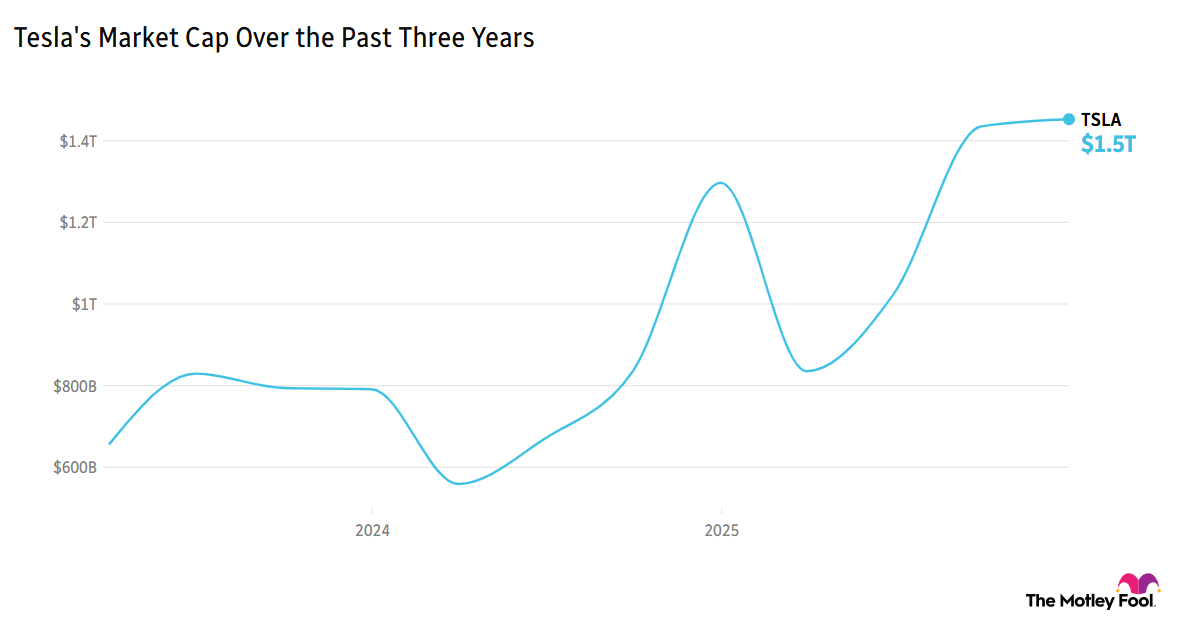
Reuters reports Tesla (TSLA 3.33%) is looking to buy Chinese-made solar equipment worth $2.9 billion in a bid to boost solar power capacity for Tesla and CEO Elon Musk’s related companies, a clear signal of intent for renewable energy.
- Aiming for 100 gigawatts of solar capacity by 2028: As of 2024, only 10% – or 135 gigawatts – of total U.S. capacity was solar-powered. The push by Tesla could trigger regulatory concern, given the U.S. government’s desire to reduce reliance on Chinese companies.
- Pilot tests of trucking model Semi are well received: Tesla is poised to rollout deliveries of its Semi truck this summer, with the WSJ reporting positive feedback from truckers around the centered driving position, faster charging, and 500-mile range. Tesla is recommended by both Team Hidden Gems and Team Rule Breakers, with the stock beating the S&P 500 by 74% since the Stock Advisor rec by Team Hidden Gems in May 2023.
McCormick Targets Unilever’s Food Division
7:00 am — MKC +0.20%, UL +0.93% in pre-market trading
Unilever (UL 0.05%) is in talks to sell its massive food division to spice giant McCormick & Co. (MKC 1.39%) in a deal that could be valued at up to $37 billion. The move would mark the final step in a decade-long transformation for the FTSE 100 company, allowing it to exit slower-growth categories like Hellmann’s mayonnaise, Marmite, and Pot Noodle to focus entirely on high-margin beauty and personal care. McCormick, which is expected to fund the acquisition through a mix of stock and cash, would instantly become a global pantry powerhouse. Analysts at Jefferies suggest the divested unit carries an enterprise value of roughly 9.5 times EBITDA, providing Unilever with a massive cash pile to fuel further acquisitions in the premium skincare and wellness sectors.
- Strategic Slimdown: By carving out foods following its previous sales of tea and ice cream units, Unilever is betting that a “pure-play” beauty portfolio will command a higher valuation multiple from investors.
- Spice Giant Scales Up: For McCormick, the acquisition offers a rare opportunity to dominate the “center of the aisle” by pairing its market-leading seasonings with some of the world’s most recognizable condiment brands.

Today’s Change
(-1.39%) $-0.75
Current Price
$53.30
Key Data Points
Market Cap
$14B
Day’s Range
$52.69 – $54.23
52wk Range
$52.63 – $83.15
Volume
426K
Avg Vol
3.7M
Gross Margin
37.90%
Dividend Yield
3.44%
Amazon Acquires Rivr to Crack Last-Mile Delivery
6:45 am — AMZN -0.80% in pre-market trading
Amazon (AMZN 1.66%) has quietly acquired Swiss robotics start-up Rivr to solve the “final 100 yards” of logistics. Rivr’s unique hardware–a four-legged robot on wheels often described as a “dog on roller skates”–can autonomously climb stairs and navigate curbs, obstacles that grounded Amazon’s previous “Scout” sidewalk bots. While terms weren’t disclosed, Rivr was recently valued at $100 million and had been a standout in the Amazon Industrial Innovation Fund. This move coincides with reports that Amazon founder Jeff Bezos is separately seeking to raise $100 billion for a “manufacturing transformation” fund. That vehicle aims to acquire industrial firms in aerospace and chipmaking to radically automate them using “physical AI” developed by his new start-up, Project Prometheus.
- Last-Mile Margin Play: By automating the trek from the van to the doorstep, Amazon aims to slash the high labor costs of its third-party delivery network while improving safety metrics.
- Bezos’s $100B Shadow: The founder’s parallel interest in “Physical AI” suggests a broader strategic shift toward replacing human intervention in complex physical tasks across the entire global supply chain.
Top of the Morning
6:30 am

By Morning Show host Jim Mueller, CFA
Team Rule Breakers
Whenever something big happens in the world, the markets will react. Heck, it doesn’t even have to be a big event if it catches the imagination (and fears) of Wall Street and Main Street.
Today, it’s obviously the U.S. and Israeli war against Iran, and Iran’s response. This is affecting oil. (It’s the Mideast, remember, everything there affect oil.) Oil prices have spiked and everyone’s trying to come to terms with that.
Even more, they’re trying to figure out how to profit from it. Human, all too human.
Higher oil prices will almost certainly lead to higher prices for pretty much everything. Transportation costs, if nothing else, will go up, but petroleum is used all throughout the economy, not just as transportation fuel. That means higher prices and lower margins, right? How should I position my portfolio to avoid the expected pain?
On the other side, where can I put my money to work to make money off this? Oil companies? Pick and shovel oil-related companies? Nuclear or wind or solar companies? (If oil prices stay high, won’t electric cars become more popular, which means other sources of electricity become more in demand?)
Honestly, just slow down people. Prices on a lot of this (if not all of it) have already moved. You now want to sell some stuff that could be hurt at lower prices and buy some stuff that could benefit at higher prices? Isn’t that kinda backward?
ICYMI: Thursday’s Scoreboard
5:45 am — ALAB +0.51% in pre-market trading
Astera Labs (ALAB 8.02%) was the subject of the latest Scoreboard video.
Before the Opening Bell
5:00 am
Stock futures are edging higher Friday morning as investors cling to a tentative de-escalation in the Middle East. While the S&P 500 is still on track for its fourth consecutive weekly decline, sentiment stabilized after Israeli Prime Minister Benjamin Netanyahu claimed Iran’s missile infrastructure has been “decimated,” potentially shortening the war’s timeline. President Trump added to the relief, stating the economic fallout has been “less than expected.” However, the “higher-for-longer” interest rate narrative remains a potent drag; with the Federal Reserve highlighting energy-driven inflation risks, the Dow Jones and Nasdaq Composite both sit roughly 8% below their record highs, teetering on the edge of official correction territory.
- Energy Relief Valve: Brent crude fell below $110 per barrel after Japan and the EU signaled a joint mission to stabilize the Strait of Hormuz, providing a much-needed breather for fuel-heavy sectors like Delta Air Lines (DAL 2.48%).
- AI Data Center Demand: Despite the macro gloom, Meta Platforms (META 2.11%) and Nvidia (NVDA 3.17%) continue to anchor the tech sector as new infrastructure deals in Europe suggest AI spending remains decoupled from the broader geopolitical chaos.