An outcry rang out from prominent figures within hours of reports that the Department of Justice had opened a criminal investigation into Federal Reserve Chair Jerome Powell. All of Powell’s living predecessors atop the Fed, as well as many Wall Street CEOs and members of Congress in both parties voiced alarm.
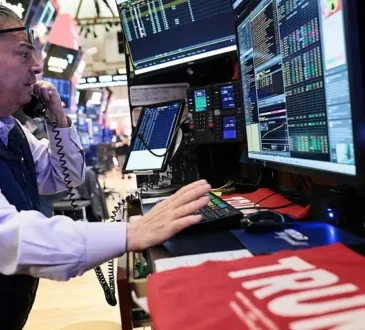
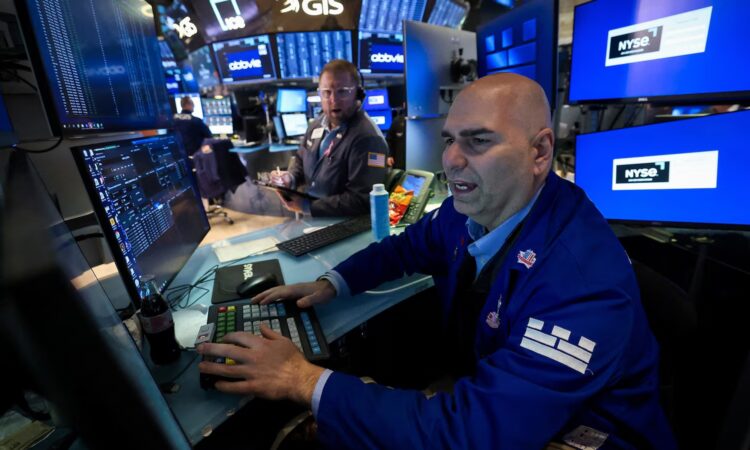
The news, however, elicited little more than a shrug from the stock market.
Stocks even recorded gains on Monday, rallying from a selloff earlier in the day in response to the political bombshell. Stocks were mixed in midday trading on Tuesday, showing no sign of the sharp drop that followed President Donald Trump’s “Liberation Day” tariffs in April.
Since the April announcement, the White House has backed off many of its steepest tariffs and shown little appetite for other policies that risk derailing the nation’s economy, analysts told ABC News. Investors expect a similar posture toward the Powell investigation, they added, saying traders appear to consider the potential loss of central bank independence highly unlikely.
“You have to give these trial balloons a chance to be shot down,” Ed Yardeni, the president of market advisory firm Yardeni Research and former chief investment strategist at Deutsche Bank’s U.S. equities division, told ABC News. “I think that’s what the market is counting on.”
The probe into Powell appeared to center on testimony he made before Congress in June about cost overruns in a multi-billion-dollar office renovation. Powell, who was appointed by Trump in 2017, issued a rare video message rebuking the probe as a politically motivated effort to influence Fed policy.
The investigation follows months of strident criticism leveled at the Fed by Trump, who has urged the central bank to significantly reduce interest rates. Trump denied any involvement in the criminal investigation during a brief interview with NBC News on Sunday night.
In a statement to ABC News, a spokesperson for Attorney General Pam Bondi said, “The Attorney General has instructed her U.S. Attorneys to prioritize investigating any abuse of taxpayer dollars.”
A longstanding norm of independence usually insulates the Fed from direct political interference.
In the event a central bank lacks independence, policymakers tend to favor lower interest rates as a means of boosting short-term economic activity, analysts previously told ABC News. Such a posture could pose a major risk of yearslong inflation fueled by a rise in consumer demand, untethered by interest rates.
“The Federal Reserve’s independence and the public’s perception of that independence are critical for economic performance,” a bipartisan group of economists and former top Fed officials said in a statement on Monday. “The reported criminal inquiry into Federal Reserve Chair Jay Powell is an unprecedented attempt to use prosecutorial attacks to undermine that independence.”

Donald Trump speaks with Federal Reserve chair Jerome Powell (R) as he visits the Federal Reserve in Washington, DC, on July 24, 2025.
Andrew Caballero-reynolds/AFP via Getty Images
A bout of high inflation and economic turmoil in the 1970s and 1980s offers a cautionary tale.
Before the inflation took hold, President Richard Nixon had urged then-Fed Chair Arthur Burns to cut rates in the run-up to the 1972 presidential election. Nixon’s advocacy is widely viewed as contributing to lower-than-necessary interest rates that allowed inflation to get out of control.
Nearly a decade later, in 1981, the Fed raised interest rates as high as 20% in order to bring inflation under control. While the move succeeded in cooling off price hikes, it plunged the U.S. into a recession and sent the unemployment rate to 10%.
Still, Wall Street analysts said stock investors care little about the investigation into Powell because they think a meaningful loss of central bank independence is unlikely.
Sen. Thom Tillis, R-N.C., who could cast a decisive Banking Committee vote on Trump’s appointee to succeed Powell later this year, condemned the investigation and threatened to stonewall a replacement. Some Republican members of Congress also voiced a rare degree of criticism, while others backed the move.
“Investors still have that confidence the Fed will for the foreseeable future keep that independence from outside influence and outside political pressure,” Bret Kenwell, an investing analyst at eToro, told ABC News.
Ivan Feinseth, a market analyst at Tigress Financial, put it succinctly: “Investors don’t think the investigation is going to go anywhere.”
Some analysts said investors had been vindicated for past skepticism about the economic consequences of headline-grabbing news out of Washington, D.C. The stock market recorded stellar year-end returns in 2025, hurtling past tariffs, a government shutdown and Trump’s combative social media posts.
Meanwhile, they said, the economy has proven fairly robust, boosting the outlook for corporate earnings. In the fall, shoppers helped propel the fastest quarterly U.S. economic growth in two years, federal government data last month showed.
“The markets learned from the whole tariff extravaganza that — at the end of the day — it’s all about the resilience of the economy and the resilience of earnings,” Yardeni said. “One of the lessons I’ve learned is not to let politics get in the way of making money in the financial markets.”