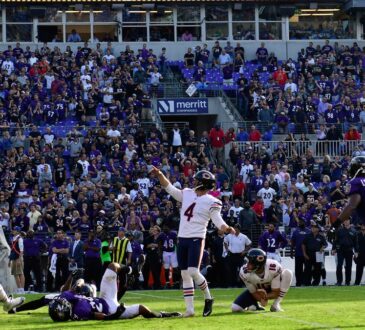
USA PropertyFormer NFL kicker becomes luxury real estate developer with $8.5M mansion1 year agoReal estate and housing: Home sellers outnumber buyers, Redfin says31 of the top 50 metros are buyer’s markets, according to...
USA PropertyTop 15 best real estate markets in US list includes this Florida city1 year agoPresident Trump’s tariffs are affecting homeowners’ insuranceFlorida is one of the most expensive states to insure a home, and now...
USA PropertyWhat’s the average price of a house in Lee County, Florida?1 year agoWhich white bird is which?Southwest Florida is home to an array of large white birds: egrets, ibis, herons, pelicans, and...
USA PropertyWant to buy a house in Arizona? This is a top US city for homebuyers1 year ago6 terms to know before you start house huntingIn the housing market, here are some terms to know before you...
USA PropertyIs 2025 the right time to sell your rental property?1 year agoList your rental with addressUSA today and unlock your property’s value.Mary Beth Eastman | for addressUSAFor rental property owners, 2025...
USA PropertyHousing market is changing. Is a low-fee real estate agent the answer?1 year agoHow to change default apps on iPhone and AndroidHere's how to change some of the default apps on your phone...
USA PropertyBrevard’s property values, tax revenue boosted by new construction1 year agoNearly $2 billion worth of new construction projects entered the tax rolls this year, which will help boost property tax...
USA PropertyWhat does ‘One Big Beautiful Bill’ mean for Florida’s housing?1 year agoBudge Huskey | Special to the Herald-TribuneHow will the 'One Big Beautiful Bill' – a sweeping package of tax and...
Upcoming InvestmentsERES Declares July 2025 Monthly Distribution1 year agoTORONTO, July 15, 2025 (GLOBE NEWSWIRE) -- European Residential Real Estate Investment Trust (TSX: ERE.UN, "ERES") is pleased to announce...
USA PropertyEast Hill mansion combines chateau influences, modern living1 year agoPhillip Makselan | Pensacola HomesEditor's note: Home of the Week is a paid sponsorship and prints in our Friday Real...