Property firm Hamptons found that the number of homes bought and resold within 12 months halved from 21,520 in 2016 to 10,570 in 2025, based on Land Registry data.
Flipping accounted for just 1.5 per cent of housing transactions across England and Wales in 2025, the lowest proportion recorded in more than 10 years.
The decline follows the introduction of the second home stamp duty surcharge in 2016.
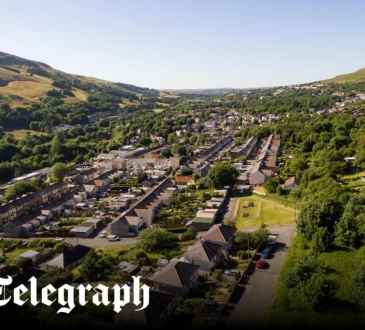
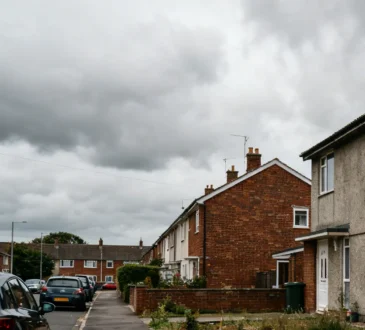
In contrast, the North East, with its lower house prices, has remained a ‘flipping hotspot.’
Locations such as Hartlepool, County Durham, Middlesbrough, Sunderland, and Stockton-on-Tees have remained popular.
The firm said a decline in flipping profitability has varied sharply by region, with the steepest falls concentrated in the South of England, where weaker house price growth and higher stamp duty costs have dented returns.
Aneisha Beveridge, head of research at Hamptons, said: “Flipping is no longer the profitable venture it once was.
“There was a time when rundown properties could be bought cheaply, refurbished, and resold at a healthy margin.”
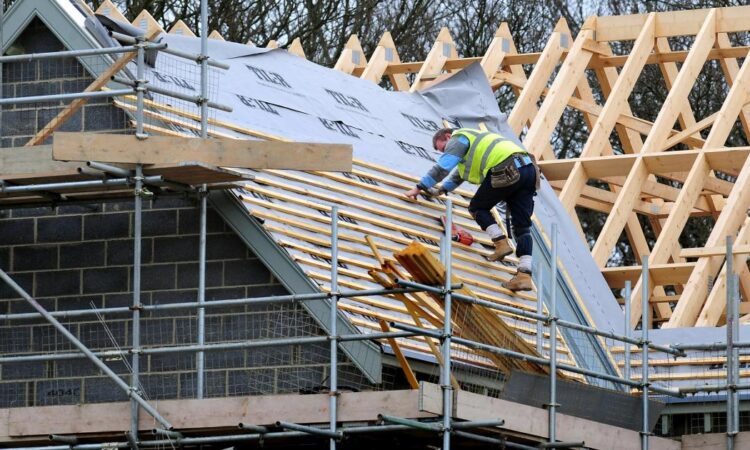
She said that stamp duty “is only part of the challenge”, adding: “Falling house prices across many southern markets have squeezed returns further while the cost of materials and labour have risen sharply since the pandemic.
“Even before factoring in stamp duty, refurbishment budgets now stretch much further than they once did, pushing profit margins to their thinnest levels in over a decade.
Read more:
“In contrast, the North – particularly the North East – has remained far more resilient.
“Lower entry prices keep stamp duty bills modest, meaning more scope to add value through refurbishment.
“Combined with strong local house price growth, this has created a rare pocket of the country where flipping can still deliver healthy returns.”