Japanese companies are facing pressure from policymakers and investors to divest non-core assets, including real estate
Published Mon, Apr 13, 2026 · 08:30 AM
[TOKYO] KKR’s Japan real estate management subsidiary plans a “big expansion” in purchases of properties that companies want to sell-off, a market the firm estimates is as big as 450 trillion yen (S$2.6 trillion), the unit’s head said.
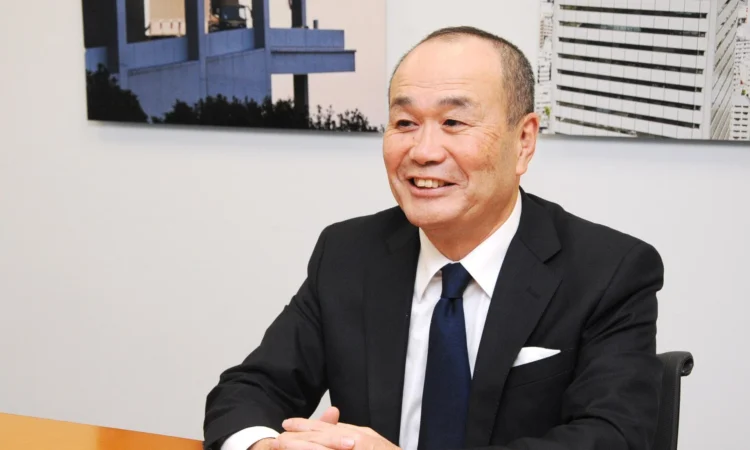
Japanese companies are facing pressure from policymakers and investors to divest non-core assets, including real estate, and KJRM Holdings says it sees profit potential there. The KKR unit’s real estate holdings jumped 20 per cent to about 2.5 trillion yen in 2025, among the biggest in Japan, according to KJRM Holdings’ president, Naoki Suzuki.
“Corporate demand to sell real estate is very strong due partly to shareholder activists and that will likely be the case for three to five years,” Suzuki said. “The trend of companies selling off their real estate holdings to improve capital efficiency will continue.”
He said that the firm plans to boost purchases of such properties, but declined to elaborate.
The Tokyo Stock Exchange has led a push to improve Japanese companies’ shareholder returns, and disposing of idle real estate is one facet of that. Aggressive investment in the sector during the late-1980’s bubble economy era has left companies with some of the world’s biggest holdings, and banking practices that make it easier for companies to get loans if they own real estate have also fuelled property investments.
Japanese firms’ real estate holdings as a ratio of their total assets surpass other developed countries in North America and Europe, reaching 12.6 per cent compared with the US’s 10 per cent and 4.4 per cent in the UK, KJRM data show.
Navigate Asia in
a new global order
Get the insights delivered to your inbox.
With Chinese assets out of favour due to geopolitical concerns, global investors chasing low-risk products in Asia-Pacific have little choice but to park their cash in Japanese assets, considering the nation’s market size and high liquidity, Suzuki said.
Barring a jump in benchmark Japanese government bond (JGB) yields to 3.5 to 4 per cent, the country’s real estate market is not likely to be hurt much by soaring borrowing costs, he said. Ten-year JGB yields were around 2.43 per cent on Friday(Apr 10) in Tokyo.
More than half of the properties acquired by KJRM-managed real estate investment trusts (Reits) and private funds in recent years were those that companies divested, Suzuki said.
SEE ALSO

They include 14 office buildings owned by Fuji Soft that were bought for about 68.7 billion yen by a listed Reit run by KKR as part of the US fund’s takeover of the Japanese software developer last year. In KKR’s acquisition of Logisteed in 2023, KJRM’s Reits and private equity funds also took over real estate worth more than 200 billion yen.
Those kinds of real estate investments come with risks, including rising interest rates, elevating borrowing costs, and swings in property prices. However, Suzuki said that in the current environment, rents can be increased to make up for higher costs.
KJRM will aim to buy properties that are resistant to inflation and will increase cash flow, especially in Japan’s biggest cities, including Tokyo, Osaka and Nagoya, Suzuki said. BLOOMBERG
Decoding Asia newsletter: your guide to navigating Asia in a new global order. Sign up here to get Decoding Asia newsletter. Delivered to your inbox. Free.