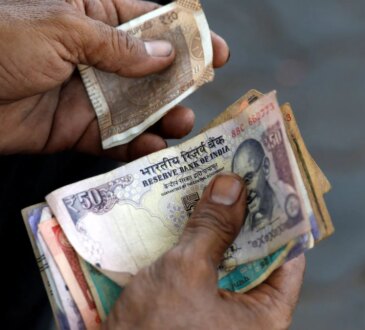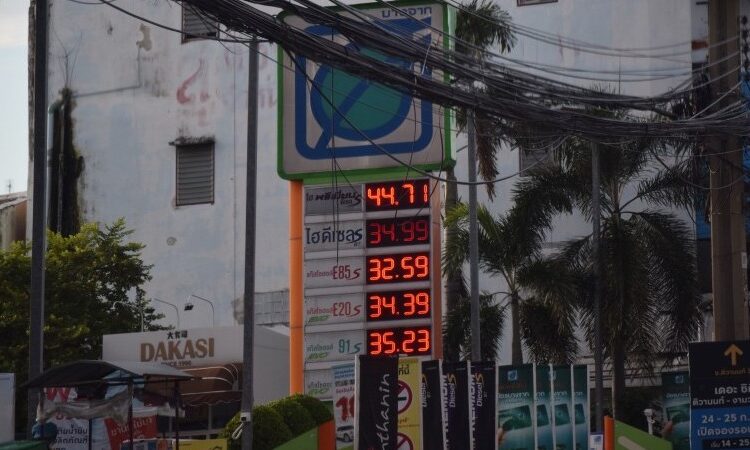
Because energy makes up a relatively large share of consumer inflation baskets across emerging Asia, higher oil prices can, in theory, push headline inflation up quickly, especially as higher fuel costs often drive food prices higher too. Emerging Asia has 25-45% of its CPI baskets driven by food. That’s why the most exposed economies, like India and the Philippines, are particularly vulnerable, where a 10% jump in oil prices could raise inflation by as much as 0.4 percentage points.
That said, the impact is far from uniform across the region. Several economies like Indonesia, Thailand and India are still partially shielded by fuel subsidies or regulated pricing, which dampens the direct pass‑through from global oil markets. On the other hand, the Philippines – also the worst impacted by higher oil prices – tends to see a stronger inflation hit because retail fuel prices are more market-driven and subsidies are limited.
Our base case had inflation across Asia rising but still staying within most central bank targets. But a price shock of this magnitude – if it lasts – coupled with currency depreciation could push inflation, for example, in the Philippines to the upper end of Bangko Sentral ng Pilipinas’s 2-4% inflation target, increasing the pressure on the central bank to hold rates instead of cutting further. Countries like Indonesia and India, which benefit from fuel subsidies, should still retain some room to ease, though the probability of further cuts would be lower.