Iran: The impact of currency exchange rates on the local economy
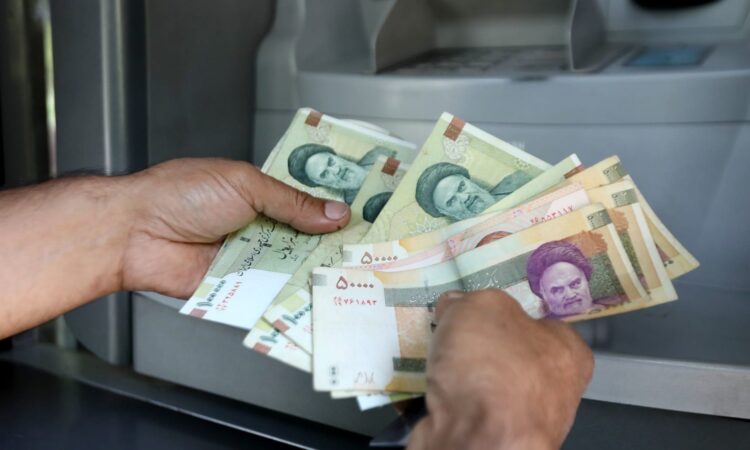
The surge wasn’t limited to the dollar; it extended to major currencies and precious metals as well. The euro reached 215,000 tomans, while the British pound surpassed 249,000 tomans.
In the gold market, the new “Emami” gold coin hit a record high of 207 million tomans. This underscores the country’s ongoing monetary instability.
IMF Vision
In contrast to this deteriorating situation on the ground, David Lipton, the IMF’s second-in-command, stated that Iran has a “unique opportunity” to revitalize its economy following the easing of economic sanctions related to the nuclear agreement.
Lipton praised Tehran’s success in reducing annual inflation from 45% in 2013 to 8%. He also projected that the economic growth rate would rise from its current 0.5% to 4.5% in the medium term.
The urgent need for reform
Despite these promising prospects, the finance official stressed that the Iranian economy still urgently needs major structural reforms, particularly in the banking sector. Lipton emphasized that strengthening macroeconomic stability requires focusing on the following points: bolstering the role of the private sector, protecting individual property rights, and attracting foreign direct investment to support sustainable growth. He also pointed to the need for reforms to ensure that the benefits of growth are distributed equitably across all segments of society.
It is worth noting that the International Monetary Fund is currently only providing technical assistance to Iran, without any direct financial aid program. This places the entire burden of fiscal and monetary reform on the local administration to address the accelerating currency collapse.