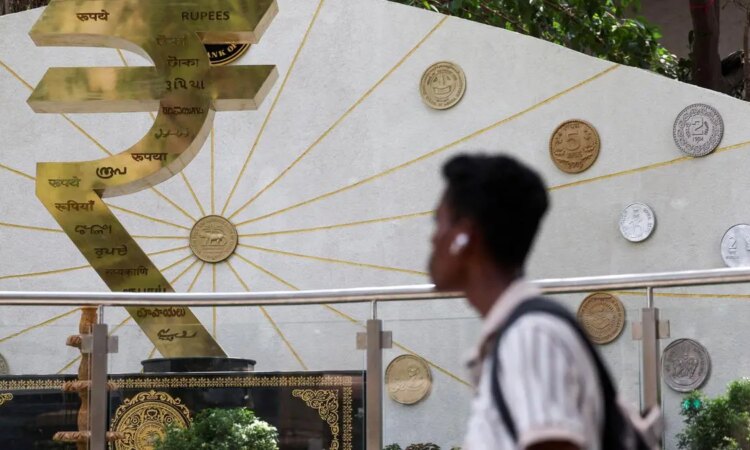
Central banks in Indonesia and India intervened in the foreign-exchange markets to support their respective currencies as emerging market assets came under pressure following the Iran war.
“Bank Indonesia will continue to be present in the market to maintain exchange rate stability and prevent the impact of the escalating Middle East conflict,” Senior Deputy Governor Destry Damayanti said in a statement Wednesday.
The Reserve Bank of India sold dollars in the currency market as crude prices soared on the Middle East conflict, traders familiar with the matter said, asking not to be identified because they aren’t authorized to speak publicly.
The Iranian war is curbing appetite for risky assets, with central banks in Indonesia, India and Turkey stepping in to defend their currencies on Monday as well. Rising oil prices are boosting concern over inflation and the trade deficit for most economies in Asia as they are net importers of the fuel.
Indonesia’s central bank will continue to implement “firm and consistent interventions” in offshore as well as in onshore non-deliverable forward, spot and bond markets, Damayanti said. The currency’s depreciation is aligned with the region and FX reserves were stable at $154.6 billion at January-end, she said.
The rupiah slid as much as 0.5% to 16,919 per dollar on Wednesday, inching closer to its weakest level on record, before paring. The Indian rupee fell as much as 0.8% to touch a record low. Both the currencies are among the worst performers in Asia this year along with the South Korean won.
The rupee may weaken further given India’s proximity to the Iranian war, its reliance on energy imports, and the risk of elevated oil prices persisting, said Shaun Lim, FX strategist at Malayan Banking Bhd. The Reserve Bank of India is expected to “step in if things get too bad for the rupee,” he said.
More stories like this are available on bloomberg.com
Published on March 4, 2026