entiment also softened – several Asian currencies slipped and Indian stocks were lower – though options markets hinted at less panic than before, with fewer traders paying up for protection against rupee weakness.
Why should I care?
For markets: Oil is back in the driver’s seat.
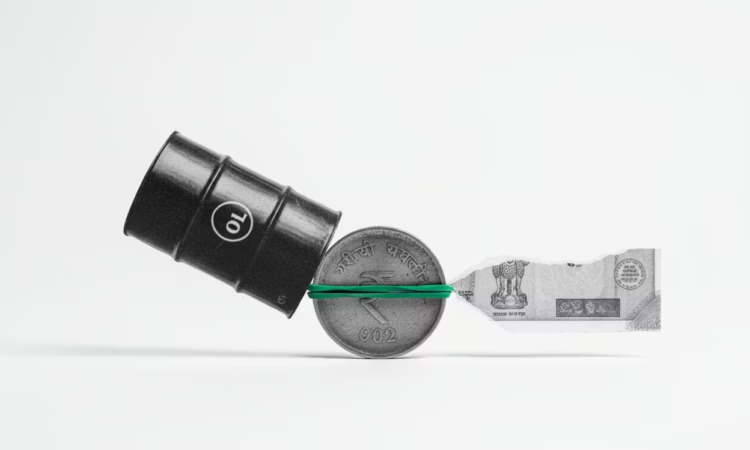
For India, pricier crude usually means a wider trade deficit and more routine dollar buying from energy importers, which can pin the rupee even if capital flows improve. That also feeds into inflation expectations, which markets watch for clues on how tight monetary policy might need to stay. Until energy prices cool, the currency is likely to react more to geopolitical headlines than to incremental domestic data.
The bigger picture: Central banks can shape behavior even when shocks hit.
The RBI can’t control geopolitics, but it can influence how crowded FX trades get. By tightening rules and liquidity conditions that affect short-rupee positioning, it can reduce speculative pressure and smooth volatility – something that seems to be showing up in calmer options pricing. Still, when conflict risk lifts oil and boosts demand for dollars globally, policy can only do so much to keep emerging-market currencies insulated.