
When will housing prices drop? See which U.S. cities are already experiencing price cuts.
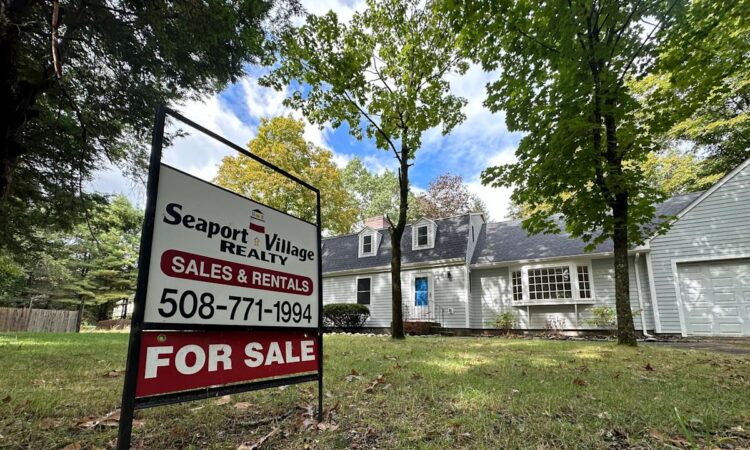
Data from Realtor.com shows that homes are staying on the market for longer. The typical home for sale spent 78 days on the market in January 2026 — five more days than the same time last year. You might be wondering: If the housing market is cooling, does that mean home prices are dropping? The answer depends on various factors, particularly on where you’re shopping for a home.
By many markers, home prices are, indeed, going down. Realtor.com’s January report shows annual price declines in 30 of the nation’s biggest 50 metros. The largest price declines were in Austin, Washington, DC, and Memphis.
According to the U.S. Census Bureau, the median home price in Q4 2025 was $405,300 — down from $423,100 at the beginning of the year. Additionally, Realtor.com’s data shows that the total active inventory of homes for sale increased by 10% between January 2025 and January 2026, and 18% of listings saw a price cut last month. However, the pace of inventory growth has stalled; nationwide January inventory is 17.2% below pre-pandemic levels, the furthest since March 2025.
That means it’s unlikely we’ll see a huge jump in listings until mortgage rates fall. Even as home loan rates have been gradually decreasing, many current homeowners are still reluctant to give up the 3% mortgage rates they secured early on in the pandemic. Plus, more sellers have been pulling their homes off the market since they can’t receive the amount of money they want for their houses due to issues with buyer affordability.
If you want or need to buy a home before those declines come to fruition, choosing your market carefully can be a great way to snag a good deal.
For example, in Austin, housing prices have fallen by more than 6% in the last year. In fast, more than half of the listings in the 50 largest metro areas are experiencing price cuts.
Here’s a look at some markets where home prices have risen and fallen the most drastically.
Prices aren’t dropping everywhere, though — the fact that housing costs are down in 30 of the 50 largest metro areas means that prices are stagnant or increasing in 20 of the largest cities. The Northeast is the primary U.S. region where home prices continue to rise. For example, median home prices in the Providence, R.I., metro area are up 9.8%, and prices in Buffalo and Pittsburgh are up 4% since last January.
Waiting on more inventory or lower mortgage rates isn’t the only way to buy a home affordably.
Here are a few strategies to consider if you see homeownership in your not-so-distant future.
-
Buy with an eye on refinancing. You could get into the market today with a home in your price range and look to refinance down the line. While you might get less house for your budget, you can start building equity. When rates come down, you can refinance your mortgage to a lower rate or even a different type of mortgage loan altogether.
-
Start small. While it might not be your dream home, you could find housing happiness in today’s market by purchasing a condo or buying a lot and putting a tiny house on it. Both home types can cost considerably less than a single-family home and help you build equity that translates to cash when you’re ready to upsize.
-
Go modular. No, these aren’t mobile homes. Modular homes are those that look just like a single-family home when constructed. The only difference is that they’re built in modules off-site and assembled when they get to your lot. They can also cost 10% to 20% less than a traditionally built home.
It may be good to buy a house in 2026 because, according to industry forecasts from Fannie Mae and the Mortgage Bankers Association, interest rates will probably gradually decrease this year. Home price growth is also expected to slow in certain parts of the U.S.
Typically, house prices fall when supply exceeds demand, and sellers must lower their prices to entice buyers. Most experts predict home prices will not go down significantly in the next five years, and instead, will increase modestly.
If your finances are in order and it’s the right stage of your life, it could be a smart time to buy a house. Interest rates have stubbornly remained elevated, but they aren’t at sky-high levels. Home price growth has also slowed, with many markets experiencing price declines in recent months.


