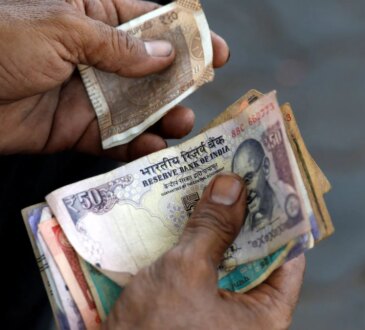
The currency has now retreated notably from levels around 92.70 seen about 10 days ago, reflecting a steady loss of momentum.
Market participants point to persistent dollar demand—particularly from oil importers—and hedging-related flows as key factors eroding the support created by recent Reserve Bank of India (RBI) measures.
Crude oil prices remain a central concern. Brent crude for June delivery rose over 1% to around $109.40 per barrel on Tuesday (April 28), hovering near a three-week high and extending a recent rally. Traders say the elevated oil environment is limiting any meaningful recovery in the rupee.
“It appears oil has settled at a higher range, leaving little room for sustained relief for the rupee,” a currency trader at a private-sector bank said. On a day-to-day basis, heavy dollar buying by oil refiners continues, with limited offsetting inflows.
Geopolitical tensions are also keeping oil markets tight. Although a ceasefire between the US and Israel with Iran has held since early April, oil flows through the Strait of Hormuz have yet to normalise, constraining supply expectations and supporting prices.
Adding to the pressure, most Asian currencies weakened, while the dollar index edged higher, further weighing on emerging market currencies, including the rupee.
RBI intervention remains measured
Traders noted that the RBI has been intervening intermittently to smooth volatility. However, the approach has been selective rather than aggressive, with the central bank supplying dollars up to certain levels before stepping back, instead of defending a specific exchange rate.
With oil prices firm and external cues subdued, market participants expect the rupee to remain under pressure in the near term, particularly if importer demand for dollars continues to dominate flows.
–With Reuters inputs
First Published: Apr 28, 2026 9:08 AM IST