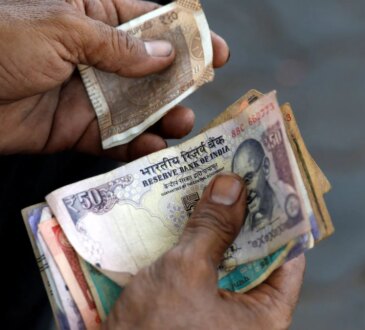
Rising trend in reserves
India Forex Reserves Strengthen External Stability: India’s forex reserves rose to $703.3 billion for the week ending April 17, 2026, marking an increase of $2.3 billion. This follows earlier weekly gains, indicating a gradual recovery after recent volatility.
The rise signals improved external sector stability and reduced pressure on the Indian rupee. However, reserves still remain below the all-time high of $728.49 billion recorded in February 2026.
Static GK fact: India is among the top five countries globally in terms of foreign exchange reserves, reflecting strong macroeconomic fundamentals.
Reasons behind earlier decline
The earlier decline in reserves was driven by global and domestic factors. Rising geopolitical tensions in West Asia led to instability in financial markets.
Additionally, capital outflows from emerging economies and increased demand for the US dollar contributed to pressure on reserves.
The Reserve Bank of India (RBI) also intervened in currency markets to stabilize the rupee, which temporarily reduced reserve levels.
Static GK Tip: Forex reserves are used by central banks to manage currency volatility, meet external obligations, and maintain investor confidence.
Composition of forex reserves
India’s forex reserves consist of multiple components reflecting economic strength. The largest share comes from Foreign Currency Assets (FCA), which include assets held in major currencies like the US dollar and euro.
Gold reserves have crossed $122.13 billion, showing diversification of assets. Special Drawing Rights (SDRs) stand at $18.84 billion, while the reserve position with the IMF is around $48.70 billion.
The increase in gold and SDR holdings enhances the country’s financial buffer against global shocks.
Static GK fact: Special Drawing Rights (SDR) is an international reserve asset created by the International Monetary Fund (IMF) to supplement member countries’ reserves.
Role of RBI in currency stability
The RBI plays a crucial role in managing exchange rate volatility. During periods of rupee depreciation, it intervenes by selling US dollars from reserves to stabilize the currency.
Such interventions help prevent sharp fluctuations and maintain investor confidence. However, they can temporarily reduce the total forex reserves.
The recent increase indicates that market pressures are easing, allowing reserves to rebuild.
Implications for Indian economy
The rise in forex reserves reflects improving macroeconomic stability and resilience against global uncertainties. Strong reserves act as a cushion against external shocks such as oil price spikes or financial crises.
They also support import cover, ensuring the country can meet its external payment obligations.
Overall, the current trend indicates a positive outlook for India’s external sector and currency stability.
Static Usthadian Current Affairs Table
India Forex Reserves Strengthen External Stability:
| Topic | Detail |
| Forex reserves level | $703.3 billion (April 2026) |
| Weekly increase | $2.3 billion |
| Previous peak | $728.49 billion (Feb 2026) |
| Major component | Foreign Currency Assets |
| Gold reserves | $122.13 billion |
| SDR value | $18.84 billion |
| IMF reserve position | $48.70 billion |
| Key institution | Reserve Bank of India |
| Economic impact | Supports rupee stability and external sector |