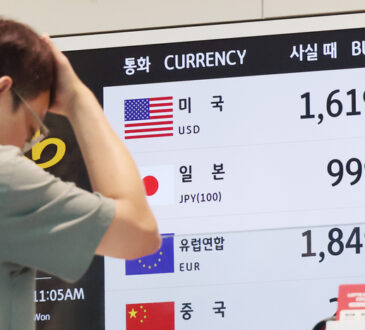
a’s central bank, Bank Indonesia, says it will keep using “smart interventions” – essentially stepping into markets to smooth the currency’s moves – but worries about policy credibility and market rules are still hanging over sentiment.
Why should I care?
For markets: MSCI’s review could turn a currency wobble into a flow shock.
MSCI, the index provider whose benchmarks guide many global funds, is due to publish its May index review as Indonesia’s currency hits new lows. That timing matters because MSCI has already flagged concerns about transparency and regulation, including the possibility of Indonesia being reclassified as a frontier market. If index weights change – or if the country’s status shifts – passive funds that track those benchmarks may have to rebalance quickly. In practice, that can mean sudden demand swings for Indonesia-listed shares and a higher “risk premium,” or extra return investors want for holding riskier assets.
For you: High oil prices can filter into fuel costs faster than you’d think.
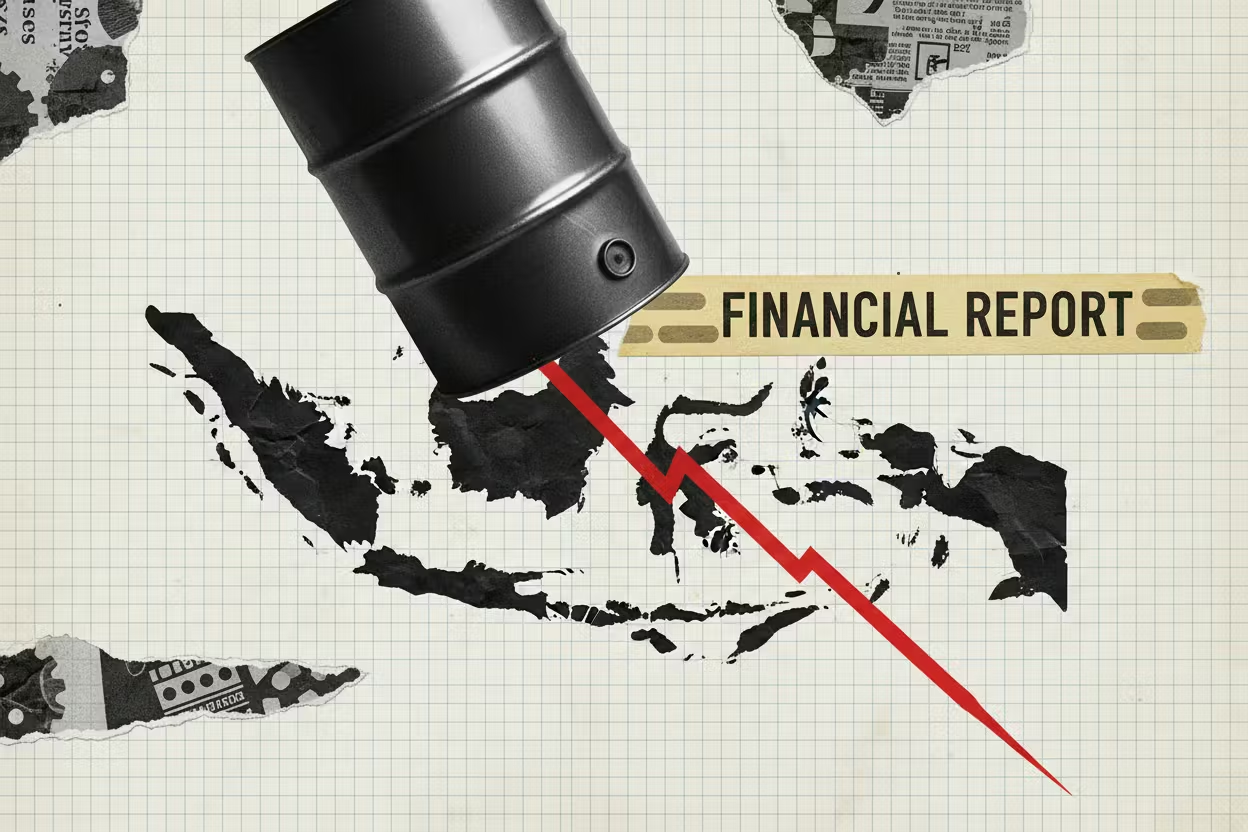
When a country imports a lot of energy, pricier oil typically means a bigger bill paid in US dollars, which can put more strain on the local currency. MUFG, a Japanese bank, has also warned that lingering energy disruptions and limited storage capacity could leave Indonesia with thinner fuel buffers, raising the risk of shortages. A weaker rupiah can make imports more expensive, and if supply gets tight, that combination can show up in volatile prices for transportation and household fuel.