Bank of Korea Puts CBDC and Deposit Tokens Ahead of Asset Tokens in Digital Currency Roadmap
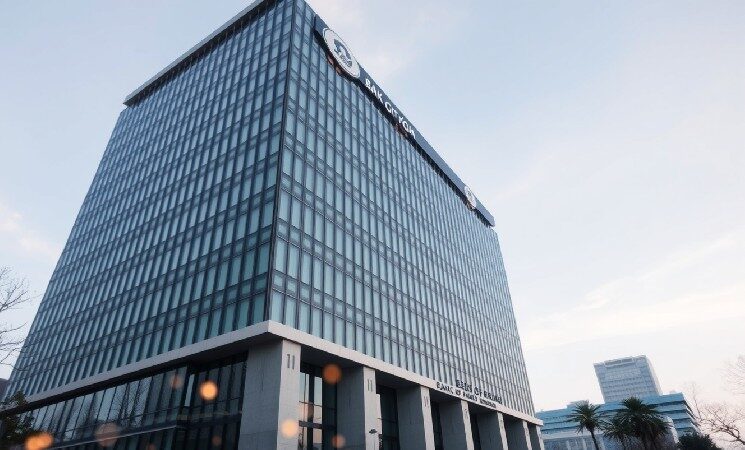
The Bank of Korea (BOK) has signaled a clear strategic preference for central bank digital currencies (CBDCs) and deposit tokens over asset-backed tokens as it prepares for the anticipated growth of the tokenized asset market. In an issue note published today, the central bank outlined a phased approach that prioritizes the establishment of a robust digital payment infrastructure before moving to more complex tokenized assets.
Phased Approach to Digital Currency
The BOK’s decision, reported by iNews24, reflects a cautious yet forward-looking strategy. The central bank views CBDCs and deposit tokens—digital representations of commercial bank money—as foundational elements for a modernized payment system. Asset tokens, which represent ownership of real-world assets like real estate or bonds, are considered a later-stage development. This ordering suggests the BOK aims to ensure the underlying payment rails are secure, efficient, and scalable before introducing assets that could introduce new forms of financial risk.
Stablecoins as a Supplementary Tool
The central bank also addressed the role of stablecoins, acknowledging their potential as a supplementary payment tool. However, the BOK attached strict conditions: stablecoins must fully comply with robust regulatory frameworks, guarantee redeemability at par, and maintain the stability of their reserve assets. This cautious endorsement aligns with global regulatory trends, where authorities are increasingly demanding transparency and consumer protections from stablecoin issuers.
Liquidity Mismatch Warning
A key concern raised in the BOK’s analysis is the operational mismatch between tokenized assets and their underlying real-world counterparts. While tokenized assets can trade 24/7 with near-instant settlement, the assets they represent—such as stocks or bonds—still operate on traditional market hours and settlement cycles. The BOK warned that this discrepancy could become dangerous during periods of market stress. A sudden rush to redeem tokenized assets could trigger simultaneous large-scale redemptions and forced liquidations, amplifying financial instability.
Implications for the Market
For market participants, the BOK’s stance provides a clearer regulatory horizon. Financial institutions exploring tokenization may need to align their strategies with the central bank’s priorities, focusing first on digital payment infrastructure rather than asset tokenization. The warning about liquidity risks also serves as a cautionary note for investors and platforms developing tokenized asset products, highlighting the need for robust risk management frameworks that account for the differences between digital and traditional settlement cycles.
Conclusion
The Bank of Korea’s strategic prioritization of CBDCs and deposit tokens marks a deliberate, risk-aware approach to digital currency adoption. By addressing both the promise and the perils of tokenization—particularly the liquidity mismatch between digital tokens and real-world assets—the BOK is setting a measured pace that prioritizes financial stability. As other central banks worldwide grapple with similar decisions, South Korea’s roadmap may offer a template for balancing innovation with systemic safeguards.
FAQs
Q1: What is the difference between a CBDC and a deposit token?
A CBDC is a digital form of central bank money, a direct liability of the central bank. A deposit token is a digital representation of commercial bank money, essentially a tokenized deposit. Both are designed for use in digital payment systems.
Q2: Why is the Bank of Korea prioritizing CBDCs over asset tokens?
The BOK believes that establishing a secure and efficient digital payment infrastructure using CBDCs and deposit tokens is a necessary foundation before introducing more complex tokenized assets, which carry additional risks like liquidity mismatches.
Q3: What liquidity risk did the BOK identify with tokenized assets?
The BOK warned that tokenized assets can trade 24/7 with instant settlement, but their underlying real-world assets (like stocks or bonds) still operate on traditional market hours. This mismatch could lead to simultaneous large-scale redemptions and forced liquidations during market instability.