
By Ankur Banerjee and Jaspreet Kalra
SINGAPORE, May 21 (Reuters) – Asia’s policymakers are taking increasingly urgent and unusual steps to shore up their economies on the front line of the global energy supply shock, with currencies falling to record lows and pressure already forcing up interest rates.
Asia buys about 80% of oil shipped through the shuttered Strait of Hormuz and stress in foreign exchange markets is one of the clearest signs that rising fuel prices are starting to hurt growth.
Governments are in an unenviable position. The path to preserving growth is precarious because falling currencies can shake confidence and stoke inflation, but supporting them with higher rates means a hit for consumers and the economy’s growth engine on top of the fuel shock.
India has appealed to citizens to drop overseas trips and avoid gold purchases to protect a rupee that is among the world’s biggest losers since war in the Middle East reduced crude supplies.
Prime Minister Narendra Modi has shrunk his own motorcade to save fuel, a government source told Reuters, while bankers think the central bank is spending $1 billion a day to prop up the ailing currency, which is trading at record lows.
The government source and the four banking sources requested anonymity as they were not authorised to speak publicly.
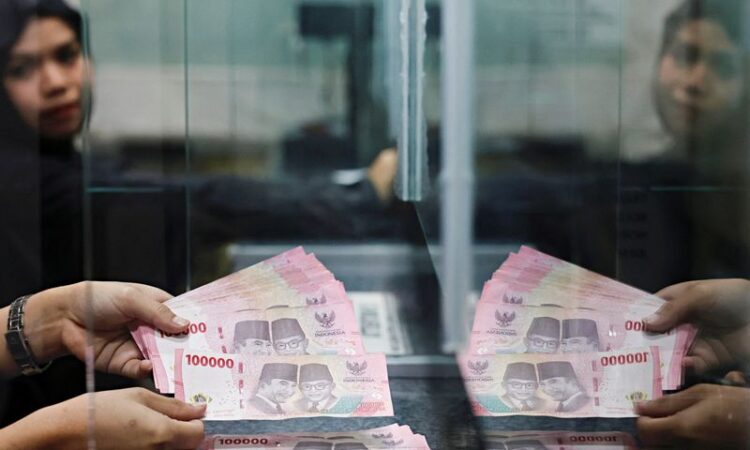
Indonesia on Wednesday announced a surprise 50-basis-point rate hike to shore up the rupiah – which also trades at record lows against the dollar – and seized control of commodity exports to ensure proceeds stay onshore and in the local currency.
The Philippines’ central bank has already raised rates, and there is talk that surging inflation could prompt an out-of-cycle hike before the next meeting due in a month’s time.
“How many hikes does it really take to incentivise capital to come in? The answer could be quite a lot,” said Navin Saigal, head of global fixed income for Asia Pacific at BlackRock.
“On the flip side, what do those hikes end up doing to the domestic economy? And the answer is, it could be quite a lot.”
India, Indonesia and the Philippines are particularly vulnerable because they are oil importers that are also being hit by capital outflows as investors take their cash elsewhere.
A sudden shift in U.S. interest rate expectations – with a hike seen as a risk this year – has piled on more pressure, pushing the rupiah to 17,700 per dollar, the rupee to the verge of 97 per dollar and the peso to nearly 62 to the dollar.
MARKETS APPLY THE BLOWTORCH
The growing unease over money flows is turning the environment in financial markets hostile.


