
German Bundesliga receives €1bn funding proposal from U.S. investment firm Apollo Sports
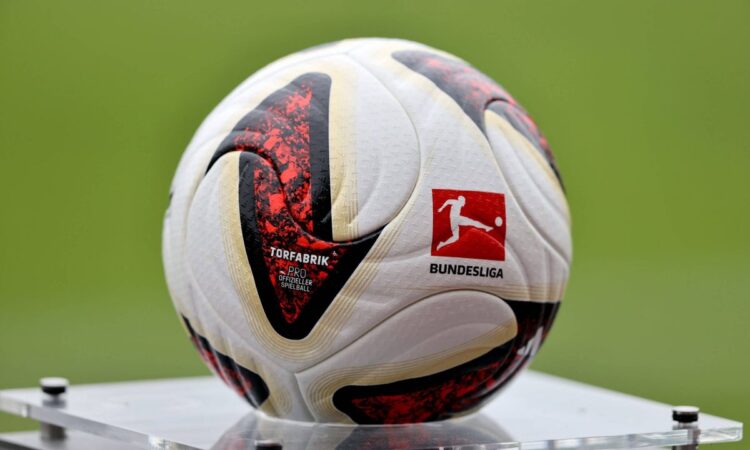
The German Bundesliga has held discussions with a U.S. investment firm about a €1billion (£855.6m; $1.1bn) loan.
At a meeting held in New York in June, representatives from the Bundesliga met with Apollo Sports Capital to discuss the framework of a loan over 20 years, guaranteed against the league’s future domestic broadcasting earnings.
According to sources granted anonymity to protect relationships, the proposal was not the result of any tender process, nor would it involve any transfer of equity. Any potential agreement would also be subject to a vote among the 36 member clubs of the two Bundesliga divisions and require a two-thirds majority to be accepted.
Even at an early stage, it represents the latest development within what has been a long-running, contentious saga within German football. The prospect of external investment is hugely divisive and yet the financial inequities facing clubs outside the English Premier League remain a problem without a solution.
In Germany, teams are run in accordance with what is known as the 50+1 rule. It means that 50 per cent of all voting rights, plus one share, must remain in the hands of club members. While there are exceptions, this prevents teams from ever falling under the control of a single, external investor and enshrines supporters as stakeholders to whom, ultimately, those who make decisions are accountable.
The positive implication of that law is the affordable tickets that keep Bundesliga stadiums full and their atmospheres febrile. Both are major selling points for the league. It also, in the broader sense, protects the identity of clubs, keeping them ideologically tethered to their regions and prevents them from being used for means other than sport — reputation laundering, for instance.
The negative, from a certain perspective, is that the lack of external investment prevents German clubs, Bayern Munich aside, from being competitive in European competition or having the finances necessary to pursue the world’s best players. There is also a competitive element. Bayern operate on a different financial plain to even their nearest rivals and have won 13 of the last 14 league titles. Such dominance makes the league less attractive and, in turn, arguably inhibits international growth.
This is one of the tensions at the heart of German football: how to maintain the league’s virtues while simultaneously challenging the financial dominance of the Premier League, where clubs profit from enormous broadcasting contracts and, in several cased, are bankrolled by sovereign wealth funds, private equity, or billionaires.
Nobody really has an answer for it.
The Bundesliga, the organisation that runs the top two professional leagues, known until 2026 as the DFL, have had two prior attempts, both of which sought to draw external investment at a league level.
In 2023, a first initiative proposed that 12.5 per cent of the league’s future domestic broadcasting contract over 20 years be sold to a private equity firm in return for €2bn ($2.28bn). The revenue generated was to be used to fund central marketing initiatives, to subsidise overseas tours by members clubs and to fund various infrastructural improvements, with the overall, long-term aim of increasing German’s football’s global appeal.
In an example of the 50+1 rule in action, fans protested vigorously. The opposition was loud and varied, but a familiar line was that selling a portion of shares would cede control from fan groups to private investors, diluting the influence of supporters over time.
The proposal needed a two-thirds majority among its 36 member clubs to be approved, but it failed to gain enough support. It was rejected, only to return in modified form a year later. In December 2023, the Bundesliga’s member clubs approved a proposal that — this time — would have seen 8 per cent of future broadcast rights over the same 20-year period sold for a €1bn ($1.14bn) investment.
The initiative passed by a two-thirds majority, but was subsequently abandoned in February 2024 after sustained, country-wide protests had disrupted weeks of matches. Supporters hung banners in stadia that denounced the proposed deal and, memorably, threw tennis balls, chocolates, and sweets onto the pitch during matches, causing long delays and highly negative coverage.
In the face of that opposition, the Bundesliga backed down. Hans-Joachim Watzke, then the CEO of Borussia Dortmund and speaking on behalf of the league’s executive board, conceded that the “successful continuation of the process no longer seemed possible in light of current developments”, before referencing the “large majority in favour of the business necessity of the strategic partnership”.
And this is the latest chapter. If any deal were to be formalised and then be accepted, it’s unclear whether the funds received would be used for the same purposes as intended under either of the previous proposals. With the Bundesliga not due to begin until the final week of August, supporters will also have to wait before expressing their reaction to this latest news.


