
UK house price postcode lottery mapped as buyers save £236,000 next to priciest spots | Personal Finance | Finance
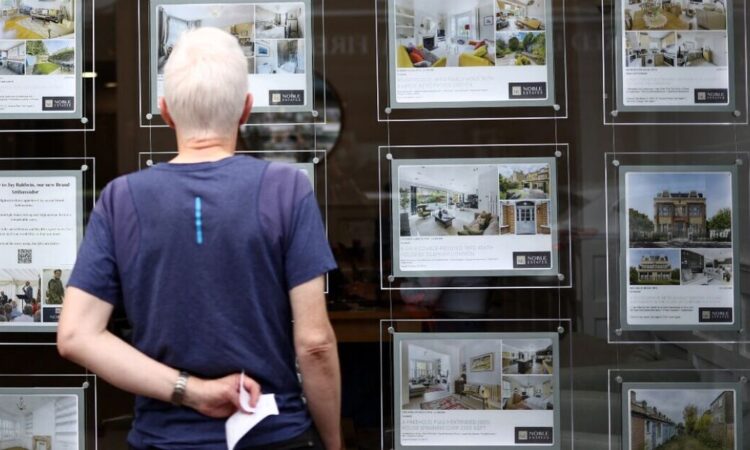

Lloyds says up to £236k can be saved by widening searches to spots next to the priciest postcodes (Image: Getty)
Property buyers can save up to £236,000 by widening their searches to spots next door to Britain’s most expensive neighbourhoods, a study claims. New research published by Lloyds details how much less people could pay, with savings of up to 47% beyond the boundaries of the country’s most sought-after postcodes.
The study compared the priciest postcode in each region across the UK with the cheapest postcode sharing the same border. It found homes in these neighbouring areas cost 28% less on average, while in many regions the gap is even wider. Amanda Bryden, head of mortgages at Lloyds, said the research shows the potential value that could be realised.
She said: “It’s easy to focus on the ‘must-have’ locations when you’re searching for a home, but this research highlights just how much value can sit right next door.
“Of course, neighbouring areas aren’t always directly comparable, and each will have its own distinctive character, housing stock and local appeal.
“But in many parts of the country, looking just beyond the most sought-after postcodes can reveal more affordable options while still keeping buyers close to jobs, transport links, amenities and the communities that matter to them.”
Ms Bryden said a small shift in location, particularly for first-time buyers, could make a big difference, not just in getting on the housing ladder, but also in the kind of property within reach.
Lloyds said its research shows the biggest saving is in the North East of England.
Our community members are treated to special offers, promotions, and adverts from us and our partners. You can check out at any time. Read our Privacy Policy
This region’s most expensive postcode is NE26, which includes the seaside town of Whitley Bay where the average price is £304,022, according to the research.
At the NE24 postcode next door, the savings are described by researchers as “significant”. Blyth lies at the heart of this postcode, which boasts an expansive coastline and continued regeneration.
Lloyds said the area is increasingly attracting buyers looking for both value and long-term growth potential.
The research notes that with an average price tag of £162,075, homebuyers in NE24 could pay £141,947 less than in neighbouring NE26, a saving of 47%.
In the North West of England, the average price of a property in WA14, which includes Altrincham and Bowdon, is £403,621.
This compares to neighbouring postcode M31, covering Carrington and Partington, where the average is £280,616, with a saving of £123,005 or 30%, compared to WA14
In Eastern England, the average price in AL5, Harpenden and Kinsbourne Green is £587,884. In LU1 next door, the average is £351,742.
Buyers could save £236,142 by looking at the South Luton postcode, or 40%, according to Lloyds’ analysis.
In London, among the capital’s most expensive postcodes in Lloyds’ analysis is NW3, which covers Hampstead and Belsize Park.
This is one of London’s most sought-after areas, offering a village feel, green spaces and period homes. These help push the average price up to £778,767.
But in neighbouring NW2, the price picture changes. Spots such as Cricklewood and Dollis Hill offer a more affordable entry point into north-west London.
With an average house price of £546,348, buyers here could pay £232,419 less compared to neighbouring NW3 – a saving of around 30%, the study shows.
Lloyds carried out the research with S&P Global, using the same mortgage approval data used to calculate the Lloyds House Price Index.
A standardised house price was calculated for each UK postcode prefix using a simplified version of the model that underpins the Lloyds House Price Index.
The model adjusts for property characteristics including property type, size, number of bedrooms and whether a home is a new-build or existing.
Standardised prices were then compared with regional averages across England, Scotland, Wales and Northern Ireland to identify and rank relative premiums and discounts.
For Greater London, prime central spots and their four-digit postcode prefixes were excluded because they are small, highly localised areas that Lloyds said tend to yield insufficient sample sizes.


