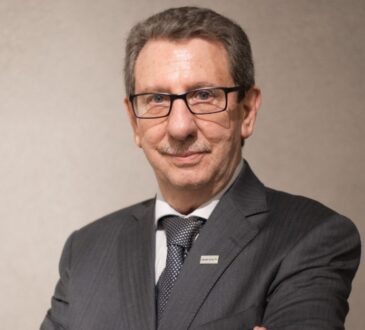
Arch Capital is looking to sell Japanese rental properties sooner after raising rents, with managing director Terence Lo warning that higher borrowing costs could push up capitalisation rates and erode gains from longer holds.
Investors can use Japan’s one- to two-year rental cycles to bring rents up to market levels and then sell, Lo said at Tuesday’s Mingtiandi Tokyo Forum. Holding for four or five years, as investors might previously have done, leaves them exposed to further increases in cap rates, which can depress valuations even as rental income rises.
Arch, which entered Japan in 2023 with a 25-property Tokyo apartment portfolio, secured rent increases on 88 percent of renewals across its Japanese portfolio this year, Lo told the forum, which was sponsored by Yardi. The Hong Kong-based manager is also furnishing selected apartments to lift rents.
“We believe that investment cycles are getting shorter in Japan,” Lo said. “Once you mark rents to market, we believe that you should take that opportunity to exit to lock in your return.”
Raising Income at Property Level
Pro-invest Group co-founder and managing partner Sabine Schaffer said fund managers had often created value “by waiting for the cap rate to compress” and would now have to do more to improve the properties themselves. She expects housing shortages, particularly in Australasia, and more capital from large institutions to support values over time.

Pro-invest’s Sabine Schaffer speaks during the APAC residential panel (Image: Mingtiandi)
Pro-invest has converted offices and hotels into rental accommodation in Australia, where Schaffer sees demand for studios and one-bedroom units. Hotel conversions can give the company smaller units without moving walls on guest floors, while ground-floor areas can be turned into shared spaces for residents, she said.
In Tokyo’s Minami Azabu neighbourhood, Dash Living generated two to three times the previous revenue at a property by furnishing units and alternating licensed tourist stays with rentals of three to six months, founder and CEO Aaron Lee said. Dash invested in the 130-unit apartment building with TE Capital Partners and Alyssa Partners.
“You should be able to switch between different durations during different times of the year,” Lee said. Dash uses artificial intelligence to analyse where demand is coming from and adjust the mix of stay lengths as that demand changes.
At Dash Living Hatagaya, two stops from Shinjuku, the company fitted larger units with extra beds to accommodate visiting families. The building had been designed as a conventional apartment property, but demand from families visiting the Shinjuku area made the larger layouts an advantage, Lee said.
APlus Property Investment Holdings took a different route to serving short-stay guests in Osaka. Japan head Gloria Liu said the company worked with its operator to track room rates and occupancy during the tourism recovery before starting construction in 2024. The 30-unit 30 Pieces Namba opened shortly before Osaka Expo began in April 2025.
APlus sold 30 Pieces Namba to a Tokyu Land-managed fund in August. The building’s certification under Osaka’s special-zone short-stay scheme lets it take guests year-round, and existing operators can continue under the scheme after the city stopped accepting new applications in May.
Two Votes for Hong Kong
Asked where he would invest over the next 18 months, Lo picked Hong Kong student accommodation, citing a shortage of beds and full occupancy at Arch’s Oootopia properties. Other investors have been buying buildings to meet that demand, including Singapore’s Shorea Capital, which picked up a Sheung Wan commercial tower for conversion.
Lee named Hong Kong as his preferred city outside Japan. Dash has taken part in six bids there this year and won three, either on its own or alongside a capital partner, he said.
“I think location should come first,” Lee told the forum. He sees a case for student accommodation near universities, while Dash turned a former student residence near Times Square in Causeway Bay into a hotel.
“I choose Sapporo,” said Liu, whose firm has helped overseas investors enter Japan. APlus worked with MODO, an affiliate of IGIS Asia, on the acquisition and development of its first Roppongi property.
Schaffer favoured building a portfolio across Australia and New Zealand, starting in major cities. She expects a shortage of rental housing and the difficulty of bringing new stock to market to sustain investment opportunities across both countries for years.