Freight rail sector in Brazil banks on progress in auctions and new investments in 2027

The freight railway sector in Brazil may be entering a cycle of projects and investments similar to that seen in other infrastructure segments, such as highways and sanitation, which have recorded record levels of investment in recent years.
Long considered a complex sector for investments, due to the size of the contracts and the high risks involved in long-term projects, the segment now benefits from a federal government initiative in a diversified portfolio of contracts to be offered to the private sector.
In December, an important railway authorization contract, referring to a 733-kilometer stretch, will be auctioned, in an initial test of investors’ appetite for a portfolio planned for 2027. Next year’s schedule should involve 17 contracts and initiatives, with investments estimated at approximately 160 billion reais (US$29 billion).
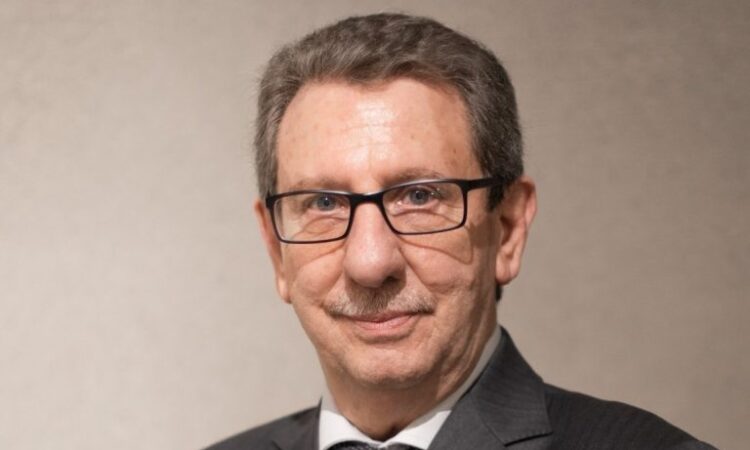
Vicente Abate, president of the Brazilian Railway Industry Association (Abifer), spoke with BNamericas about the sector’s expectations regarding this agenda and explained why he believes that the state development bank, BNDES, should play a key role in this process.
BNamericas: What is the outlook for the progress of freight railway projects in Brazil in 2027? Will the schedule planned by the federal government be carried out this time, considering that the agenda projected for this year was delayed and did not materialize?
Abate: My expectation is quite positive.
I believe that, finally, in 2027, the railway projects planned by the federal government should move forward and that the schedule of auctions and initiatives announced for the sector may effectively materialize.
We are talking about approximately 9 thousand kilometers of railway projects, a very significant length that represents an important opportunity to expand and make better use of Brazil’s railway infrastructure.
It is important to say that this movement is not limited to the construction of new lines. It also involves the recovery of existing sections and the expansion of the network’s operational capacity.
With greater maturity in contract drafting, expectations are now quite positive. In fact, I believe that the scheduled auctions will move forward regardless of any potential changes in the composition of the government or in the leadership of the Ministry of Transport, since they represent a strategic agenda for the country and for the development of its logistics infrastructure.
(BNamericas note: In January 2027, the re-elected president Luiz Inácio Lula da Silva begins his new term. Traditionally, governments tend to promote ministerial changes at the beginning of new terms to comply with political agreements and arrangements.)
Given these expectations, we, as a business association, are working in this direction and believe that this schedule, together with other structuring projects, can effectively move forward over the course of 2027.
BNamericas: How do you assess the participation of companies that already operate in the Brazilian railway market in these new contracts? Is there room for new investors in these contracts, or are we likely to see the companies already established in the country winning the auctions?
Abate: In fact, the companies that are already present in Brazil will be in a strong position to take part in these projects, but this does not prevent new investors from entering.
The market is open and there is room for different groups interested in investing in the railway sector.
We have important and established operators in the country, such as Rumo, MRS, VLI, Vale and Transnordestina Logística, which have experience, market presence and participation in important transportation and export corridors.
These companies will certainly be well positioned to compete for new opportunities.
However, the projects to be auctioned will require very substantial investments, which tends to demand the participation of new partners and investors with the financial capacity to provide the necessary resources.
Brazil offers significant opportunities, and we expect both current operators and new groups to take part in this expansion cycle. The market is open, and the most important thing is to attract capital and partners capable of making the projects viable.
BNamericas: In December, the government will already have a test of this agenda with the auction of the contract for the so-called Minas–Rio Railway Corridor, 733 kilometers long. What is your expectation for this auction?
Abatement: There are indications of interest in this contract from major companies, such as CSN, MRS Logística, Concremat and Porto Seco Sul de Minas.
This is a positive sign, which highlights the interest in the sector. It is even possible that other groups will also show interest in this contract, reinforcing the freight rail segment’s potential to attract market participants.
BNamericas: Which projects and rail corridors are likely to attract the most attention in this new investment cycle?
Slaughter: We have several important projects being developed in various regions of the country.
The resumption of strategic railway sections in the Northeast deserves to be highlighted. One example is the connection between Salgueiro and Suape, in Pernambuco, with approximately 600 kilometers, which may help increase integration between the interior of the region and the Suape port complex.
There are still important opportunities to develop railway corridors involving Fortaleza, Teresina, and Maranhão, as well as projects aimed at expanding transportation on meter-gauge tracks and connecting different producing regions with Brazilian ports.
BNamericas: The financing structure of these projects has already been identified as one of the main obstacles to advancing this railway agenda. Is this situation resolved?
Abate: Financing is always a key factor for projects of this scale, because we are talking about undertakings that require very high investments and have long maturation periods.
However, Brazil has resources, interested investors, and institutions capable of participating in this process.
The challenge, more than the financing itself, lies in properly structuring the projects and creating financial conditions that allow their execution.
In this context, BNDES is and will continue to be an extremely important partner. The bank already plays a significant role in structuring infrastructure projects and has been expanding its activities in the railway sector.
In addition, the bank has already indicated the possibility of offering financing with terms of up to 40 years, which represents a very important advance, because it makes it possible to adapt the credit conditions to a railway’s investment cycle, which normally requires several years of implementation before it begins to generate revenue.
We also understand that BNDES may increase its participation through different instruments, including equity participation mechanisms, contributing not only to financing and structuring, but also to the effective implementation of the projects.
The bank will therefore be a key partner from the beginning of this new investment cycle. We believe that this combination of private capital, long-term financing, and the participation of public institutions such as BNDES will be decisive in turning the planned projects into reality.
(The original version of this content was written in Portuguese)