Last month’s Budget was the first major salvo in the new PM’s policy and communications activity, with a 10-year plan and comprehensive spending review to follow in the coming months.

Vanessa Hale is chief executive of Real Estate:UK
While it was never likely to be the radical Budget some predicted when Andy Burnham entered Downing Street, Real Estate:UK had called for the government to address the core challenge facing the industry and in turn dragging down the economy’s potential: the worsening development viability crisis.
Instead of doing so, we had a Budget that, on balance, was net negative for the real estate sector. It contained none of the measures that would have made a meaningful difference in tackling viability or that addressed the fact nearly two thirds of England have turned into, effectively, undevelopable zones because the economics of building simply do not stack up.
Even worse, it proposed some positively damaging measures, such as the surprise proposal around adverse taxation changes to sovereign wealth funds (SWFs) on their UK investments, which I’ll return to below.
While it was positive to see government heed our warnings about not introducing a high-value business rates multiplier for offices, and to see some relatively small nods to development and viability through the confirmation of Your First Home, a modest increase in the funding for the Social and Affordable Homes Programme, a commitment to no new building regulations (unless safety related) and the exemption of smaller brownfield sites from biodiversity net gain (BNG) requirements, these were small beer compared with what was needed.
Removing our favourable tax status sits somewhere between odd and totally incoherent
These measures do little, if anything, to assist with the viability crisis affecting build-to-rent (BTR) delivery in particular, with 2026 looking likely to be the worst year since the Covid outbreak. Our most recent quarterly data with Savills shows a 63% fall in starts in the year to October, and completions exceeding starts for the 11th consecutive quarter – meaning the pipeline of new homes is drying up. Recent measures such as the ‘Register your rental property’ database – which, by not giving large landlords the ability to do bulk uploads, will add hundreds of thousands of pounds of compliance costs on to BTR landlords – only add to the headwinds against building more homes.
Buy-to-let exodus
The decline in BTR development cannot be underestimated in a climate with a continuing exodus of buy-to-let landlords, which is likely to accelerate following the taxation changes proposed within the Budget for private landlords.
It’s disappointing not to see measures to mitigate some of the worst of the supply crunch, such as the restoration of multiple-dwellings relief within stamp duty land tax. We estimate that such a restoration would have cost the Treasury just £155m but would provide a significant stimulus to the BTR and wider sectors and unlock delivery of up to 25,000 homes.
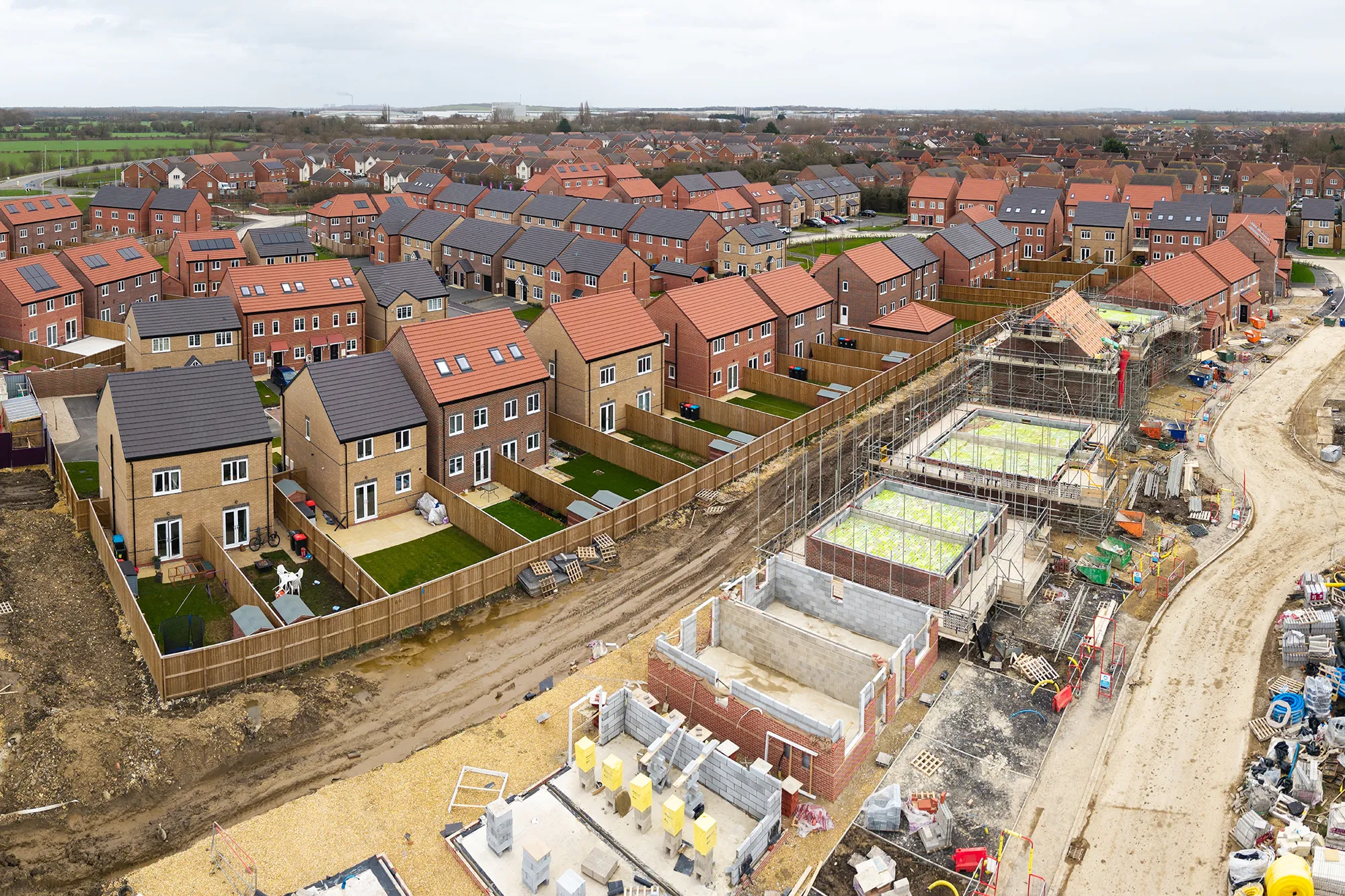
Viability crisis: the government needs to take some tough decisions to ensure homes can get built
The chancellor could have introduced, for a fixed term, a building safety levy (BSL) relief for those residential developments finely balanced from a viability perspective. Yes, the introduction of the measure to remove BNG obligations on smaller brownfield sites is good, but any saving will be more than absorbed by the BSL.
Meaningful support measures are one thing; the introduction of measures detrimental to the real estate sector is quite another. The mooted tax of SWFs, if enacted, will do nothing to enhance the UK’s international credentials. Indeed, it will actively undermine them.
This is certainly true considering that six sovereign funds alone own £31bn of UK property and have played major roles in unlocking town centre regeneration sites, creating advanced manufacturing and life sciences facilities and building desperately needed new homes.
Our relatively favourable tax status for foreign capital has mitigated some of the negative perceptions that investors have of the UK’s attractiveness as a place to do business and removing this sits somewhere between odd and totally incoherent.
In the near future, the government is going to have to make a decision – is it prepared to see the tax, regulatory and wider cost burden reduce the viability of building new homes to buy and rent, or is it going to take some tough and potentially unpopular decisions with key groups of voters to ensure housing delivery doesn’t fall to historic lows?
Vanessa Hale is chief executive of Real Estate:UK