It’s been nearly three years since biodiversity net gain (BNG) became part of a developer’s planning checklist. Yet for many, this new requirement is confusing, inconvenient and yet another thing to juggle.

Ian Hambleton is founder and chief executive of Biodiversity Units UK
I’ve been part of this industry since 2023 and it’s taken that time to discover how best to avoid overpaying or risking delays: more than 300 BNG projects on, we’re clear on how to successfully discharge the BNG condition.
There are three parts to the offsite BNG unit market: people buying the units, people selling the units and people in the middle who intermediate the purchase.
The number of suppliers is booming: two years ago there were 37 habitat banks on the Natural England register. Now there are over 399, and many of them are small independents. Even the largest operator, Environment Bank, accounts for less than 12% of those banks, so the available supply is very distributed.
One of the most important factors in the price of the units and the likelihood of them being accepted by your local planning authority is how close they are to your development. The purpose of the legislation is to encourage biodiversity gain within the local area.
So how should you approach the purchase process? Getting to know your local habitat bank operators is fairly straightforward. A few good relationships might serve you well, although often, tricky habitat requirements may require you to look further afield, if local habitat banks don’t have those units available.
BNG needs to be dealt with properly, but you don’t want it to become your full-time job
Going to a larger national operator also makes sense, with one contact who can handle the process. The question is whether they have suitable units close to your site, and how their price and deal terms compare with other suppliers.
You can, of course, build a team internally. For a very large developer with significant numbers of projects, that may be worthwhile. But the fixed overhead could feel disproportionate.
Another option is to work with a broker or marketplace provider – someone who knows the national market, can find and explain available options and helps get the purchase sorted.
Proper due diligence
Whichever route you choose, price is only part of the decision. Proper due diligence will give confidence that the units are suitable, the paperwork is in order and everyone understands what needs to happen next.
Remember that a small cost saving offers little comfort if an avoidable problem delays approval of your biodiversity gain plan and your start on site.
To complete the purchase, you will need to establish if the supplier has the right type of units, and if they are available when you need them. Will the proposed purchase meet the requirements in your ecologist’s metric?
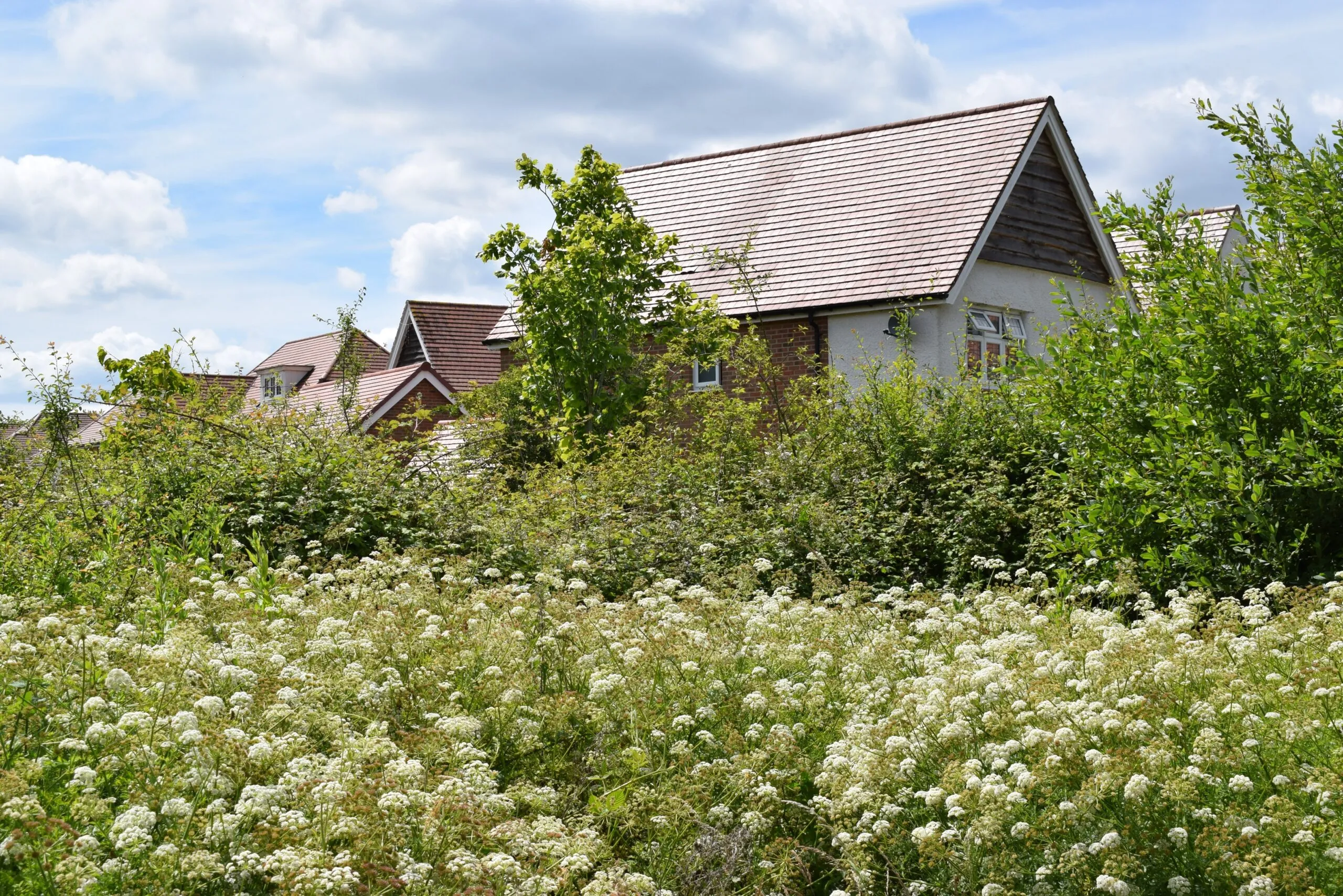
Worthwhile process: the BNG legislation can feel like another box to tick but it was introduced for good reason
Remember, the location of your supplier can often affect cost. The ‘spatial risk multiplier’ makes sourcing units further away from your development more expensive, in effect penalising you for not replacing biodiversity locally.
Check registration and allocation arrangements, payment terms, timescales and who is responsible for each step. A useful question for any partner is simply: what could hold this up, and how are we dealing with it?
Getting things right takes a little attention early on: enough to know you have suitable units, a fair deal and someone who will see the process through. It is best to get a range of supply options, as price and deal terms can vary.
BNG needs to be dealt with properly, but you don’t want it to become your full-time job. The encouraging news is that once the process is familiar, it is easier to handle.
We recently surveyed more than 100 organisations that had bought BNG and, of these, 73% described it as straightforward or manageable once understood. Almost half said it had been confusing initially, but manageable once they got their heads around it.
This new legislation can feel like another box to tick, but it’s worth remembering why it was introduced. The UK is bottom of the G7 for nature, so this new market, and your learning curve, are essential to helping restore our green and pleasant land.
Ian Hambleton is founder and chief executive of Biodiversity Units UK