

After years of campaigning, Propertymark welcomes concrete progress in leasehold reform. We will keep pushing to ensure the outcome delivers a fairer, clearer and more workable system of home ownership.
We have lobbied for leasehold reform since at least 2017. Our research, policy papers, and direct engagement with successive UK Governments have consistently highlighted how leasehold, and particularly ‘fleecehold’ and escalating ground rents, distort the housing market and undermine consumer confidence.
Our 2018 report, Leasehold: A Life Sentence?, exposed widespread dissatisfaction among leaseholders and helped build momentum for reform. Since then, we have repeatedly called for tougher action on ground rents, a ban on new leasehold properties, and better consumer understanding of tenure before purchase. We have also continued to press the case through our more recent leasehold research, showing that leasehold properties remain harder to sell and poorly understood by buyers.
Why the leasehold market must reform
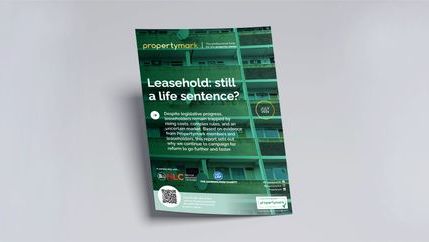
We asked estate agents about their experience of selling leasehold homes. In our 2026 report, Leasehold: still a life sentence?, 78% said that at least one leasehold home had failed to sell or had been taken off the market in the previous two years. High service charges, rising ground rents, and short leases were the most common problems. More than half of agents selling flats with unsafe cladding said the main hurdle was getting a mortgage.
In England, average flat prices slipped below those of terraced homes in March 2022 for the first time in the Land Registry series that began in 1995. By September 2026, the average flat or maisonette cost £216,000, compared with £246,000 for a terraced home.
15 Jul 2026
Leasehold: still a life sentence?
What the Bill would change
- Commonhold would become the default for most new flats. Each owner would hold the freehold of their flat. Owners would help run the block through a commonhold association and pay a share of the costs. There would also be new rules to help manage blocks with both flats and shops or offices.
- Sales agents would need to check whether a new lease is permitted. Once the ban starts, most new leasehold flats could no longer be marketed or sold. There would be some exceptions, such as shared ownership. Listings for those flats would have to say why the lease is allowed.
- Existing blocks would have an easier route to commonhold. In a typical block, qualifying leaseholders representing at least half the flats could support conversion, rather than needing unanimous agreement. The Bill would also help bring in existing plans to make it easier and cheaper to extend a lease or buy the freehold.
- Leaseholders would gain stronger protections. The Bill would end forfeiture, which lets a landlord end a lease over a breach. A court-led process would take its place. The Bill would also remove powers that put homes on managed freehold estates at risk over unpaid charges. It would allow caps on some fees for routine requests, such as asking to keep a pet. Eligible leaseholders could also ask for gigabit broadband for their block.
See the full text of the Bill →

40 years is too long to wait
The UK Government plans to introduce the £250 annual ground rent cap in 2028. Under the Bill, the 40-year transition starts when the cap comes into force. Ground rent then falls to a peppercorn, which means effectively zero. We have called for a 20-year transition, an option considered by the previous UK Government. The Commons committee that looked at the draft Bill also asked ministers to make the case for waiting 40 years. The cap should give landlords no grounds to raise the rent if the lease has no clause allowing a rise.

Clearer information could make flats easier to sell
We have called for a standard format for leases. Terms vary from one lease to the next and can be hard to understand. The Bill makes provision for standard commonhold terms. We want the rules to spell out what owners must pay, who looks after shared areas and what owners can do with their flat. Commonhold owners and eligible leaseholders would be able to ask their association for information when they sell. Regulations would set deadlines and fee limits. This could help agents and solicitors give buyers the facts up front, as the wider home buying and selling reforms aim to do.
Separate service charge reforms under the Leasehold and Freehold Reform Act 2024 will help too. Standard bills, accounts and annual reports should help leaseholders see what they pay for and challenge unfair costs. Clear records can also reassure residents that their managing agent is doing a good job and help buyers budget before they commit.

Understanding the transition is critical
A successful move to commonhold will not happen through legislation alone. If existing leaseholders are to take up the option to convert, and if commonhold is to work smoothly for new flats, both consumers and property professionals need clear, practical support.
A lack of understanding around leasehold already causes delays, confusion and fall-throughs, and without targeted guidance and training, there is a real risk that commonhold could suffer the same fate as before, not because it is flawed, but because it is poorly understood.
Agents will be on the front line of explaining new tenure arrangements, marketing commonhold properties and advising clients. Consumers, in turn, need confidence in what commonhold means for ownership, management and long-term costs. Supporting this transition must be treated as a core part of reform, not an afterthought.