
Asian currencies traded mostly flat on Tuesday as the U.S. dollar remained close to an 18-month high, supported by elevated Treasury yields and persistent inflation concerns. The euro stayed under pressure near a 17-month low.
The U.S. Dollar Index hovered around 102.11 after touching 102.21 and reaching an 18-month peak in the previous session. EUR/USD traded near $1.123, while GBP/USD edged higher to $1.3224. USD/JPY was little changed at about 157.92, with AUD/USD at $0.698 and NZD/USD near $0.560.
The dollar has maintained its strength despite weaker U.S. employment data and softer September services activity, which reduced expectations for another Federal Reserve interest-rate hike in the near term. However, investors remain cautious as stronger domestic demand continues to create supply-chain pressures and push business input costs higher.
Persistent inflation risks have reinforced expectations that U.S. monetary policy could remain restrictive. Elevated longer-term Treasury yields are also supporting the greenback as markets assess inflation, fiscal concerns and the Fed’s policy outlook.
Meanwhile, the euro remained near its weakest level since May 2025, extending a weekly decline of roughly 1.2%. Political and fiscal uncertainty across the euro zone, combined with concerns over higher energy costs, has weighed on the currency. Investors are also considering whether persistent inflation could force the European Central Bank to maintain restrictive policy for longer.
In Asia, the Indian rupee remained under pressure, with USD/INR near 96.58. The rupee closed Monday at 96.2925, about 0.6% away from its May record low of around 96.96. The Reserve Bank of India is expected to continue selling dollars periodically to moderate the pace of depreciation.
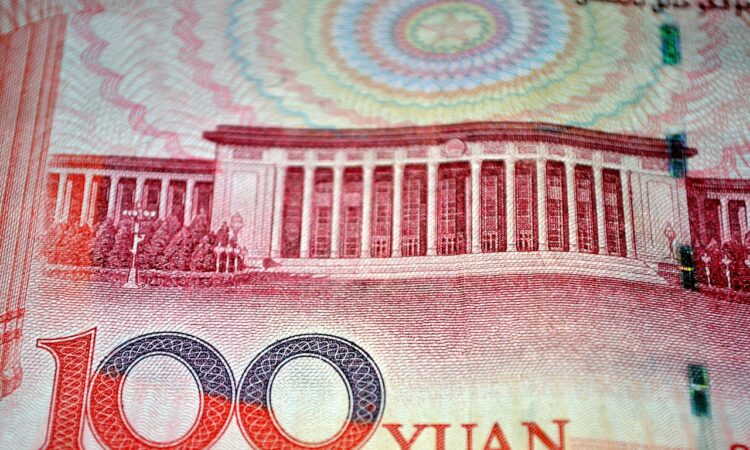
The Chinese yuan was broadly stable, with USD/CNH around 6.702 and USD/CNY near 6.705 as China’s National Day holiday kept onshore activity subdued. South Korea’s won and Singapore dollar were also largely unchanged.
Regional markets are now watching inflation, economic growth and central-bank signals, with Malaysia, Singapore and the Philippines facing renewed price pressures while Thailand balances improving investment against oil-price and flooding risks.


