
ta. Indonesia’s rupiah fell to a record 17,445 per US dollar despite first-quarter gross domestic product growth of 5.61% year-on-year, prompting its central bank to promise “consistent and measured” support.
Why should I care?
For markets: Oil shocks create a fast leaderboard.
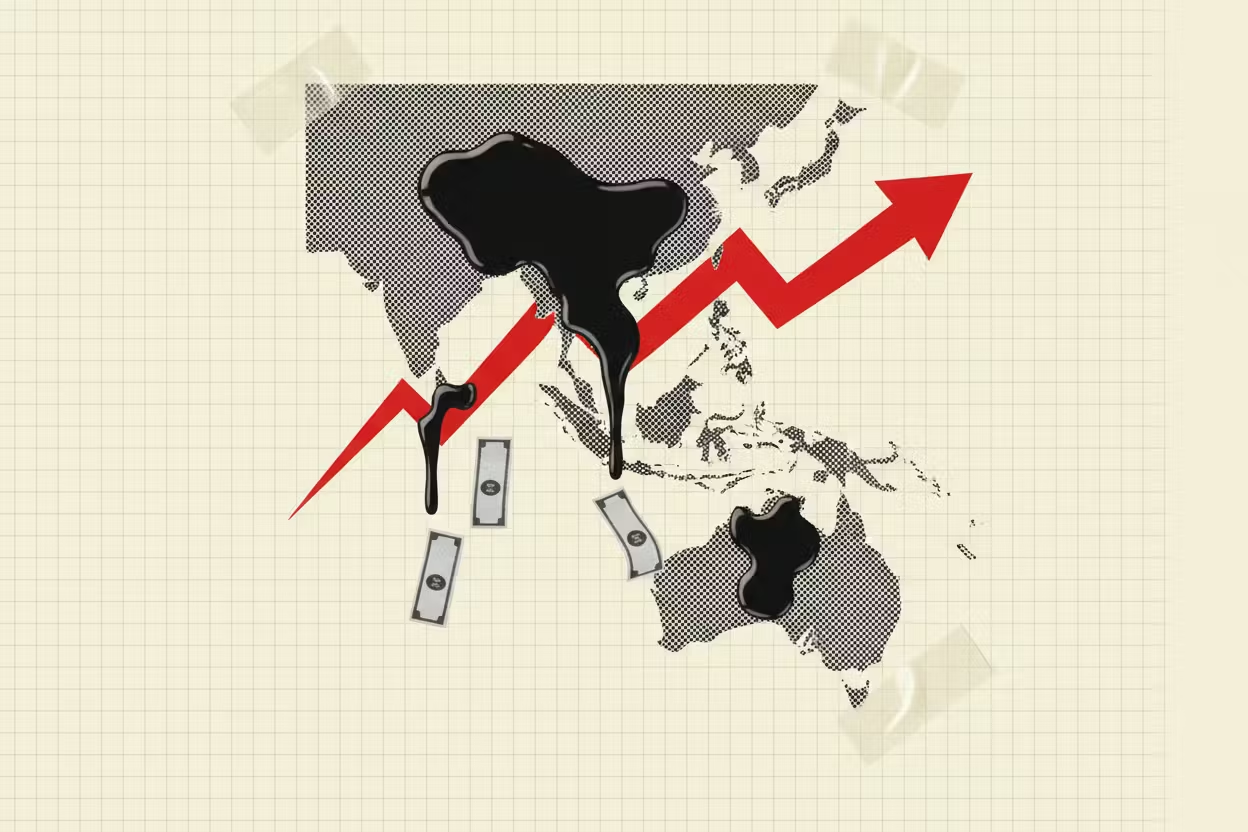
Rising crude tends to punish markets that import fuel and depend on foreign money, because higher energy bills worsen trade balances and can scare off skittish investors. That’s why currencies like Indonesia’s rupiah and the Philippines’ peso can come under pressure even when growth looks fine on paper. Meanwhile, some nearby markets can hold up better if they’re exporters or are seen as steadier – and stocks can still rally on company-specific stories, like chip-driven gains in Taiwan.
The bigger picture: Central banks may have less room to cut rates.
When oil jumps, it seeps into transport and food costs, making inflation harder to tame. That can push central banks to stay hawkish – meaning they keep borrowing costs higher for longer – even if growth cools. For emerging economies, that mix often translates into weaker currencies, pricier imports, and a tougher backdrop for households and businesses alike.


