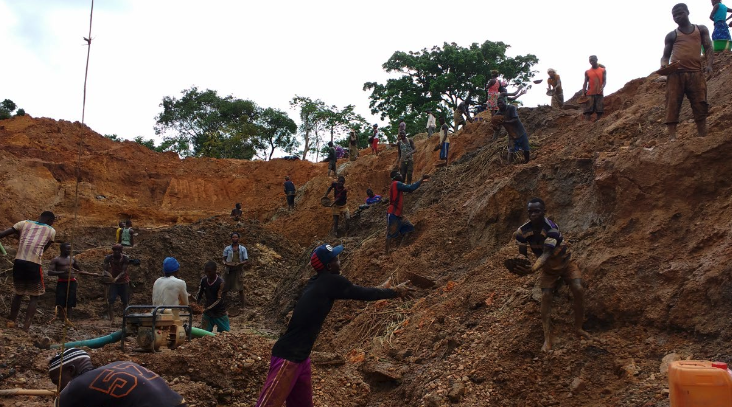
Illicit gold is one of the most consequential criminal markets in the world. The term ‘illicit gold’ applies to a wide range of activities and products: gold that is illicitly mined, processed or traded, as well as legally procured gold used for illicit purposes.
Beyond generating vast illicit profits, illicit gold is a pre-eminent accelerant market, amplifying and sustaining broader criminal economies beyond its own. It finances sanctioned regimes, fuels environmental crime and funds conflict, and, crucially, moves through the same refineries, trading desks and financial institutions as those used by legitimate gold markets, connected by systemic vulnerabilities that criminals exploit.
Drawing on a decade of GI-TOC research into illicit gold markets, this report assesses the current state of the market, systemic vulnerabilities, and emerging threats. The report finds that criminals are not exploiting the margins of the gold sector but are increasingly controlling whole supply chains, including processing plants and logistics networks, and conducting increasingly sophisticated trades and financial transactions that are harder to detect. The structural data gaps that sustain the sector’s opacity obstruct both understanding and responses and must be closed. High international gold prices intensify criminal incentives, but the networks, corruption and structural vulnerabilities enabling illicit gold to persist across price cycles and are structural or systemic in nature.
While discussions of illicit gold often focus on mining, the report demonstrates how the financial sector, including bullion banks and central banks, is highly exposed to illicit gold. Among its recommendations, the report calls for banks, bullion banks and commodity traders to treat gold supply chain due diligence as a core compliance obligation and to not rely on certifications or third parties to undertake checks on the circumstances of gold they buy or trade.
The path forward is feasible but demanding. Responses must reflect the full breadth of the risk: mandatory, enforceable due diligence that goes beyond voluntary frameworks is overdue; third-party assurance schemes must be improved upon with robust internal due diligence processes and auditing with real consequences; and International Bullion Centres, which are influential melting pots for gold trading, must be scrutinized in proportion to their systemic role. These efforts must be complimented by support for a responsible, sustainable ASGM sector, one of the stronger bulwarks against criminal capture and exploitation.
None of this is beyond reach, but it demands that states, industry and the financial sector confront systemic vulnerabilities with greater transparency and accountability.