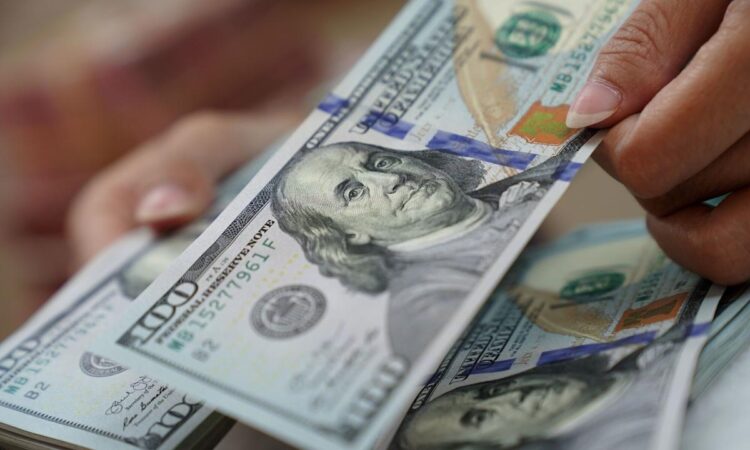
(Bloomberg) — The dollar wraps up Wednesday at the weakest level since February as investors are hopeful of the imminent end to the US-Iran war.
Most Read from Bloomberg
A gauge of the dollar fell 0.6% to the lowest level since Feb. 27 on a closing basis. It bounced back from an earlier intraday low when an Axios report said the White House believes it is close to reaching an agreement with Iran on a one-page memorandum of understanding to end the conflict.
Since that report, a person familiar with the matter said Iran is evaluating the proposal. If a deal is reached, it will lead to the gradual reopening of the Strait of Hormuz and lifting of the American blockade on Iranian ports, that person said.
“Today feels like the most optimistic the market has been in a while that some framework of a peace deal will be forthcoming,” said Alex Cohen, a foreign-exchange strategist at Bank of America Corp. “A key question will be, is this MOU realistic, or is it yet another head-fake? So far, markets have unwound some of the initial enthusiasm that was priced.”
The US currency extended declines into May after wrapping up the worst month since June, weighed down by the initial announcement of the ceasefire in early April. It is now back to levels seen before the US attack on Iran, paring gains from early in the war when investors flocked to safe haven assets.
“With lower oil, weaker dollar and stronger risk assets, markets are pricing in a diplomatic breakthrough that is not yet supported by Iranian rhetoric or signaling,” said Aroop Chatterjee, a strategist at Wells Fargo. “We think any diplomatic progress will be slow and so market optimism is at risk of unwinding.”
What Bloomberg Strategists Say…
“The relative resilience of US growth and activity suggests that expectations for a sustained and material dollar decline are premature. That’s starting to create more relative opportunities across FX, where peers are contending with their own constraints.”
— Brendan Fagan, FX Strategist, Markets Live
For the full analysis, click here.
The New Zealand dollar and yen were among top performers of 10 major currencies tracked by Bloomberg against the greenback. The yen jumped nearly 2% against the US dollar earlier, sparking speculation that authorities in Japan had stepped into the foreign-currency market.