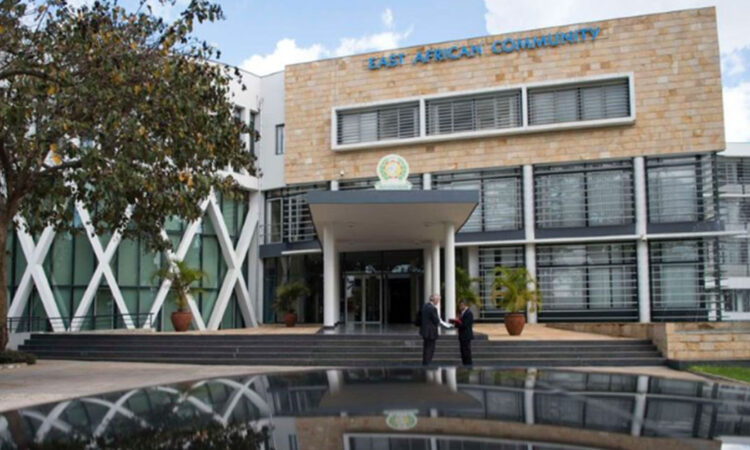
The East African Community (EAC) has set 2031 as the new target for launching its long-planned single regional currency, after delays caused by the COVID-19 pandemic and wider economic challenges. EAC officials said preparations are continuing, with a phased rollout expected once member states, including Kenya, Uganda, and Tanzania, meet the required economic convergence criteria.
The foundation for the currency integration was laid out over a decade ago when member states signed the Protocol on the Establishment of the East African Community Monetary Union. While it originally targeted a 10-year implementation window (ending in 2024), structural delays and incomplete convergence criteria forced regional ministers and technocrats to formally push the target date back
The common currency is expected to make cross border trade easier and strengthen regional economic integration. The eight-nation bloc is also fast-tracking confederation constitution discussions, according to its officials.
The EAC has already adopted a single passport designed to ease movement, boost regional trade, and foster integration among its members. The upcoming common currency is expected to expedite progress made under the seventh EAC Development Strategy, which covers the coming five years.
From The Reporter Magazine
The strategy prioritizes trade integration, digital transformation, regional infrastructure, social development, climate resilience, and progress toward a single currency.
Anchored in Vision 2050, Agenda 2063, and the Sustainable Development Goals, the strategy shifts the focus from recovery to long-term transformation through a people-centered, market-driven approach that promotes innovation, inclusion, and institutional strengthening, according to EAC officials.
Before the single currency can materialize, member states (including Kenya, Tanzania, Uganda, Rwanda, Burundi, South Sudan, the DRC, and Somalia) must meet the macroeconomic convergence criteria set by the EAC.
From The Reporter Magazine
These targets include an eight percent ceiling on headline inflation, a fiscal deficit capped at three percent of GDP, gross public debt capped at half of GDP, and sufficient forex reserves to cover at least 4.5 months of imports.
Officials say the establishment of supporting regional bodies, like the East African Monetary Institute (precursor to an envisioned regional central bank), is already underway.