
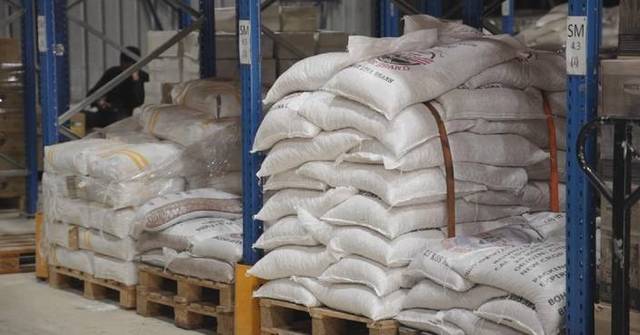
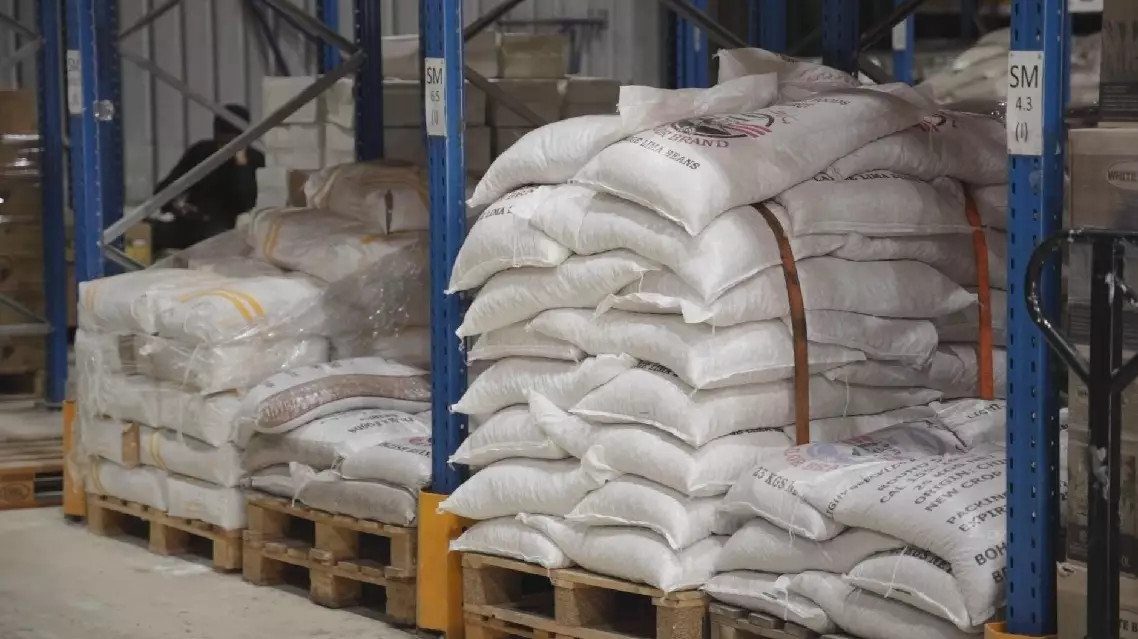
The incessant regional conflict and a collapsing local currency have severely aggravated a food crisis in Lebanon as the country relies almost entirely on imports for basic staples.
Global oil price volatility is taking a big toll on Lebanese food importers. With a weakened Lebanese pound eroding purchasing power, the already fragile supply chains are under increasing strain.
An UN-backed report released last month showed that an estimated 1.24 million people in Lebanon, roughly one quarter of the country’s population, are expected to face food insecurity levels of crisis or worse from April to August 2026. This marks a sharp deterioration from the previous survey period of November 2025 to March 2026, when an estimated 874,000 people experienced acute food insecurity.
“Our operating costs have risen by about five to seven percent [due to rising oil prices.] Exporters around the world are seeing similar increases. Taken together, the net increase in import costs reaches 10 to 15 percent,” said Hani Bohsali, president of the Syndicate of Food Importers in Lebanon.
Local agricultural production has also suffered a massive blow. Since 2023, relentless warfare in southern Lebanon has destroyed an estimated 52,000 hectares of farmland, accounting for about 22 percent of the country’s total arable land. Furthermore, 77 percent of farmers in the region have been displaced, and nearly 80 percent have ceased production, deepening the food crisis.
The UN Food and Agriculture Organization (FAO) says it is providing seeds and fertilizer to farmers in areas not yet affected by the fighting by helping them boost production, reduce costs, and stabilize food supplies.
“Speed matters. It’s important for the farmers not to miss agricultural season, and also to be able to produce, because if they don’t, the impact will a long-term impact,” said Nora Ourabah Haddad, FAO representative in Lebanon.
In a country so heavily dependent on external food supplies, any vision of food security remains vulnerable to the flames of war. An immediate and sustained ceasefire is what Lebanon urgently requires to ensure that its population is fed.
Incessant regional conflict, collapsing currency deepen food crisis in Lebanon
Incessant regional conflict, collapsing currency deepen food crisis in Lebanon
Incessant regional conflict, collapsing currency deepen food crisis in Lebanon
The central parity rate of the Chinese currency renminbi, or the yuan, weakened 15 pips to 6.8502 against the U.S. dollar Friday, according to the China Foreign Exchange Trade System.
In China’s spot foreign exchange market, the yuan is allowed to rise or fall by 2 percent from the central parity rate each trading day.
The central parity rate of the yuan against the U.S. dollar is based on a weighted average of prices offered by market makers before the opening of the interbank market each business day.
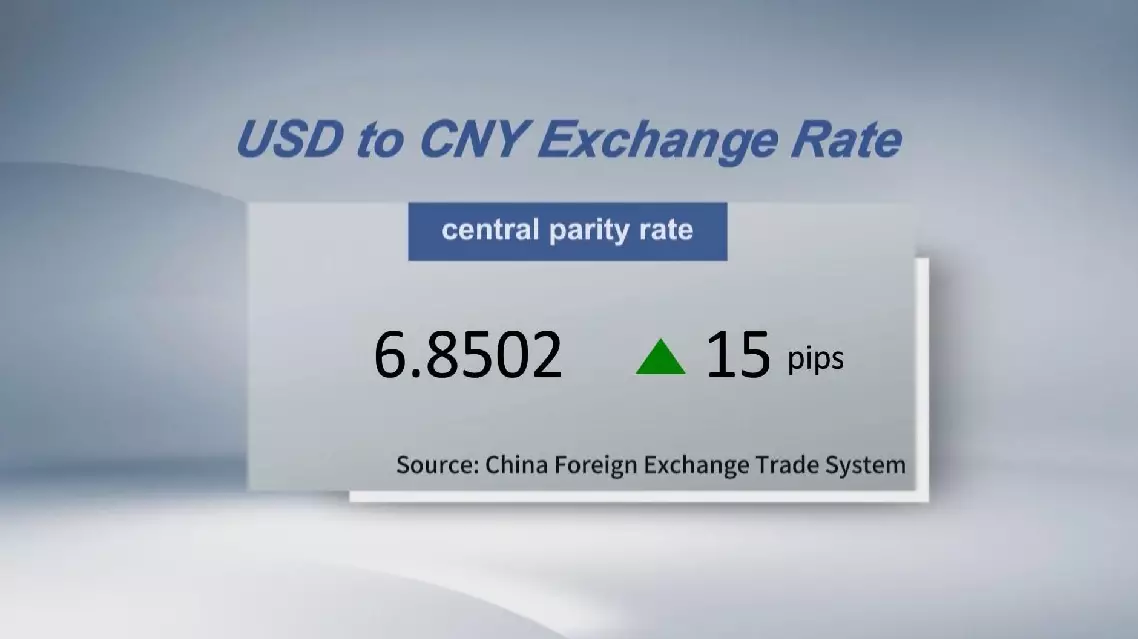
Chinese yuan weakens to 6.8502 against USD Friday


