
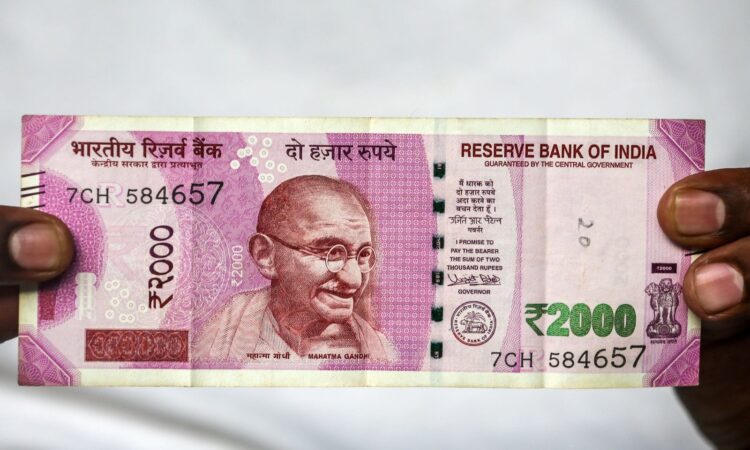
New Delhi, India – The Indian rupee plunged on Tuesday, breaking the psychologically important 96 rupee level against the US dollar. This came under direct pressure from the sharp rise in global oil prices following the US reimposition of its naval blockade on Iran. Tensions in the Strait of Hormuz also escalated.
Energy pressures hit the Indian currency
The Indian rupee fell 0.56% to 96.16 against the dollar, its lowest level since late May. This decline erases the gains the rupee made in June thanks to the government’s stimulus package. Analysts attribute the drop to the Indian economy’s extreme sensitivity to energy prices. New Delhi imports about 90% of its oil needs. Crude oil prices have surged past $84.80 a barrel, an increase of more than 10% since the beginning of the week. This comes amid US sanctions and the imposition of additional 20% tariffs on goods transiting the Strait of Hormuz.
Wholesale price inflation catches markets off guard
The currency crisis coincided with worrying government data showing that wholesale price inflation in India was accelerating, nearing the 10% mark. The annual wholesale price index rose by 9.87% in June, exceeding analysts’ expectations of a slowdown to 9.15%.
The main drivers of inflation were wholesale food prices, which jumped 6.14% year-on-year, making them the primary driver of inflationary pressures. Fuel and energy prices, while showing a relative slowdown with a 27.41% increase in June compared to 30.33% in May, still had a significant impact on costs. Furthermore, prices for manufactured goods remained stable at 7.48%.
Negative repercussions on financial markets
The repercussions weren’t limited to the currency and inflation; they extended to financial markets as well. The benchmark Nifty 50 stock index fell by approximately 0.5%, while the yield on 10-year government bonds rose by 5 basis points. Experts also warn that persistently high oil prices will leave Asian currencies, particularly the Indian rupee, vulnerable in the coming period. This will further limit the options available to monetary policymakers in New Delhi as they attempt to balance supporting growth with combating high inflation.


