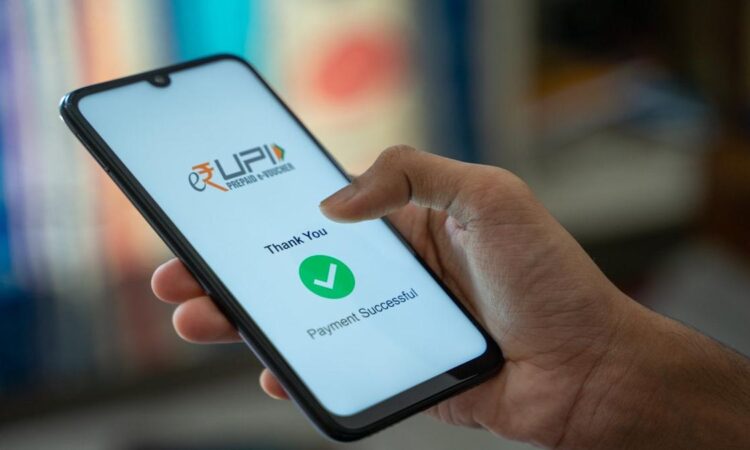
India and Nepal have launched a peer-to-peer (P2P) cross-border remittance mechanism to support instant transfers between the two countries.
The initiative went live earlier this month and was announced on Thursday (11 June) by India’s finance ministry.
The new arrangement links India’s Unified Payments Interface (UPI) with Nepal’s National Payments Interface (NPI). The direct connection allows users in both markets to send money in real time through mobile banking applications and digital wallets.
The technical integration was implemented through collaboration between NPCI International Payments Limited (NIPL), the international arm of the National Payments Corporation of India, and Nepal Clearing House Limited (NCHL).
In the statement, the Indian Ministry of Finance said: “The UPI-NPI linkage represents a major advancement in financial inclusion, fostering stronger economic and digital ties between India and Nepal.
“This aligns perfectly with regional goals for accessible, safe, and affordable cross-border payments, reinforcing longstanding social and economic bonds.”
The ministry added the corridor is expected to be used by travellers and individuals making cross-border transfers. It is expected to reduce the need for currency exchange and carrying cash.
For merchants, the linkage will widen payment acceptance options for Indian visitors in Nepal. It may also help reduce cash handling and enable real-time settlement through digital channels.
UPI, India’s instant payment system launched in 2016, is currently accepted in nine countries: Singapore, the United Arab Emirates, France, Mauritius, Nepal, Bhutan, Qatar, Sri Lanka and Cambodia.
Earlier this year, India also announced plans to extend UPI’s international reach to Israel. The two sides agreed to explore linking UPI with Israel’s fast payment system to improve interoperability.
“India, Nepal enable instant P2P remittances” was originally created and published by Electronic Payments International, a GlobalData owned brand.
The information on this site has been included in good faith for general informational purposes only. It is not intended to amount to advice on which you should rely, and we give no representation, warranty or guarantee, whether express or implied as to its accuracy or completeness. You must obtain professional or specialist advice before taking, or refraining from, any action on the basis of the content on our site.