
Geopolitical Storm Clouds Gather
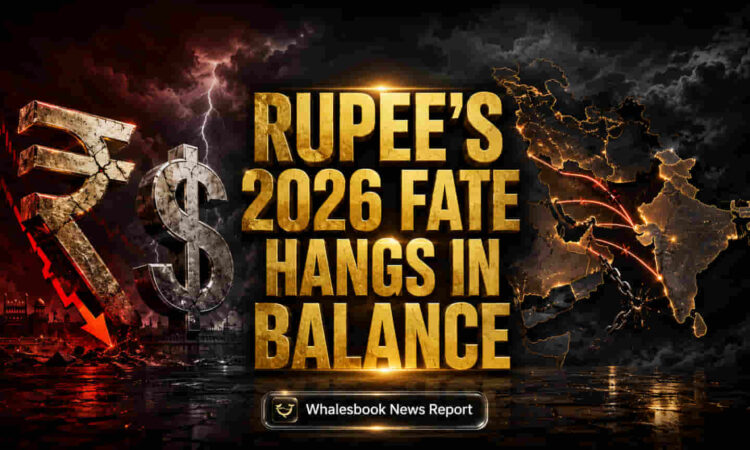
The Indian Rupee is expected to trade in a defined range, predicted to hover around ₹95 against the US dollar by the end of 2026. This outlook depends on balancing rising geopolitical tensions from the Iran conflict against the Reserve Bank of India’s (RBI) ability to intervene in currency markets. The conflict has already pressured emerging market currencies, causing the rupee to fall 4% between March and April 2026. The RBI has intervened before to stabilize the currency, and the extent of future actions will shape the rupee’s path. The central bank holds large foreign exchange reserves, reported at $698.49 billion as of April 24, 2026, which offer substantial backing to manage outflows and counter devaluation risks.
Remittances and Outflows: Key Pressures
The Iran conflict also poses a risk through potential disruptions to money sent home from Gulf countries. Around 38% of India’s remittances come from this region, a vital source that contributes about 1% to the nation’s GDP. If incomes for Indian workers in the Gulf are severely affected, India’s trade deficit could grow beyond the expected 1.3% of GDP for the fiscal year. In 2025, India received a record $135 billion in remittances, with almost 40% from GCC nations. This reliance means remittance flows are a key, often overlooked, factor for currency stability. Additionally, increased global investor caution is expected to continue driving money out of emerging markets like India, adding pressure on the rupee. In March 2026, capital outflows from India hit $13.4 billion, the largest monthly figure since the pandemic. This global shift away from emerging markets due to uncertainty contrasts with previous forecasts of money moving into these regions.
Past Shocks and Peer Performance
The rupee’s 10% drop over the last year is similar to challenging times in January 2022-December 2022, when higher US dollar interest rates made it more attractive. During that past period, the RBI’s strong intervention reduced foreign reserves by 13%. Today, however, reserves are higher, allowing for more intervention. Other emerging market currencies have performed differently; the Mexican peso and South African rand gained value in 2025, while the Indian rupee fell 4.8% due to internal issues and money flowing out. The MSCI Emerging Markets Index, which includes India, has been volatile, influenced by global events and investor sentiment. Currently, a strong dollar usually weakens emerging currencies, while a weaker dollar can encourage investment in riskier assets. The RBI’s large reserves provide some protection, preventing the steep drops seen in other emerging currencies during times of global investor fear.
Remaining Risks for the Rupee
Although the RBI’s ability to intervene and its healthy reserves offer support, the Indian Rupee’s stability remains precarious. The main danger comes from combined geopolitical shocks and their ripple effects. The Iran conflict presents a double risk: direct impact through potential energy supply issues and indirect impact via remittance flows from the Gulf. If the conflict continues and significantly harms Gulf economies, remittances could drop by as much as 30%. This would not only expand the trade deficit but also shrink a key source of foreign currency, potentially straining even large reserves. Moreover, high global policy uncertainty, driven by ongoing conflicts and trade disagreements, is likely to keep new investments into India low. The RBI has previously sold billions to protect the rupee, such as $3.6 billion in April 2025 to limit its fall, showing the constant need for active management. India’s foreign exchange reserves, though large at $698.49 billion in April 2026, have dropped from a peak of $728.49 billion in February 2026, signaling ongoing market intervention to control volatility. Constant monitoring is crucial, as a long conflict or a sudden drop in global investor confidence could quickly shift the rupee from a steady range to a sharp decline.
Disclaimer:This content is for educational and informational purposes only and does not constitute investment, financial, or trading advice, nor a recommendation to buy or sell any securities. Readers should consult a SEBI-registered advisor before making investment decisions, as markets involve risk and past performance does not guarantee future results. The publisher and authors accept no liability for any losses. Some content may be AI-generated and may contain errors; accuracy and completeness are not guaranteed. Views expressed do not reflect the publication’s editorial stance.


