
Is India set to get plastic currency notes? How polymer banknotes differ from paper currency – Firstpost
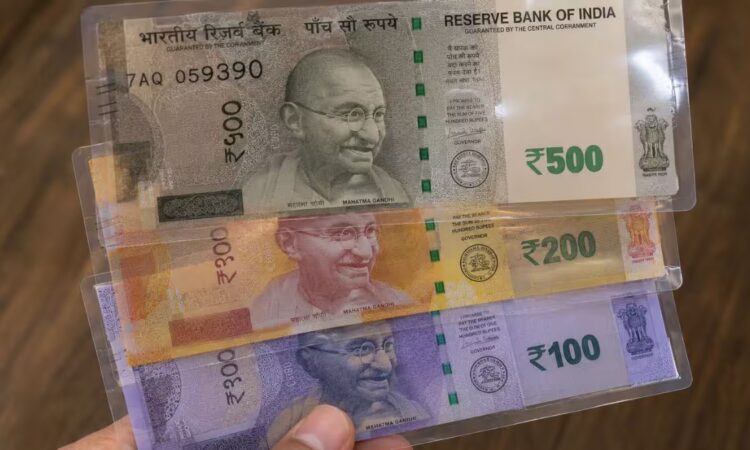
India may soon get plastic currency notes. This development comes on the heels of the Reserve Bank of India (RBI) planning to roll out its decade-old plan to introduce polymer banknotes into circulation.
The pilot project is expected to begin with smaller denomination notes such as the Rs 10 and Rs 20, and based on the results of the trial, the central bank will move forward with a full-scale rollout from 2027, NDTV Profit reported, citing sources.
The move was discussed at the RBI’s last two board meetings, held in Patna and Mumbai. The decision has been taken in light of the surge in the cost of printing paper and the longer shelf life of such currency notes.
It is pertinent to note that the introduction of plastic banknotes will not replace the existing paper currency. Polymer and paper banknotes will coexist. While new plastic notes get launched in the market, the current paper notes will remain in circulation.
We take a look.
What are polymer banknotes?
These currency notes are printed on a thin, flexible plastic material and not on the cotton-based paper used primarily used in conventional currency.
Despite the “plastic” label, these notes are not as rigid as credit or debit cards. The polymer banknotes are lightweight and easily foldable. They can be handled as smoothly and in the same way as paper notes.
According to a Mint report, over 60 nations have introduced
polymer banknotes. Some have launched them either fully or partially into their monetary systems. Australia became the first to issue a polymer ten-dollar note in 1988.
Romania was the first European country to adopt plastic notes in 1998. Other countries include: Canada, the United Kingdom, Singapore, Malaysia, Thailand, Indonesia, Romania, New Zealand and Vietnam.
How is it different from paper currency?
Polymer banknotes are different from paper notes in terms of durability – their principal advantage. Polymer notes last longer in circulation and are more resistant to moisture, dirt and wear and tear.
In simple words, these notes can be used for a longer period before becoming too damaged to use. These notes can feature enhanced security measures such as transparent windows, micro-optic holograms, and specialised inks, making them more difficult to counterfeit.
Unlike paper notes, Polymer notes suffer less damage and last longer, which forms the primary reason for the central bank to switch to plastic.
Why is the RBI bringing plastic notes now?
The timing of the move shows a sharp rise in both currency printing costs and the volume of notes being damaged and discarded.
Business Standard reported that expenditure on printing currency notes climbed to Rs 6,372.8 crore in the financial year ending March 2025. This figure was up from Rs 5,101.4 crore the previous year, mainly due to an increase in the demand for banknotes.
Soiled note disposal has also risen. In FY25, around 23.8 billion soiled banknotes were removed from circulation, marking a 12.3 per cent increase from the 21.24 billion pieces withdrawn in the previous year.
The report also noted that among the soiled notes, the Rs 500 denomination had the largest share, followed by Rs 100 notes.
As online payments continue to grow, the demand for physical cash has not nosedived. As of May 15, notes in circulation rose to a record high of Rs 42.86 trillion. Within the first six weeks of FY27, currency in circulation expanded by Rs 1.15 trillion, Mint reported.
Has India introduced plastic notes before?
This is not the first time India is attempting to launch polymer currency. In 2012, the then UPA government granted a field trial of one billion Rs 10 plastic banknotes across five cities, including Kochi, Mysore, Jaipur, Bhubaneswar and Shimla.
The goal of the introduction was to extend the shelf life, and not to combat counterfeiting. The decision could not be fully implemented due to technological challenges, such as issues with handling the notes and with ATMs’ ability to identify them.
However, things have changed over the past few years, and those constraints have since been resolved. Sources familiar with the matter said available technology can ensure ATMs process plastic notes without difficulty.
With inputs from agencies


