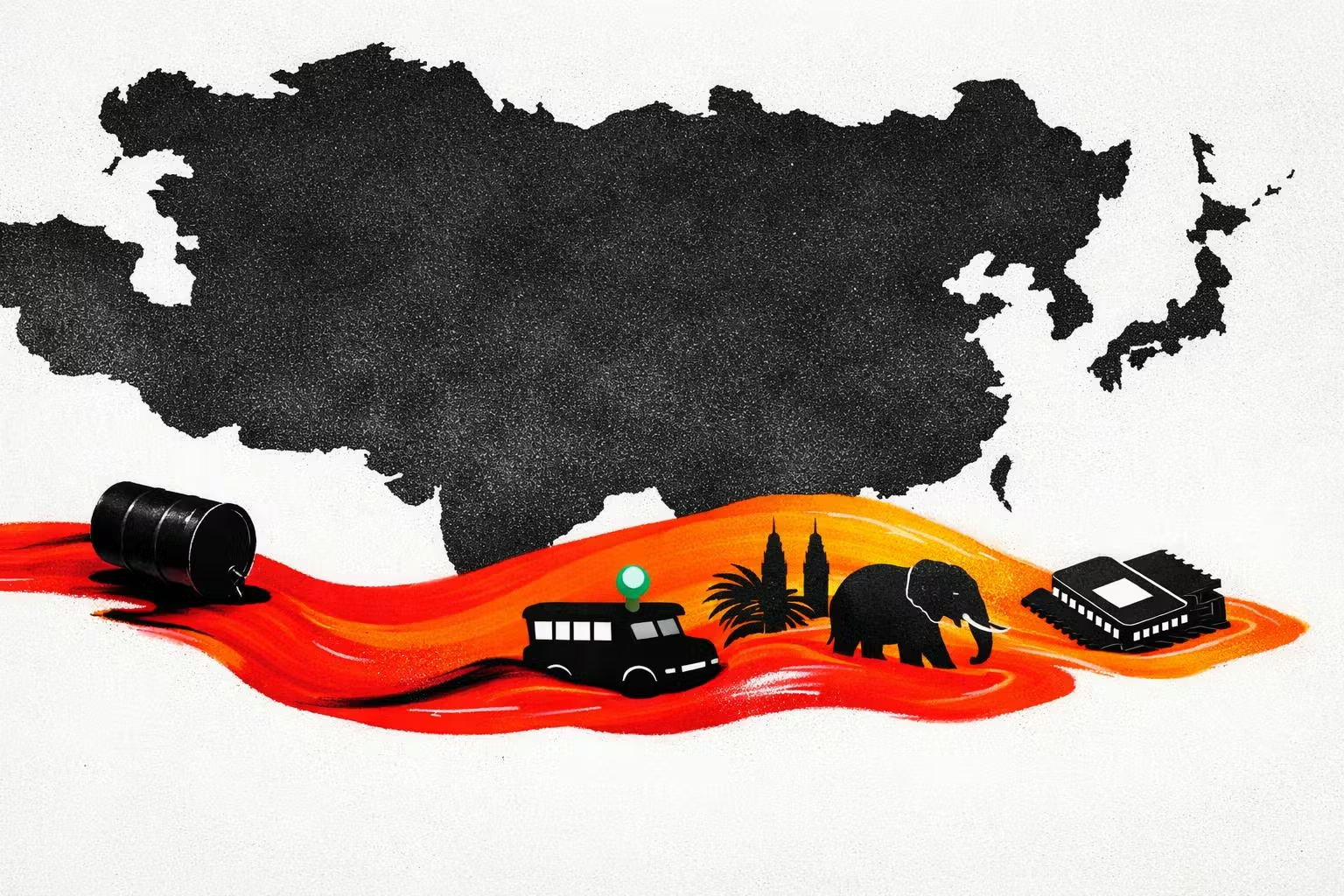
Malaysia’s ringgit, Thailand’s baht, and South Korea’s won also weakened, while equities in tech-heavy markets like South Korea and Taiwan fell as investors weighed the risk that “second-round” inflation effects eventually crimp demand.
Why should I care?
For markets: An oil spike makes dollar strength sting more.
Higher oil and a firm US dollar tend to hit net energy importers twice – larger import bills and more inflation risk at the same time. Even if the Fed is on hold, sticky inflation keeps US yields elevated, which can pull capital away from emerging-market assets when volatility jumps. Markets with bigger external funding needs and fuel subsidies can feel the pressure first, showing up in weaker FX, higher bond yields, and lower rate-sensitive stocks.
The bigger picture: Central banks may have to choose their pain.
If oil stays high, policymakers face a tough trade-off: defend growth with easier policy, or defend currencies and inflation expectations with tighter settings. Thailand’s central bank has flagged that a prolonged conflict could shave growth, but persistent energy-driven inflation can also spread into wages, services, and corporate margins. The longer it lasts, the more it can reshape budgets, trade balances, and rate paths across the region.