RBI says proposal for polymer currency notes is under consideration as the central bank studies their benefits, costs and feasibility.
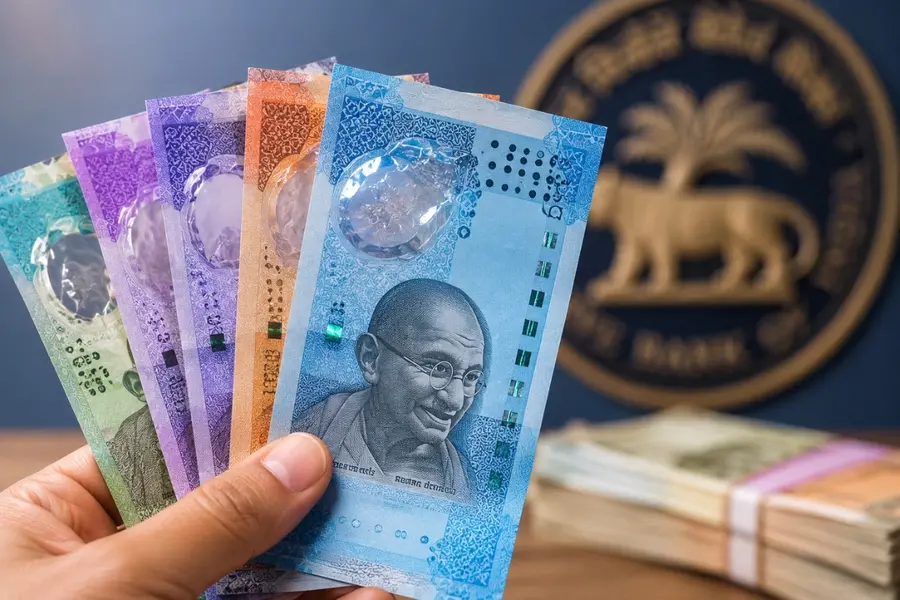
The Reserve Bank of India (RBI) is examining whether polymer, or plastic, currency notes should be introduced in the country, with Governor Sanjay Malhotra confirming that the proposal remains under consideration and no final decision has been taken yet.
RBI Governor Sanjay Malhotra said the central bank is evaluating the possibility of introducing polymer currency notes in India. Speaking after the latest monetary policy announcement, he clarified that the proposal is still at a preliminary stage.
According to Malhotra, the RBI is currently examining the advantages and disadvantages of polymer notes before deciding whether such a move would be practical and beneficial.
No final decision yet
The governor stressed that reports suggesting polymer notes are on the way contain only partial truth, as the RBI has not approved the proposal.
He said the central bank will inform the public if and when a decision is taken, adding that officials are still assessing whether the switch would be worthwhile.
What are polymer currency notes?
Polymer notes are banknotes printed on a thin synthetic material known as biaxially oriented polypropylene (BOPP) rather than traditional cotton-based paper.
Despite being made from plastic, they are flexible, lightweight and foldable, making them feel similar to conventional paper currency in everyday use.
Why are many countries using them?
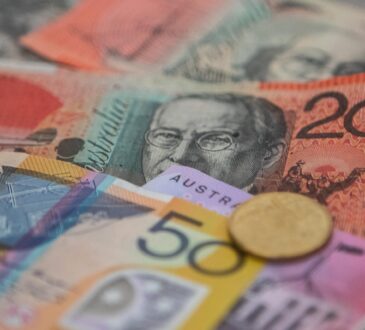
Several countries, including Australia, Canada, United Kingdom and Singapore, have adopted polymer banknotes.
Supporters of polymer notes argue that they:
- Last significantly longer than paper notes
- Are more resistant to water, dirt and tearing
- Include advanced anti-counterfeiting features
Reduce replacement costs over time despite higher printing expenses
India tested the idea before
The concept is not new for India. In 2014, the government informed Parliament that one billion polymer ₹10 notes would be introduced as part of a field trial.
The proposed pilot project covered five cities selected for different climatic conditions:
- Kochi
- Mysore
- Jaipur
- Shimla
- Bhubaneswar
However, the initiative was later put on hold because of technological and operational challenges.
Could smaller denominations be targeted first?
If India eventually moves ahead with polymer currency, lower-denomination notes that experience heavy circulation and wear may be considered first. Such notes often require frequent replacement, resulting in significant printing and distribution costs.
A longer-lasting alternative could help reduce the number of damaged notes withdrawn from circulation every year.
RBI assures adequate cash supply
Alongside the discussion on polymer notes, the RBI also reassured the public that there is sufficient currency available in the banking system.
Malhotra said the central bank has adequate stocks to replenish ATMs and bank branches and promised that any localised cash shortages would be addressed quickly.
Why this matters
The RBI’s review reflects a broader effort to modernise India’s currency management system. While polymer notes offer potential benefits in durability and security, the central bank must also weigh production costs, infrastructure requirements and operational challenges before making a final decision.
For now, the proposal remains under study, and India will continue using traditional paper-based currency while the RBI evaluates whether plastic banknotes are the future of cash in the country.
Published: 05 Jun 2026, 06:58 pm IST
Subscribe to our Newsletter
Disclaimer: Kindly avoid objectionable, derogatory, unlawful and lewd comments, while responding to reports. Such comments are punishable under cyber laws. Please keep away from personal attacks. The opinions expressed here are the personal opinions of readers and not that of Mathrubhumi.