


The Indian rupee has weakened to a record low of around 95.40 against the US dollar, as multiple global and domestic pressures converge. The currency’s slide reflects a mix of elevated oil prices, geopolitical risks and limited capital support.

Oil prices surge, widen external gap | A sharp rise in crude oil prices remains the primary driver of the rupee’s weakness. Brent crude has climbed to near $110–115 per barrel since the escalation of the U.S.–Iran conflict, significantly increasing India’s import bill. This has led to persistent dollar demand from oil companies, putting sustained pressure on the currency.

Geopolitical tensions keep markets on edge | Renewed military exchanges in the Gulf, particularly around the Strait of Hormuz, have heightened fears of supply disruptions. The tensions have dampened risk appetite globally and reinforced uncertainty, keeping oil prices elevated and financial markets volatile.

Stronger dollar amid risk-off sentiment | Global investors have shifted toward safe-haven assets, boosting the US dollar. A stronger dollar typically weighs on emerging market currencies, and the rupee has been no exception amid the ongoing risk-off environment.
Macro pressures build up | Higher energy costs are straining India’s macroeconomic fundamentals. Economists have raised current account deficit projections, increased inflation forecasts and trimmed growth expectations, reflecting the broader impact of elevated crude prices on the economy.

Persistent dollar demand, skewed hedging | Importers, especially oil marketing firms, continue to buy dollars steadily, while exporters remain cautious on hedging in anticipation of further rupee weakness. This has created an imbalance in the forex market, keeping near-term demand for dollars elevated.

Weak capital inflows limit support | The absence of strong and sustained foreign capital inflows has reduced the buffers needed to stabilise the currency. Intermittent equity inflows have not been enough to offset the pressure from trade-related outflows.
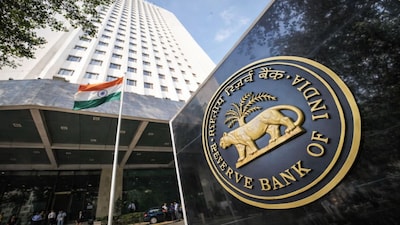
RBI intervention and policy options | The Reserve Bank of India has been actively intervening in the foreign exchange market to curb volatility, including through spot and forward operations. The central bank is also exploring measures to attract dollar inflows, as pressure on the rupee persists.

Pressure seen across Asian peers | The rupee’s decline is part of a broader trend, with other oil-sensitive Asian currencies such as the Indonesian rupiah and Philippine peso also weakening amid rising crude prices and geopolitical uncertainty.
Outlook tied to oil and flows | Analysts expect the rupee to remain under pressure in the near term, with its trajectory closely linked to crude oil prices and capital flows. A sustained easing in oil prices or a pickup in inflows would be key to stabilising the currency.


