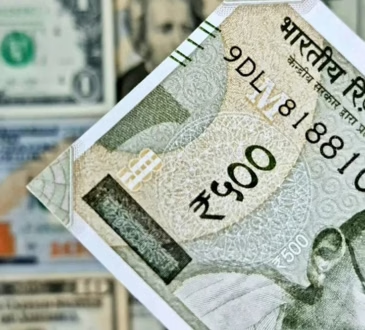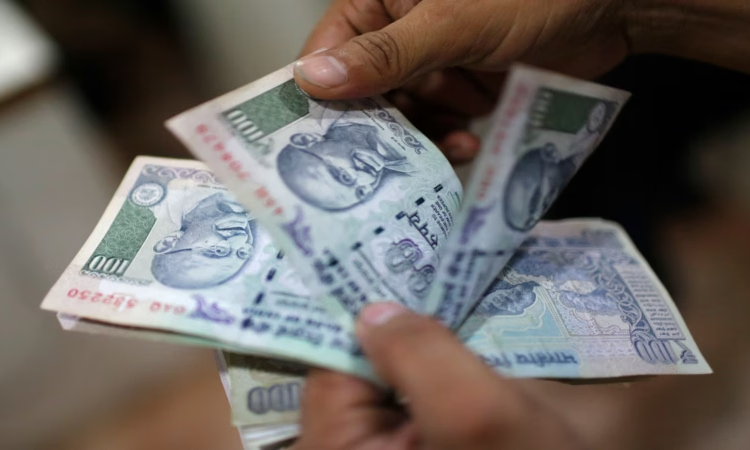
The Indian rupee opened 7 paise lower against the US dollar on Friday, November 27, at 92.52, compared with its previous close of 92.45, as rising crude oil prices put the currency under pressure.
The domestic currency faces a fresh test from higher oil prices, with Brent crude moving above the $96-per-barrel mark amid concerns over potential supply disruptions in the West Asia.
Higher crude oil prices are a concern for India, which depends heavily on imports to meet its energy requirements. An increase in the country’s oil import bill can raise demand for dollars and put pressure on the rupee.
However, continued foreign investor inflows into Indian equities and improving sentiment towards domestic assets could provide some support to the currency.
Foreign inflows provide support
Foreign investors purchased more than $600 million worth of Indian equities on Thursday, according to preliminary data. This took their investments in Indian stocks in November to around $16 billion.
The latest buying has helped offset nearly half of the foreign outflows recorded during the first 10 months of the year.
The shift in foreign investor sentiment towards Indian assets has also been linked to concerns over the sustainability of returns from artificial intelligence-related investments, prompting a rotation of funds towards other markets, including India.
A currency trader at a bank told Bloomberg that the rupee’s recent appreciation, returning foreign inflows and the Reserve Bank of India’s willingness to allow the currency to strengthen have contributed to a change in market perception.
This shift is also visible in the currency options market, where positioning for a rupee appreciation has become more expensive than bets on a decline, the trader said.
Rupee outperforms Asian peers
The rupee has gained around 2.6% so far in November, making it the best-performing currency in Asia this month.
Asian currencies were largely trading in narrow ranges, while regional equity markets were mostly higher alongside US equity futures.
The rupee has also shown a weaker correlation with other Asian currencies in recent sessions, reflecting expectations that a further retreat from AI-linked investments could encourage foreign fund flows into Indian assets.
The currency’s recent strength has come despite the US dollar index hovering near a 22-month high, indicating that domestic factors, particularly foreign investment flows, have played an important role in its recent movement.
For the rupee, the direction of crude oil prices, the sustainability of foreign inflows and broader movements in the dollar will remain important factors to watch.
-With Reuters inputs