Southern Africa expands regional payments system with Angolan kwanza, eyes more currencies
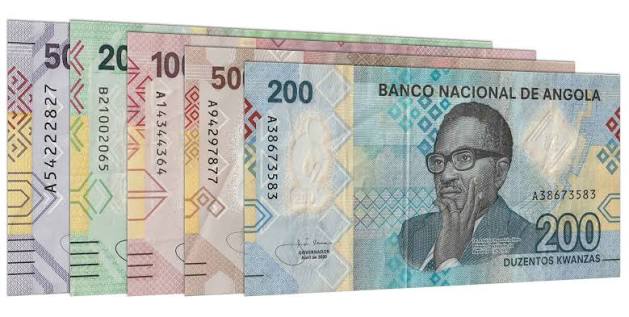
Southern Africa has taken another step toward deeper financial integration after the regional cross-border payments system added the Angolan kwanza as a settlement currency, with plans to include more African currencies as trade within the region expands.
The Southern African Development Community’s (SADC) real-time gross settlement (RTGS) system formally added the kwanza on Monday, marking the first new settlement currency to join the platform since its launch in 2013.
Operated by the South African Reserve Bank (SARB), the system processed about $3.77 billion in trade and interbank transactions across the region in 2025.
The expansion for Africa’s biggest economy is expected to make cross-border payments cheaper and faster by allowing businesses and banks to settle more transactions directly in regional currencies rather than relying on costly correspondent banking networks.
It also supports the African Continental Free Trade Area’s (AfCFTA) objective of increasing intra-African trade by reducing one of its biggest obstacles—the high cost and complexity of cross-border payments.
“We are looking to expand the number of settlement currencies over time,” Arif Ismail, head of the National Payment System Department at the SARB, told reporters in Pretoria, adding that Botswana’s pula and Mozambique’s metical are among the currencies under consideration.
Lesetja Kganyago, South African Reserve Bank governor, described the inclusion of the kwanza as a milestone for regional financial integration.
“The introduction of the Angolan kwanza demonstrates regional integration in action,” Kganyago said during a joint briefing with Banco Nacional de Angola Governor Manuel Tiago Dias.
“It strengthens regional financial connectivity and shows that Africa can build sophisticated financial market infrastructure that responds to African priorities.”
The SADC-RTGS system was established in 2013 to enable real-time settlement of cross-border transactions among the bloc’s member states, replacing more expensive correspondent banking arrangements that previously dominated regional payments.
The platform now connects the central banks of the region, with 15 member states and 89 participating banks, enabling businesses and financial institutions to settle transactions more efficiently across borders and paving the way for greater use of local currencies in regional trade.
According to SARB data, trade and interbank transactions involving Angola and the other 14 SADC member states totalled approximately $3.77 billion across nine currencies in 2025.
South Africa accounted for nearly $2.99 billion of those transactions, representing about 60 per cent of payment volumes and 79 percent of the total transaction value, underscoring its dominant role in regional trade and payments.
The payments reforms also align with the country’s priorities during its G20 presidency, where improving cross-border payments has been identified as a key pillar of global financial reform.
Kganyago said achieving that goal would require greater interoperability between payment systems and stronger regulatory coordination across sub-Saharan Africa.
The SADC platform is one of several initiatives aimed at modernising Africa’s payment infrastructure. Alongside the Pan-African Payment and Settlement System (PAPSS) and the AfCFTA Protocol on Digital Trade, it reflects a broader push by African policymakers to enable more trade to be settled in local currencies, reducing dependence on the US dollar and other foreign currencies while improving the efficiency of regional commerce.
The urgency of those reforms is underscored by the continent’s high transaction costs. Average person-to-person remittance fees in sub-Saharan Africa remain above four percent, far above the G20’s target of reducing average costs to one per cent by 2027, leaving businesses and households paying some of the world’s highest fees for cross-border transfers.