
Standard Chartered dismisses de-dollarisation narrative, sees ringgit as Asean outperformer
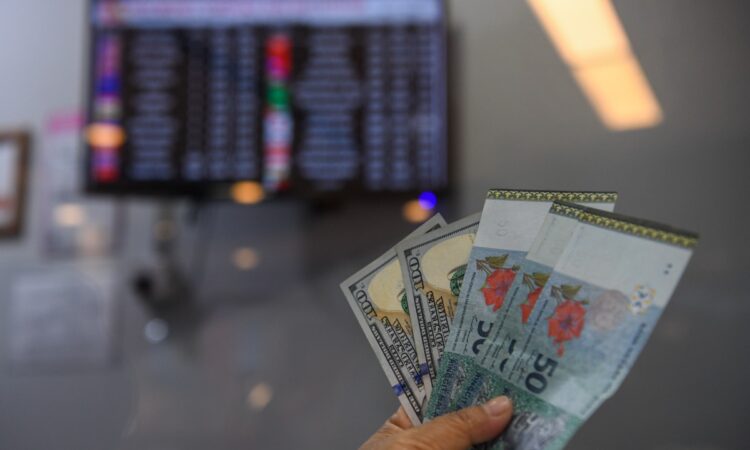
KUALA LUMPUR (July 15): Standard Chartered does not subscribe to the de-dollarisation narrative, arguing that demand for US assets remains strong and that the greenback is likely to strengthen modestly against most major and emerging market currencies in the second half of 2026.
At the same time, Standard Chartered sees the Malaysian ringgit and Singapore dollar as relative outperformers among Asean currencies.
The UK-headquartered bank expects the US dollar to appreciate by around 2% to 3% on average by year end, supported by resilient US economic growth, elevated interest rates and continued foreign demand for US assets, despite persistent concerns over the country’s widening fiscal and current account deficits.
“We have resisted the idea of de-dollarisation as a research team. We have not subscribed to that view and are of the view that de-dollarisation was overstated as a theme. It was not supported by the facts and by the flow and by the data,” Standard Chartered global head of research and chief strategist Eric Robertsen said during the bank’s global research briefing on Wednesday.
Robertsen said the dollar selling that followed last year’s tariff announcements was largely driven by foreign exchange hedging by European investors rather than a structural shift away from the US currency, adding that investors have since reduced those hedges while increasing their holdings of dollar-denominated assets.
Standard Chartered co-head of FX research for Asean and South Asia Divya Devesh said the bank remained “modestly bullish” on the dollar, even as market sentiment has swung sharply over the course of the year.
“For us, the key driver of the dollar is the productivity gains we are seeing in the US. And it’s not just AI-led, but broader productivity gains could translate into better [corporate] earnings, and that should translate into more capital flows going into the US,” he said.
“We actually think we are still in this world where the demand for US assets from foreigners is still very strong, and that is the underlying driver which keeps the dollar quite resilient,” Divya added.
Divya said Malaysia’s status as a net energy exporter leaves the ringgit less exposed to higher oil prices than many regional peers, while robust economic growth and AI-related investments also provide support.
He added that foreign investors remain underweight in Asean assets, reducing the risk of significant capital outflows even if the dollar remains firm, while the region’s central banks have sufficient foreign exchange reserves and policy tools to maintain orderly currency markets.
“The currencies which I think will perform a little bit worse are largely going to be the commodity importers. So I would think about India, the Philippines, and Thailand, all three are large net commodity importers,” he said.
Standard Chartered chief economist and head of FX for Asean and South Asia Edward Lee said the bank also favours the ringgit because of Malaysia’s improving external position, particularly the return of its services balance to surplus after more than a decade.
“By and large, we like the ringgit, solid fundamentals, balance of payment continually improved. One point that people still miss today is actually the services balance for Malaysia. Over the last three quarters is a surplus after being in deficit for almost 14 years,” he said.
Meanwhile, Robertsen said expectations that the US Federal Reserve will keep interest rates higher for longer, together with continued resilience in the US economy and the prospect of greater market volatility, should continue to support the dollar through the remainder of the year.
The de-dollarisation debate has gained traction in recent months as countries including China and Russia have sought to settle more trade in local currencies, while several central banks have increased their gold holdings and reduced their reliance on the US dollar in reserve management.
Although Robertsen acknowledged that the US budget and current account deficit trajectories are expected to deteriorate further, he argued that investors cannot assess the US in isolation as many other major economies are also facing similar fiscal challenges.
“I don’t think the dollar is going to lose its safe haven status in the near term or the medium term simply because of the budget deficit,” he said, adding that fiscal concerns are increasingly being reflected in government bond yields rather than foreign exchange markets.


