
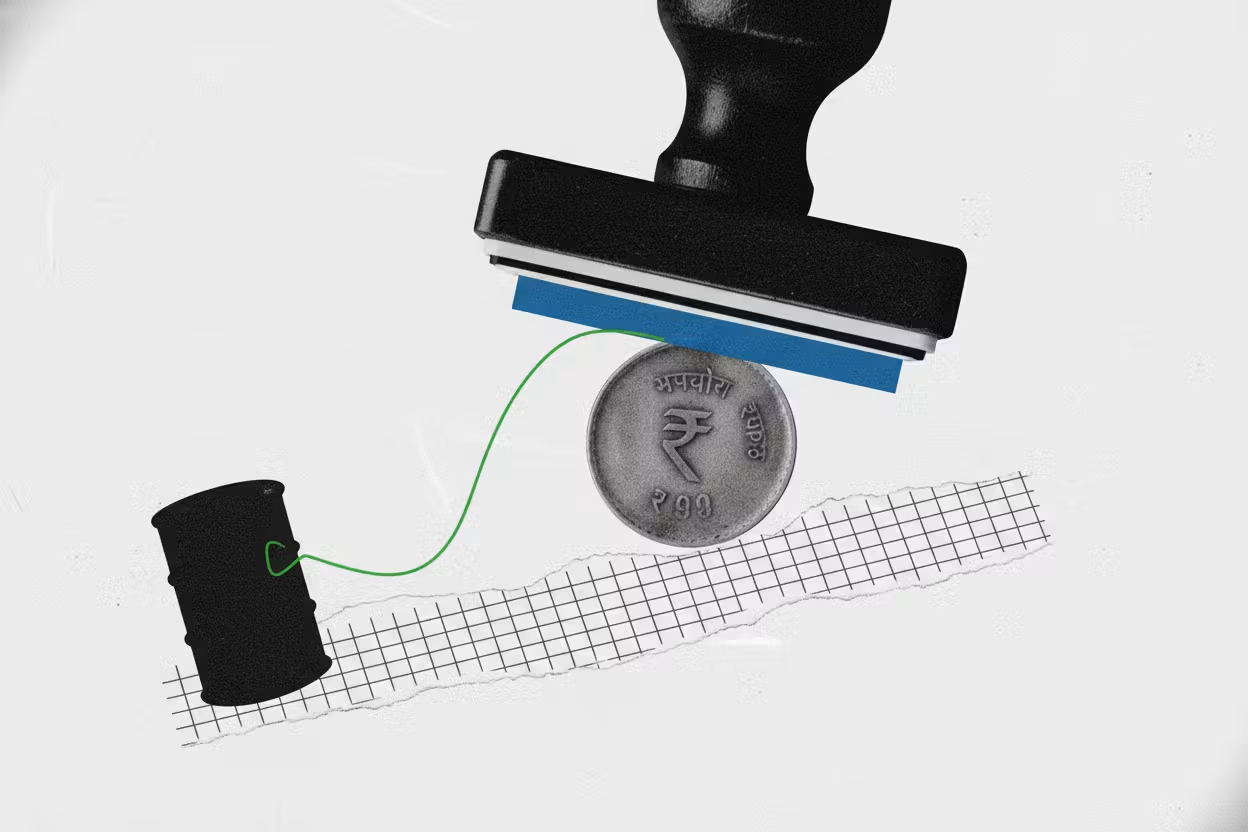
ave been soft, which tends to spill into India’s foreign-exchange market. Oil has eased recently, but attention on US-Iran tensions and the Strait of Hormuz matters because any renewed stress there can lift crude prices and raise India’s dollar needs.
Why should I care?
For markets: A stronger rupee can create its own dollar demand.
When USD/INR falls, Indian importers that will need dollars later often lock in exchange rates through hedges – essentially pre-booking future dollar costs. That activity increases demand for dollars in the spot and forward markets, which can cap the rupee’s rebound even if the RBI sold dollars the day before. So traders are watching whether USD/INR can stay below the 96.20–96.30 area without repeated central-bank selling.
Zooming out: India’s currency is tied to the oil-and-dollar cycle.
India imports most of its oil, so a higher crude price usually means a bigger import bill and more ongoing demand for dollars. If the global backdrop turns “risk-off” again – stronger dollar, higher oil, jittery geopolitics – the rupee can face persistent pressure that’s hard to solve with a single intervention. That’s why moves toward 97 per dollar tend to reappear when energy costs and the greenback rise together.


