
When a country’s currency depreciates dramatically against major global currencies such as the US dollar, it frequently reflects underlying economic pressures or external shocks that can affect numerous sectors of the economy.
One of the most direct impacts of a weak currency is an increase in import prices.
Many African countries rely substantially on imported items, such as gasoline, machinery, medications, and some food supplies.
When the domestic currency depreciates, these imports become more expensive in local terms.
These cost increases are frequently passed on to consumers, adding to increased inflation and diminishing household purchasing power.
Currency depreciation has a significant impact on businesses.
Companies that rely on imported raw materials or equipment may find their operational costs rise when the local currency decreases.
This can erode profit margins, cause enterprises to raise prices, and, in some situations, result in lower production levels.
Another key disadvantage of a weak currency is the impact on foreign investment. Investors prefer economies with relatively stable currency values, as big changes might reduce the value of their gains when converted back into foreign currencies.
Persistent depreciation might so discourage both foreign direct investment and portfolio inflows, reducing capital available for infrastructure, technology, and industrial development.
Recent financial market moves demonstrate how global events can have a rapid impact on African currencies.
The South African rand earlier in the month depreciated against the U.S. dollar, as global investors responded to U.S. inflation statistics and Middle Eastern geopolitical issues.
Such external constraints frequently result in capital outflows from emerging markets, putting additional downward pressure on local currencies.
While exchange rate swings are an expected component of global financial markets, sustained currency weakening can have far-reaching effects for an economy.
Currency stability is so critical for many African countries in terms of protecting consumer purchasing power, sustaining investor confidence, and promoting long-term economic progress.
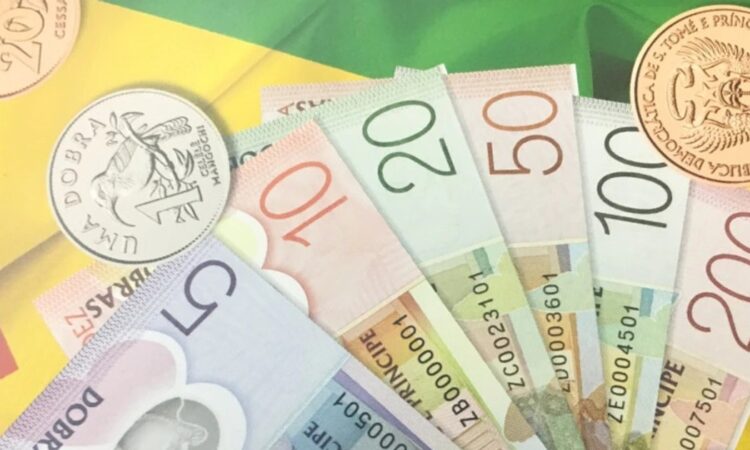
With that said, here are the 10 African countries with the weakest currencies in March 2026, per Forbes calculator.


