
Turkish central bank sold $7 bn in foreign currency as removal of CHP leader, Iran war hit lira
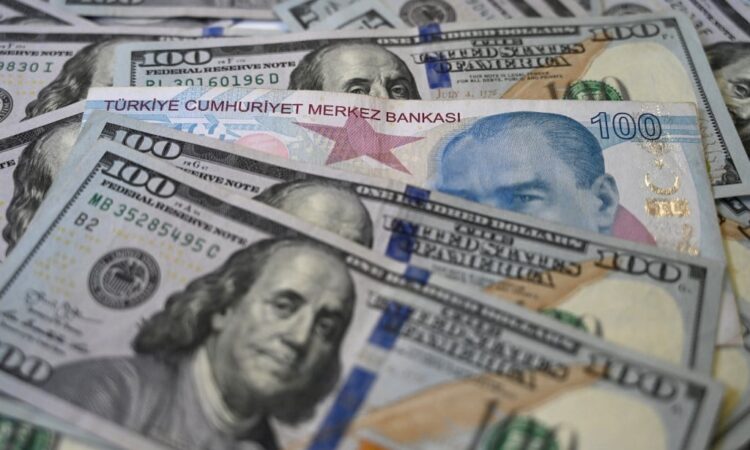
Turkey’s central bank sold an estimated $7 billion in foreign currency to limit market volatility as the ongoing Iran war and a court ruling removing the leadership of the main opposition Republican People’s Party (CHP) fueled demand for foreign exchange, Turkish media reported, citing Reuters calculations based on banking sources.
The reports said about $3 billion of the sales took place after a court annulled the 2023 congress of the CHP, effectively removing its leader, Özgür Özel.
The ruling added political pressure to markets already unsettled by regional tensions involving Iran.
The Turkish Central Bank intervened in foreign exchange markets to limit volatility in the lira, according to the reports.
Reuters calculations cited by the reports showed that the Turkish Central Bank’s net foreign reserves fell by about $5 billion over the week to approximately $47 billion.
The figures do not contradict each other. The $7 billion refers to estimated foreign currency sales, while the $5 billion reflects the change in net reserves, a balance sheet measure affected by other flows, swaps, valuation changes and accounting items.
Net reserves excluding swaps and total reserves, which include gold and foreign currency, were estimated to have fallen by $8.5 billion, according to the reports.
The central banks does not publish daily data on foreign exchange interventions. The figures cited in the reports were based on estimates by banking sources using market transactions, reserve movements and balance sheet calculations rather than official central bank disclosures.
The lira and Turkish assets came under pressure after the court ruling, which deepened a political crisis surrounding the CHP.
The court annulled the party congress at which Özel was elected chairman, a decision his allies described as a judicial intervention in the opposition. The ruling came as the CHP has faced months of legal pressure, including cases targeting party officials and opposition-run municipalities.
Markets had already been under strain because of tensions in the Middle East, where conflict involving Iran has raised concern over energy prices, capital flows and risk appetite toward emerging markets.
Foreign exchange sales by the central bank have drawn close attention in Turkey because official reserves are viewed as a key buffer against financial volatility.
The central bank has in recent years used a combination of interest rate policy, liquidity steps and reserve management to stabilize the lira, which has remained under pressure from high inflation, dollar demand and political uncertainty.


