
Across much of the world, national currencies are under strain. At street level, values evaporate, and confidence collapses, affecting vendors and sellers. Many desperately search for safer alternatives, and some refuse to accept the currency of the land. A national currency that no longer inspires the confidence of its nation erodes citizens’ confidence in the state.
When money loses its meaning as a store of value and a source of stability, people typically turn to the world’s default currency—the US dollar—or gold and other assets that are sought to protect wealth. Yet currencies do not die suddenly. They perish in much the same way trust does: slowly at first, then all at once.
By now, this is a well-worn track, beginning with people quietly saving dollars by converting their salaries, which are typically still paid in the local currency. Later, traders start pricing goods in dollars, even if unofficially. Salaries steadily lose value, and the local currency becomes short-lived money, to be spent quickly before it loses even more purchasing power. This is where dollarisation emerges: the shift towards using the US dollar for savings, pricing, trade, and everyday transactions.
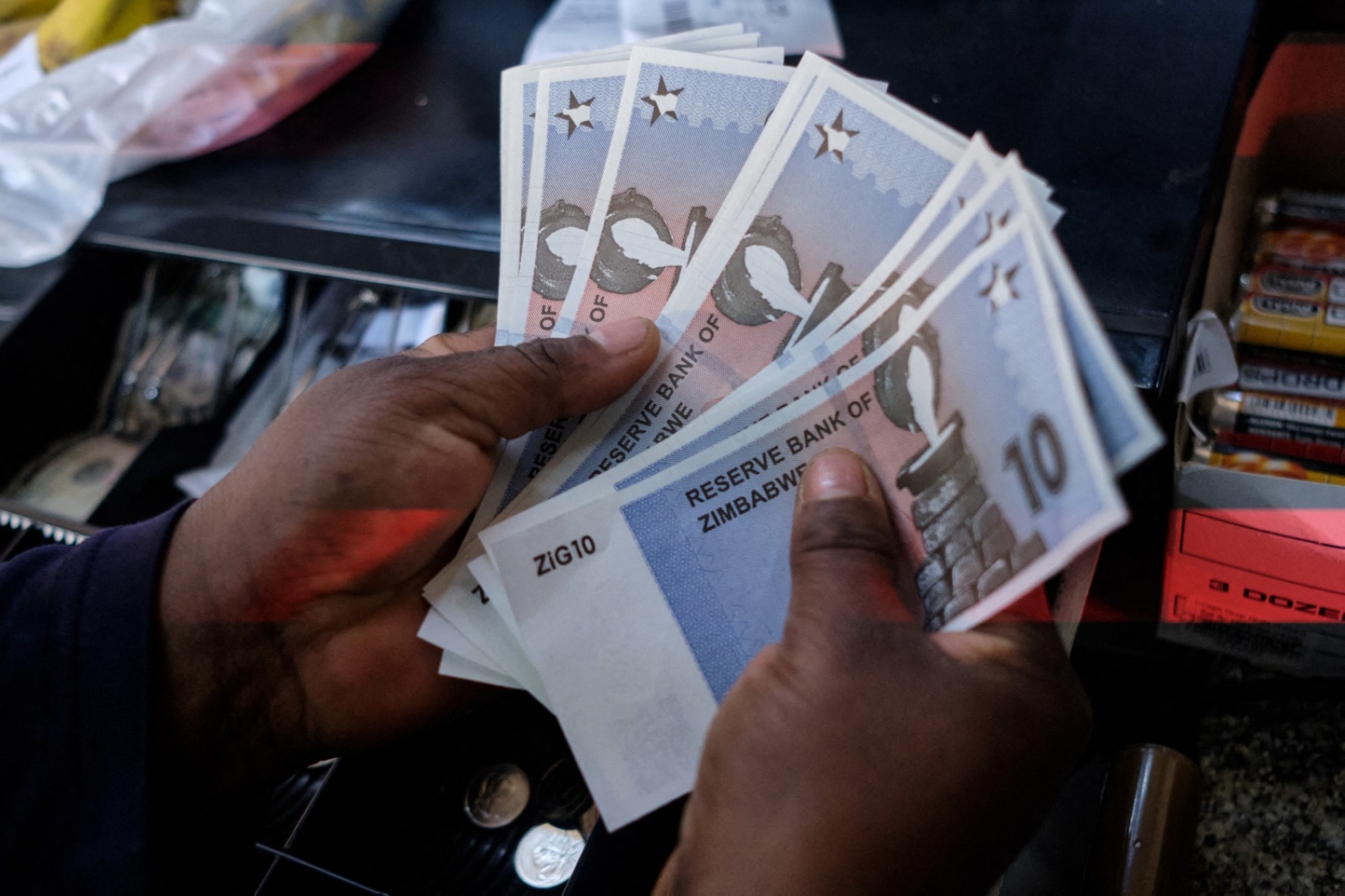
Some countries have officially adopted the dollar, such as Ecuador, Panama, and El Salvador. Elsewhere, dollarisation takes hold not by way of government decree but of state failure, as in Lebanon, Somalia, Venezuela, and Zimbabwe. The distinction matters. Official dollarisation may be an attempt to impose stability, whereas chaotic dollarisation can be an implicit declaration that citizens no longer trust either the currency or those issuing it.
Paradoxically, the dollar continues to strengthen even in countries whose governments publicly oppose American dominance. This happens not only because of the strength of the US economy, but because the dollar rests upon a vast global architecture of trust. It accounts for 58-59% of global foreign exchange reserves, appears in around 88-90% of foreign exchange transactions worldwide, and remains the principal currency used in pricing global trade and energy.
An estimated 60% of all US banknotes in circulation are held outside the United States. In many parts of the world, the dollar is effectively the unofficial local currency. Its strength comes from the institutions, policies, and capabilities behind it: the Federal Reserve, deep American financial markets, the legal system, freedom of capital movement, and the political and military power of the United States.
China, despite its immense economic strength, lacks many of these institutional advantages. This is one reason why the yuan has yet to emerge as a genuine global alternative to the dollar. Dollar dominance grants Washington extraordinary privileges. The world does not merely use dollars; it stores dollar reserves and buys US Treasury bonds with them, effectively financing America’s deficits.
This gives the United States financial and geopolitical leverage unmatched by any other power, and therein lies a striking irony: American sanctions intended to weaken Washington’s adversaries often end up boosting demand for the dollar itself. In countries such as Venezuela, Syria, and Iran, sanctions, instability, and restrictions mean people hoard dollars bought on black markets.
Dollar pegging
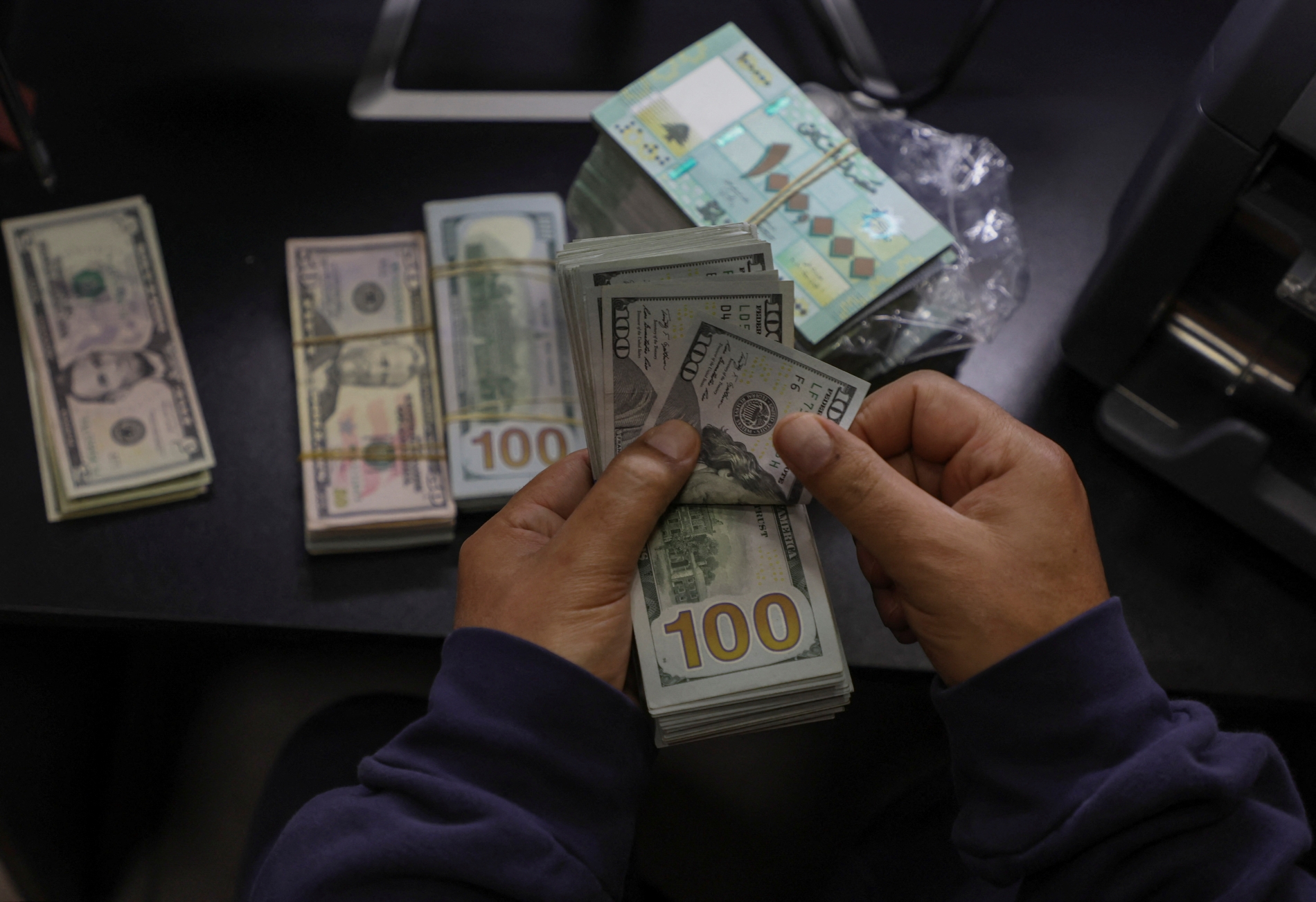
Lebanon may be the clearest Arab example of this phenomenon, but it is far from alone. Across the Arab world, economies exist to varying degrees within the dollar’s orbit. Most Arab Gulf states have pegged their currencies to the dollar for decades, while Kuwait operates a currency basket in which the dollar carries significant weight. Iraq’s oil revenues, denominated in dollars, pass through American accounts before being channelled back into the Iraqi economy through Iraq’s central bank.
Egypt experiences repeated waves of dollar hoarding whenever the Egyptian pound comes under pressure. Syria and Libya, meanwhile, operate multi-currency economies in which local currencies coexist with the dollar and other foreign currencies. This is not merely psychological; many Arab economies are rentier or semi-rentier systems dependent on oil, remittances, tourism, foreign aid, or imports, all of which are deeply tied to the dollar. In such economies, the dollar becomes embedded in the economic structure long before any crisis erupts. During crises, it then becomes a refuge.


