Arabic version: اليمن يواجه نقصًا حادًا في السيولة النقدية على الرغم من جهود استقرار العملة
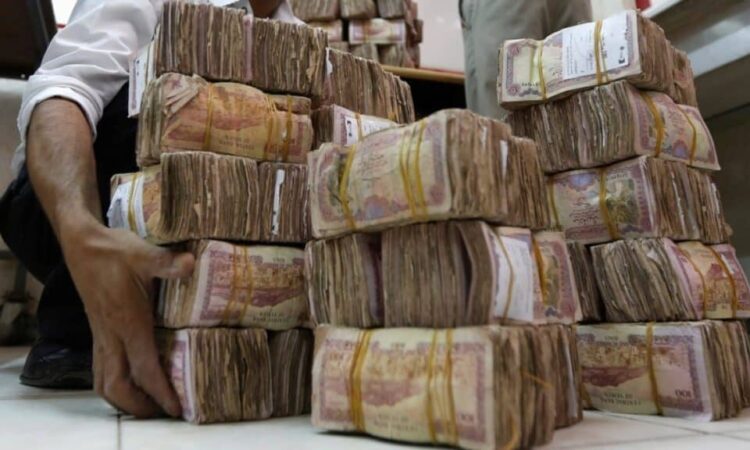
Yemen is grappling with a significant cash shortage, even as the government implements measures to stabilize the Yemeni riyal. According to Al Jazeera, the central bank in Aden has taken steps such as shutting down unauthorized exchange firms and centralizing remittances to combat currency speculation. These actions have successfully halted the riyal’s devaluation, which fell from about 2,900 to 1,500 riyals per US dollar. However, the liquidity crisis has intensified, leading to widespread public frustration.
Residents in government-controlled cities such as Aden, Taiz, Mukalla, and others report unprecedented shortages of Yemeni riyals, with banks and exchange firms limiting currency conversions. Many individuals, especially those holding foreign currencies, are unable to access cash. Mohammed Omer, a grocery shop owner in Mukalla, expressed his struggles to convert foreign currency, stating that he has had to close his shop due to the lack of available cash.
The ongoing conflict in Yemen has contributed to a decade-long economic meltdown, with both the Saudi-backed government and the Iran-aligned Houthis facing severe financial constraints. The central bank acknowledged the cash shortage at a recent board meeting and is pursuing various measures to address the issue while attempting to stabilize the riyal.
Government employees have also voiced their concerns over receiving salaries in low-denomination banknotes, making it difficult to conduct transactions. Munif Ali, a government worker in Lahj, highlighted the challenges of using these low-value notes, as many traders refuse to accept them. The cash shortage particularly impacts those relying on remittances and foreign currency, forcing individuals to seek alternative means to access cash.
As the crisis deepens, Yemenis are adopting various strategies to cope with the liquidity crunch, including delayed payments to shopkeepers and informal exchanges at local businesses. While some well-connected individuals manage to navigate the situation better, many are left struggling to convert their savings or access necessary services, including healthcare. The ongoing cash crisis continues to affect daily life in Yemen, highlighting the urgent need for solutions to restore economic stability.