
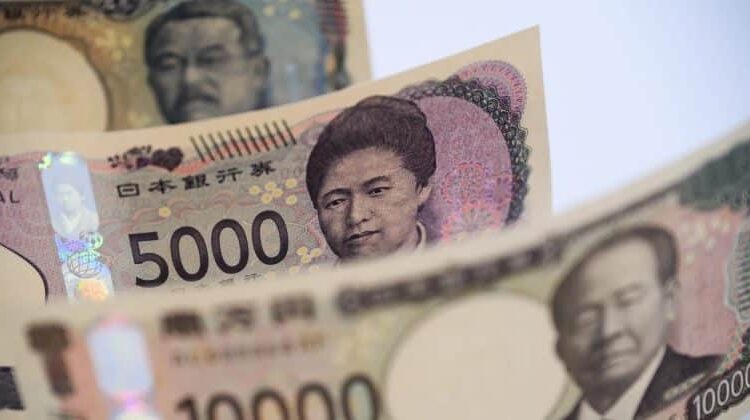
The Japanese yen finds itself in a peculiar position this month: it’s the best performer among G-10 currencies, and yet it’s trading near its weakest level against the dollar in roughly 40 years.
The yen has been hovering around 161.5 JPY per USD in the latter half of June 2026, dangerously close to the 161.96 level that would mark a new multi-decade low. Against the dollar, the yen has managed a gain of approximately 0.1% this month. Against every other major developed-market currency, though, it’s fared slightly better, earning it the unlikely title of G-10 outperformer.
A $73.5 billion intervention with nothing to show for it
The Ministry of Finance conducted a record currency intervention from late April to late May 2026, selling an estimated 11.73 trillion yen, roughly $73.5 billion, to prop up the currency. It worked, briefly. Then the gains were completely erased. Subsequent intervention efforts, believed to total somewhere in the range of JPY 8-9 trillion, have produced similarly underwhelming results.
Finance Minister Satsuki Katayama has been issuing verbal intervention, reaffirming Japan’s readiness to respond to currency fluctuations at any time. She’s also maintained close communication with US Treasury Secretary Scott Bessent.
The interest rate differential that won’t quit
The Bank of Japan’s June 2026 policy meeting reflected continued support for gradual rate hikes, with the central bank targeting a 2% inflation benchmark as its guide for tightening. The BOJ is essentially walking a tightrope between defending the currency and avoiding a fiscal accident at home, as raising rates too aggressively could hurt Japan’s heavily indebted government, which pays more to service its borrowings as rates climb.
What this means for investors
The 161.96 level is the number everyone is watching. A break above that threshold would push the yen to its weakest point since 1986. For foreign investors holding unhedged Japanese assets, the currency decline eats directly into returns. A stock that’s up 10% in yen terms doesn’t help much if the yen has fallen 12% against your home currency.


