
Goldman Sachs sees broad dollar strength as energy shock keeps yields elevated
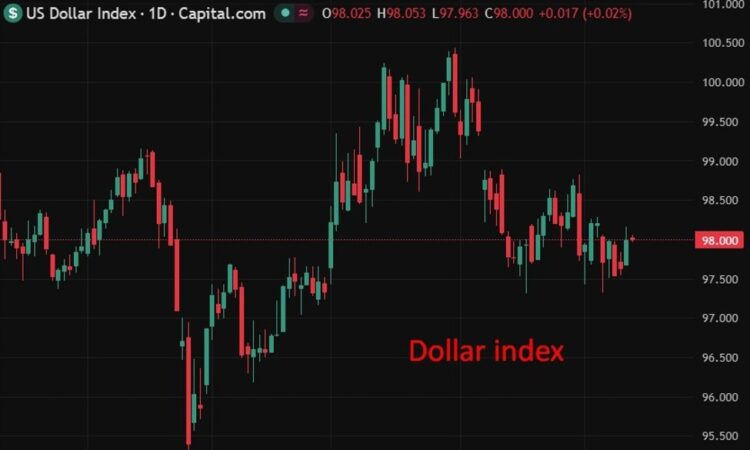
Goldman Sachs says the energy price shock will keep US yields elevated and drive broad dollar strength across G10, with favoured longs against the krona, euro and pound.
Summary:
- Goldman Sachs strategists said the combination of rising inflation and resilient economic growth has already produced higher-for-longer US yields, with any prolonged energy shock set to reinforce broad dollar strength across G10 currencies
- Goldman’s preferred positions include long dollar against the Swedish krona, euro and British pound
- The dollar has drawn support from haven flows since the US and Israeli attack on Iran in late February disrupted energy markets, with the US position as the world’s largest oil producer adding further insulation from the energy shock
- Goldman noted that sustained foreign exchange intervention is difficult to maintain without a corresponding shift in domestic macro policy, and that no such shift appears imminent in Japan, suggesting yen weakness is likely to persist
Goldman Sachs has laid out a bullish case for the US dollar, arguing that the ongoing energy price shock will keep American yields elevated and drive the greenback higher across a broad range of Group of 10 currencies, with the bank identifying the Swedish krona, euro and British pound as its preferred positions to sell against the dollar.
The call, set out by Goldman strategists in a Tuesday note, rests on the intersection of two forces that have come to define the macro landscape since the US and Israeli attack on Iran in late February: persistently high inflation and an economy that has so far proved resilient enough to prevent the Federal Reserve from pivoting toward rate cuts. That combination, Fishman argued, has already driven yields higher for longer than many anticipated, and any further concern about how long the energy shock will last should reinforce relative returns consistent with a terms-of-trade shift in the dollar’s favour.
The dollar has drawn support from two distinct sources since the conflict began. First, haven demand has lifted the greenback as investors sought refuge from geopolitical risk and volatile energy markets. Second, and more structurally, the United States benefits from its position as the world’s largest oil producer, which insulates the domestic economy from the energy shock in ways that leave it relatively better placed than heavily import-dependent peers in Europe and Asia. Elevated oil prices, rather than acting as a headwind for the US economy as they might in prior decades, now feed back into a stronger fiscal and trade position that supports the currency.
The dollar had its sharpest single-session gain of the month yesterday as oil prices extended their advance amid the continued closure of the Strait of Hormuz and no credible sign of a peace deal between Washington and Tehran.
On the yen, Goldman offered a cautious assessment. While the Japanese currency has been among the most visible casualties of dollar strength, and while authorities have intervened in foreign exchange markets on multiple occasions, Fishman noted that sustained intervention is difficult to maintain without a corresponding shift in underlying macroeconomic policy. With no such shift appearing imminent in Tokyo, Goldman’s view implies yen weakness is likely to persist, keeping the broad dollar supported at current levels and potentially higher if the energy shock proves more durable than markets currently price.
—
Goldman’s call for broad dollar strength across G10 currencies, with explicit short recommendations against the krona, euro and pound, adds institutional weight to a dollar bull case that is becoming increasingly consensus as the Iran conflict drags on. For oil markets, a stronger dollar creates a familiar feedback loop: crude priced in dollars becomes more expensive in local currency terms for importing nations, compressing demand at the margin while simultaneously reinforcing the inflationary dynamics that are keeping US yields, and therefore the dollar, elevated. The effective closure of the Strait of Hormuz extending that loop further complicates the outlook for currencies heavily exposed to energy import costs, particularly in Europe. Japanese yen intervention remains a risk but Goldman’s assessment that no imminent shift in Japanese macro policy is forthcoming suggests yen weakness is likely to persist, further supporting the broad dollar index.


