
Former prime minister Gordon Brown has warned the Government to “tread carefully” over further property taxes, arguing that housing in Britain is already taxed heavily.
His intervention comes ahead of next month’s Autumn Budget, with speculation over whether Prime Minister Andy Burnham and Chancellor John Healey could make changes to the way property and wealth are taxed in their search for additional revenue.
Speaking on The Rest Is Money podcast, Brown said: “The funny thing is that property is taxed quite heavily in Britain as part of a wealth tax. So, I think you’ve got to look at a reform of existing taxes.”
He also questioned whether council tax and Stamp Duty Land Tax (SDLT) represented the most effective way of taxing property wealth, arguing that the Government should look at how existing taxes fit together rather than simply adding further levies.
Brown urged caution over wider increases in wealth taxes, too, particularly where individuals are able to move their assets overseas, and argued that any changes need to take account of the existing balance between taxes on income, property and capital gains.
His warning comes after the Labour government has already increased the tax burden on property, with higher taxes on rental income and a new surcharge on homes worth more than £2 million.
Rumoured tax changes
In the run-up to the Budget, there has been a great deal of speculation in the press over what further changes the government might make to property taxes.
Burnham has regularly highlighted disparities in council tax bills between different parts of the country, arguing that some households in places such as Manchester pay more than owners of substantially more valuable homes in London.
In addition, according to The Telegraph, he has taken an interest in independent campaign group Fairer Share’s proposal to replace council tax and SDLT with an annual tax of 0.48% of a property’s total value.
Burnham, though, has now ruled out replacing council tax and has said there will be no changes to SDLT in the upcoming Budget.
Capital gains tax the most likely
A more likely candidate is an increase in Capital Gains Tax (CGT), with rates brought into line with income tax.
Gains from the sale of residential investment property are currently taxed at 18% for those in the basic-rate band and 24% above it, with a £3,000 annual tax-free allowance.
Bringing CGT closer to income tax rates could substantially increase the tax bill for higher-rate taxpayers when they dispose of investment properties.
It could also have an impact on when landlords choose to sell. Some are likely to bring forward the sales of their properties ahead of any increase, and others will decide to hold on for longer, in the hope of a change of government or policy.
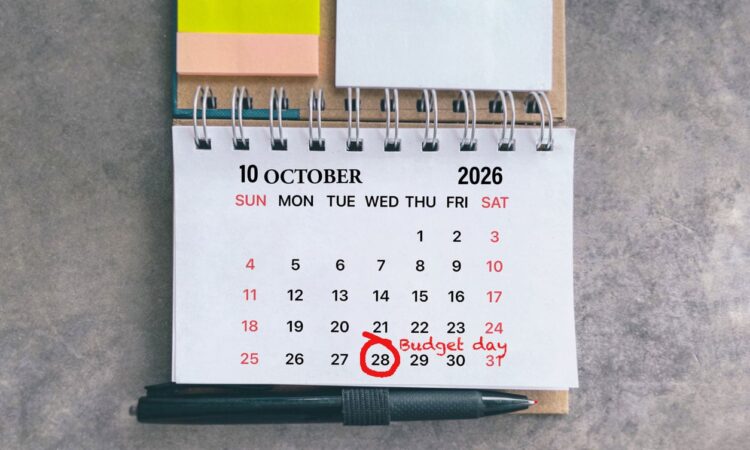
It will, however, only become clear what Burnham’s plans are for the property sector when he unveils his Budget on 28 October.


