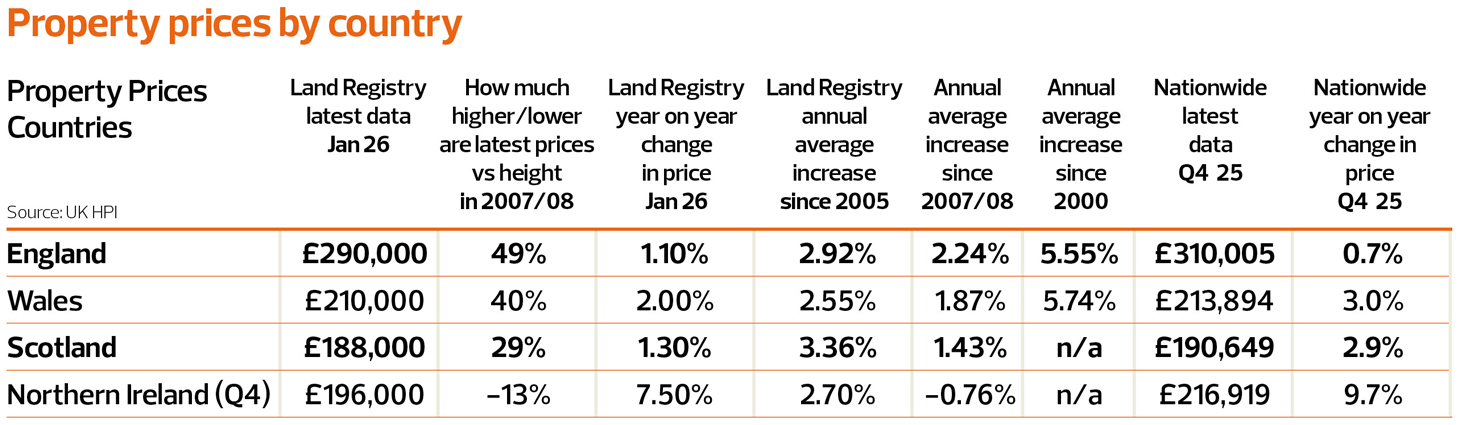
 Country wise, we are seeing a big difference in average property prices, with Scotland being by far the cheapest.
England averages £290,000, which is 53% higher than Scotland and 38% higher than Wales, so it’s worth us looking further into how much First Time Buyer activity has fallen by country, as it’s clear that property prices since 2005 in these countries, and especially since the credit crunch of 2007/8, haven’t kept up with inflation.
With such lower costs of housing outside of England, I think we should be asking the question why Scotland, Wales and N.Ireland are seeing falls in FTBs too. I’m a firm believer that there are more reasons for FTBs not buying than just price and deposit levels!
Country market performance according to the Indices
Home
“Scotland and Wales have fared by far the best over the last five years. However, these property markets have cooled significantly of late and price growth has plummeted to sub-inflation levels.
“The key driver for the formerly stellar growth was buy-to-let investing, attracted by better rental yields. While to some extent this situation still exists, yields are declining along with rents. Moreover, the Renters’ Rights legislation, which comes into effect on 1st May, and higher mortgage interest rates are deterring further investment.”
Halifax
“Northern Ireland continues to lead the UK, with average prices up +6.3% over the past year to £218,608. Scotland also recorded strong growth, rising +4.7% annually to an average price of £222,286. Elsewhere, Wales saw a more modest increase of +2.4% on annual basis, taking the typical home value to £231,63.”
Zoopla
“Annual house price growth is higher than a year ago in 4 areas: the North West, Scotland, the North East and Northern Ireland. These markets are more affordable and have fewer homes for sale than a year ago, limiting buyer choice. This is supporting above-average house price increases.”
For specific analysis of the Scottish, Welsh and Norther Ireland market, we typically get data from various indices on a quarterly basis, below is the latest information from the Registers of Scotland which is their equivalent of the Land Registry.
Scotland Analysis
The latest HPI for Scotland shows the average price of a property in Scotland in January 2026 was £188,000, an increase of 1.3% when compared to January 2025.
Compared to the previous month, property prices in Scotland decreased by 0.3% on a non-seasonally adjusted basis, whilst on a seasonally adjusted basis there was a decrease of 1.2%.
The UK average house price was £268,000 which was an annual increase of 1.3% on January 2025. Compared with the previous month, UK house prices decreased by 0.3% on a non-seasonally adjusted basis and showed no change on a seasonally adjusted basis.
The volume of residential sales in Scotland in November 2025 was 9,058. When compared with the first published figures for November 2024 this was an annual decrease of 3.7%. Published transactions for recent months will increase as later registered transactions are incorporated into the index.
Commenting on the house price figures in Scotland, a Registers of Scotland spokesperson said: “There was an increase of 1.3% (to £188,000) in the average house price for Scotland in the 12 months to January 2026. The same percentage increase was seen in average house prices for the UK as a whole (up 1.3% to £268,000).”
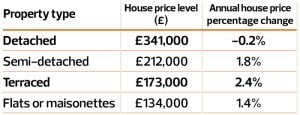
The table below provides Scotland house prices and annual changes by property type.
Average prices for Local Authorities are based on a 3-month moving average to help remove some of the volatility in the series.
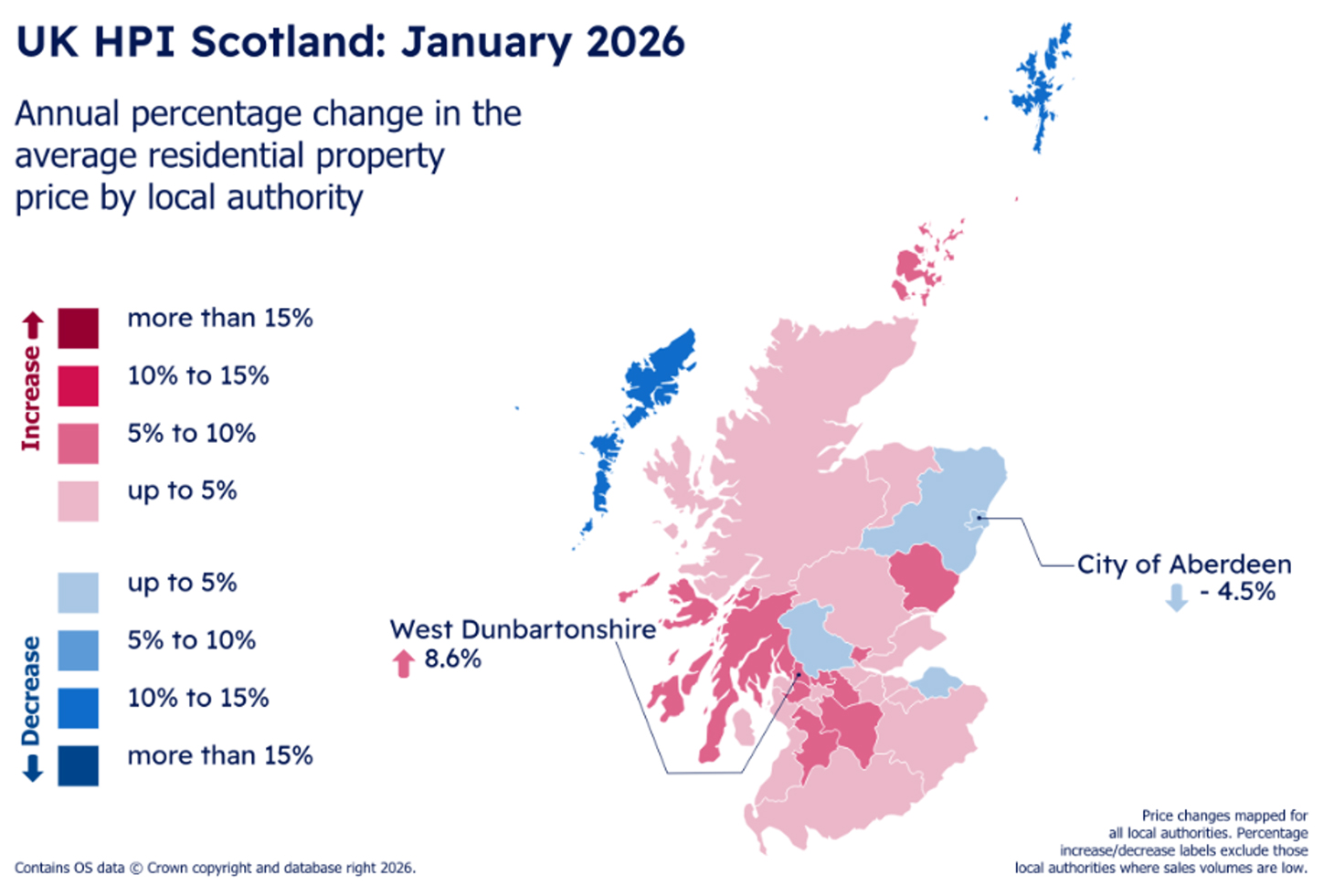
Increases were recorded in 26 out of 32 local authority areas, when comparing prices with the previous year.
The largest increase was in West Dunbartonshire where the average price increased by 8.6% to £130,000 while the largest decrease was recorded in City of Aberdeen, where the average price decreased by 4.5% to £133,000.
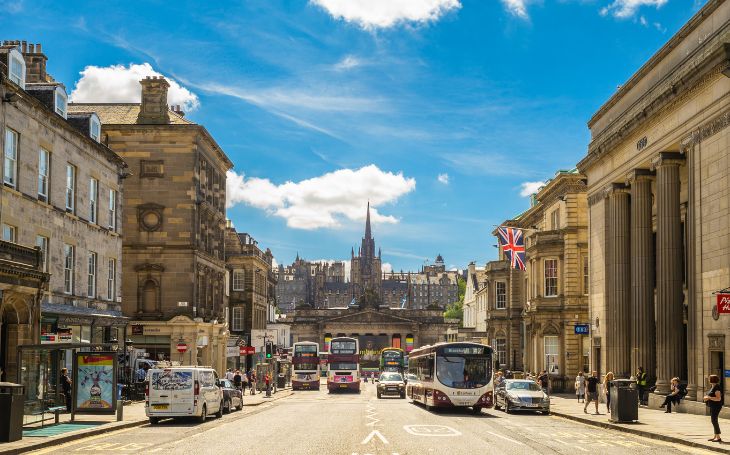
In January 2026, the highest-priced area to purchase a property was City of Edinburgh, where the average price was £294,000. In contrast, the lowest-priced area to purchase a property was Inverclyde, where the average price was £115,000.
Orkney Islands, Na h-Eileanan Siar and Shetland Islands are not considered when highlighting which local authorities have experienced the highest/lowest increase, due to the very low numbers of sales transactions in these local authorities which can lead to volatility in the series.