
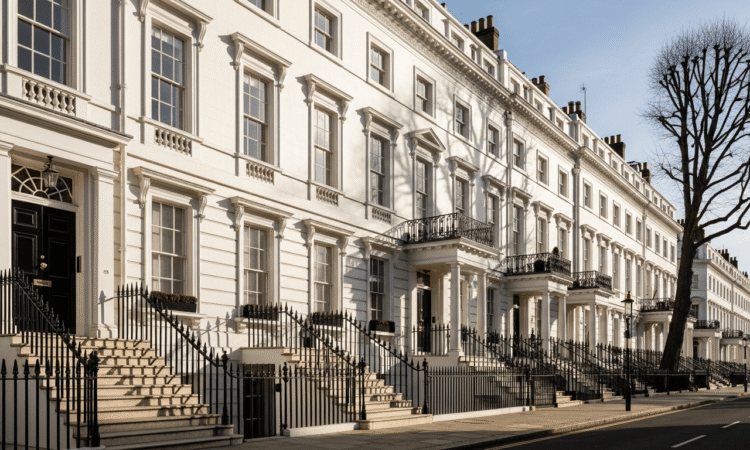
London, UK — Concerns are mounting across the United Kingdom as the government considers lowering the valuation threshold for its luxury property tax, potentially sweeping tens of thousands of additional high-value homes into higher tax brackets. Exchequer Secretary John Healey indicated ongoing reforms to local council tax frameworks targeting premium residences, with formal announcements expected in the upcoming October 28 budget. Furthermore, lowering the qualification bar from £2 million to £1.5 million threatens to significantly alter the dynamics of the prime real estate market.
Tax Structure and Revenue Projections
Lowering the threshold is estimated to bring between 70,000 and 100,000 additional homes under the levy, where annual charges currently range from £2,500 to £7,500 alongside standard council taxes. In addition, the Treasury projects annual revenues of £400 million, with over half generated from four prime London boroughs: Kensington and Chelsea, Richmond, Wandsworth, and Westminster. Consequently, the Valuation Office Agency is reassessing top-tier residential properties ahead of the scheduled April 2028 implementation.
Industry Warnings and Market Impact
Meanwhile, real estate analysts, including Tom Bill of Knight Frank, warn that heavier tax burdens could cool the luxury market by squeezing buyer borrowing power and depressing property values. As a result, industry experts caution that aggressive property taxation risks diminishing the UK’s appeal to high-net-worth investors, potentially driving capital to rival international markets and undermining anticipated tax gains.
Ultimately, expanding the mansion tax highlights the UK government’s effort to bolster public finances through high-value assets. In conclusion, the proposed fiscal changes leave London’s prime property sector navigating heightened policy uncertainty ahead of upcoming budgetary decisions.


